 Blogging Heros
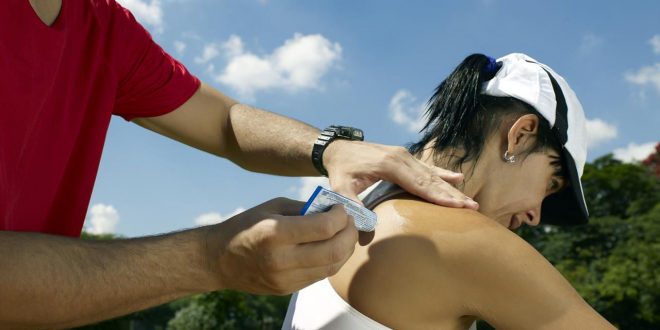
There is nothing more frustrating than suffering an injury during training or competition that prevents you from participating in sport. Whether it is a minor or a major injury, every day that you have to rest is a day less doing what you love. However, letting that frustration get to you and rushing your recovery is a dangerous game. You could end up injuring yourself again, and perhaps even more severely. Before you set yourself unrealistic targets or try to force your body into situations it is not ready for, here are five steps to recovery after a sports injury.
- Get checked over by your doctor and/or physio
You might believe that you are recovered, but before you start exercising again, you need to have it confirmed by a professional. Consult with your doctor and/or physiotherapist at Enhanced Physio to get their opinion. They will also have advice to help your return to exercise to be as successful as possible.
- Spend some time reflecting on your injury
When you have made a plan to get back into exercise (with your doctor and/or physiotherapist), you should take some time to reflect before you begin. How did you injure yourself? Can you do anything to prevent it from happening again? You might have been pushing yourself too hard, wearing incorrect clothing or footwear, ignored the rules of the activity, or, of course, it could have been a completely random accident. When you have pinpointed what went ‘wrong’ or what you can do to minimize the risk of injury in the future, you can focus on a more positive return.
- Ease yourself back in
Always remember to warm up before your workout and cool down at the end. This will prevent the likelihood of an injury. You might have been running at least five miles each day or hitting the gym every morning before work,butjumping straight back into your previous routine could lead to further injury if you are not cautious. Aim to resume at around half of your normal routine and gradually increase it each week until you are confident that your injury has fully healed. If you notice that your injury is starting to flare up again, reduce your exercise down again for a week or so.
- Try a different type of exercise
While it might seem an obvious statement, there is more than one way to exercise. Try some new forms of exercise that do not involve the injured body part so that it can heal while you retain – or possibly improve – your fitness. Strengthening other parts of your body may also prevent you from becoming injured in the future. For example, if you hurt your ankle or knee, you could try swimming. If you hurt your arm or shoulder, try hiking.
- Learn to recognize warning signs
While some level of discomfort is a natural part of physical exertion, it should never be painful. If you start to exercise and you notice that your injury is hurting you during your workout, ease off. Ideally, the discomfort should disappear after you stop exercising. If the pain is still hanging around hours or days after the exercise has finished, you need to rest for at least a few days before you exercise again.


