Blogging Heros
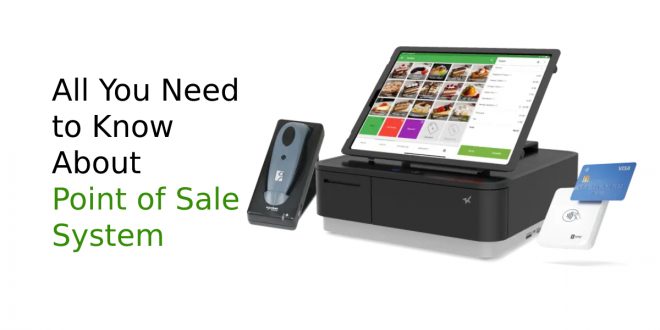
A Point of Sale System is epitomized in retail stores extending the card swipe machine in tune with the evolving plastic money trend instead of cash. The point of sale machine you see while paying is only the visible element in the system. It finalizes the purchase transaction while checking out in double-quick time. However, the point of sale system goes far beyond functionalities using the captured data for the management information systems to run and expand the business. Moreover, real-time reports about sales and inventory help make profit-oriented business decisions.
What is the POS system?
The point of sale system’s frontend is where you transact after picking a product for buying. On the other hand, the backend analyzes the captured information for the management information system to harness benefits. The EDC machine, full form being electronic data capture, is the fulcrum around which the system revolves.
Types of POS systems:
Your oblivious purchase transaction at the POS terminal triggers a retail matrix that impacts multiple factors while your shopping experience is seamless. Let us now take a look at the various POS system terminals in use:
- GPRS/ PSTM POS: The oldest POS system is a wired device interfaced with the telephone line. However, GPRS SIM cards make it affordable despite its bulk.
- MPOS: The mobile POS is a sleek wireless device where mobility is unrestricted and carried anywhere.
- Android POS: A touch screen pos machineusing Android OS is designed to provide a seamless payment experience.
- EPOS: The virtual POS is an innovative payment device that converts a Smartphone into an electronic POS through a dedicated App.
Salient POS system features:
The business scenario needs a matching POS setup, whether the brick-and-mortar store or the e-commerce marketplace. The components in the setup are a computer, card reader, barcode scanner, printer, cash drawer, and POS software. So, let us explore what transpires in the system to help the business prosper.
- Ample Product Choice: Your choice is eclectic, especially when exploring an online store. On the other hand, the neighborhood retail store has the inventory all digitally sorted out for sale.
- Cloud Computing: POS technology keeps pace with business complexities, and the cloud-based facility is ideal in the modern digital age. Your POS system’s efficacy in data integrity and troubleshooting for glitches in the system is best handled remotely.
- Tailored to every Business: Business ventures are unique despite similarities. Accordingly, the system’s design covers every industry to run reliable business models while prospering from what the EDC machine full form symbolizes.
How does a POS system work?
Emerging technologies are absorbed to deliver POS systems in various shapes and sizes. Hence, they accept every payment form imaginable.
- Cash and Cheque
- Credit, Debit, prepaid cards in the magnetic stripe, and embedded chips variety.
- Contactless payments using mobile wallets, UPI (United Payments Interface), and QR (Quick Response) Code.
POS terminals are designed to accept these payments in primarily three ways.
- Swipe for magnetic stripe cards.
- Insert EMV (Europay, Master, Visa) chip card staying-put in the POS machine through the transaction.
- Tap the EMV chip card using NFC (Near Field Communication), making it virtually contactless.
The collected information flows through the secure networked gateways in an encrypted format to complete the transaction quickly, after a two-step authentication.
Factors for POS System Design:
The POS system is a powerful tool to run a business digitally. Thus, it entails considering speed and data integrity factors for optimal use of the information. Therefore, your POS system developer must resonate with your specific business demands besides others.
- Operational Hierarchy: A well-defined hierarchy ensures data integrity, with the admin monitoring every aspect of product movement.
- Password Protection: Access to the system through unique passwords restricts the scope for manipulation to the business’s detriment.
- Data Security: Business growth depends on how the collected information is used for devising suitable strategies. Data storage security, whether on-site or in the cloud, is paramount. If the captured data is stored in the cloud rather than the on-site system, your efficiency is further boosted.
Conclusion:
Technology advances have made POS systems brighter than ever, providing customized payment solutions. The modern POS system saves time while delivering accurate outcomes for a seamless customer experience. Moreover, the stored data is secured from the marauders deploying various authentication measures to optimize business strategies. The ancillary and peripheral services value-add to the digital POS systems. They help in the overall business growth as they become robust to access data and insights.