Blogging Heros
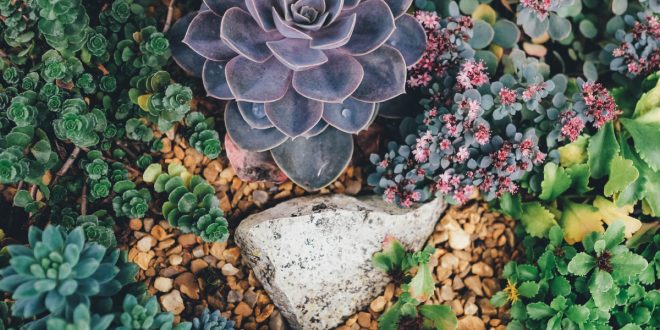
A typical garden weed can grow from one to three inches every 24 hours. These unwanted plants can compromise the aesthetics of your garden. It can compete with your cherished flowers for vital nutrients, water, and sunlight.
Recognizing the best weed killer for flower beds can help your plants reach their full potential. It can preserve the health and vibrancy of your garden, saving you time and effort in the long run. Keep reading to learn more about making this essential garden decision.
Chemical vs. Natural Weed Killers
Chemical weed killers are often seen as the go-to solution when you want rapid weed control. They provide results in a short time frame. They are also harmful to some plants and beneficial insects.
Natural weed killers are environmentally friendly and safer for your plants and pets. They may take longer to show results. It’s a perfect choice for those maintaining lawns and plants with a holistic approach.
Pre-emergent vs. Post-emergent
Apply pre-emergent weed killers to prevent germination. This method controls annual weeds in the flower beds.
Post-emergent weed killers act on adult weeds, attacking them post-germination. They’re ideal for perennial weeds or those already sprung up in your garden. Knowing the life cycle of the weeds in your flower beds can help determine which to use.
Spot Treatment for Weed Control
Spot treatment is a lifesaver for those looking to get rid of weeds in specific areas. The strategy is not to affect the surrounding plants. This method involves applying the weed killer to the weed.
It ensures minimal damage to nearby plants. It’s perfect for flower bed care, where precision is essential.
Mulching Against Weeds in Flower Beds
Mulching is a natural method of weed control. It covers the soil with a layer of organic or inorganic material. You can prevent sunlight from reaching the weeds, thereby inhibiting their growth.
This method serves two functions. It suppresses weeds in the flower beds as well as retaining soil moisture. The result helps enhance plant fertility.
Safe Practices for Plants and Pets
You must follow label instructions while using weed killers, especially chemical ones. Over-application can harm your plants and may be toxic to pets and beneficial insects. Always store weed killers out of children’s reach and wash hands afterward.
Biological Control and Manual Removal
For those not keen on using chemical weed killers, there are alternatives. Biological control uses natural predators like insects or animals to control weeds. For instance, certain beetles feed on specific weeds, leading to natural weed control.
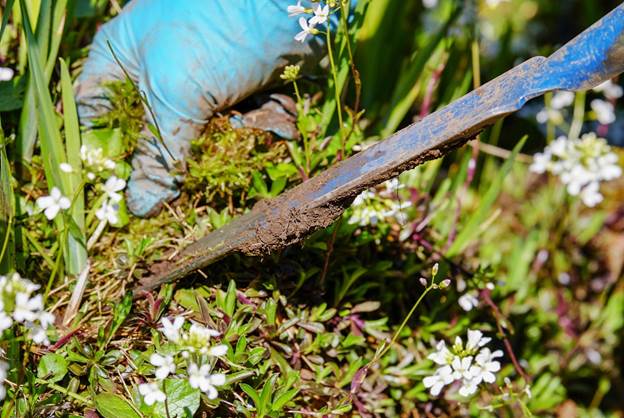
Manual removal, although labor-intensive, is another surefire way to get rid of weeds. Regular garden inspection and uprooting weeds ensure that your flower beds remain pristine.
More on Best Weed Killer for Flower Beds
The quest for the best weed killer for flower beds is a journey that every avid gardener undertakes. Choosing the right product ensures a garden free from invasive weeds. It promotes the healthy growth of the plants, which sets the stage for your flowers to bloom.
As you journey towards a weed-free garden, remember that every flower bed has unique needs. Dive deeper into the nuances of garden care. Check out our lifestyle blog to discover more insights and tips.