 Blogging Heros

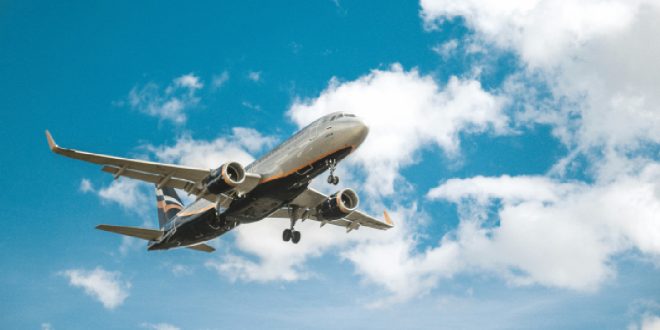
On a long-haul international crossing, the last thing travelers want to hear is a diversion announcement. That’s exactly what happened when Delta Air Lines flight DL275 — operating a transpacific service from Detroit (DTW) to Tokyo Haneda (HND) — turned back and landed at Los Angeles International Airport (LAX). In this post I’ll walk through the timeline, the technical reason reported by aviation trackers and industry outlets, what passengers experienced, how airlines manage diversions, and what this incident means for safety and operations.
Quick Summary Delta Flight DL275 Diverted to LAX (the headline facts)
- Flight: Delta Air Lines DL275, scheduled DTW → HND (Tokyo Haneda).
- Aircraft: Airbus A350-900 (registration reported as N508DN).
- What happened: Crew detected a problem with an engine anti-ice system (reported by maintenance/aircraft-tracking sites and industry outlets). The aircraft diverted to LAX instead of continuing across the North Pacific.
- Landing: Safely landed at LAX (reports indicate runway 06R) with no injuries reported; passengers later rebooked on alternative services.
Delta Flight DL275 Diverted to LAX Timeline: when and how the diversion unfolded
DL275 departed Detroit for a scheduled transpacific run to Tokyo. Several hours into the flight — while cruising over remote regions of the North Pacific/Bering Sea — the flight crew reported a system anomaly that triggered an operational decision to divert. Rather than continue toward an overwater oceanic crossing with the unresolved issue, the flight turned toward Los Angeles and landed at LAX several hours after the decision to divert. Flight tracking and investigation sites recorded the turn and the arrival at LAX.
Different outlets give slightly different timestamps depending on their tracking feed, but the consistent picture is: a mid-flight system problem was detected, the crew elected to divert to the nearest suitable major airport for inspection and, crucially, for passenger safety. Simple Flying and multiple tracker sites covered the diversion as a significant operational event because it involved an A350 operating a long-haul schedule.
Reported cause: anti-ice system failure on a Rolls-Royce XWB engine
Multiple technical trackers and aviation safety sites point to an issue with an engine anti-ice system — specifically on a Rolls-Royce Trent XWB engine that powers many A350s. The anti-ice system is critical during certain atmospheric conditions (icing or potential icing environments). If one engine’s anti-ice system malfunctions, pilots must evaluate whether it’s safe to proceed, especially on long overwater legs where alternative landing options are limited and weather conditions may complicate matters. Aviation safety logs reported the anti-ice fault as the most likely trigger for the diversion.
To be clear: an anti-ice system failure is not the same as an engine failure. Anti-ice systems prevent ice buildup on engine components or inlets; a malfunction can reduce the crew’s confidence in continuing in icing conditions or over long stretches with limited diversion airports. In such cases the conservative, safety-first choice is to divert to an airport where maintenance teams can inspect and troubleshoot the problem on the ground.
Why LAX?
When crews decide to divert, they consider multiple factors: nearest suitable diversion airport, weather at alternate fields, availability of maintenance and logistics, and passenger consequences (connections, ground handling, hotels). LAX is a major Delta hub with full maintenance capabilities, ground support and passenger re-accommodation resources — making it a logical choice for a long-haul flight needing significant technical attention. Reports and passenger accounts noted the diversion to LAX likely reflected the airline’s preference to land at a hub that could handle an A350 and provide quick technical access and onward options for passengers.
The aircraft and registration — what trackers recorded
Flight tracking and aviation incident sites identify the aircraft as an Airbus A350-900. Several trackers also logged the aircraft registration (reported as N508DN in field reports), which helps investigators and operators correlate maintenance history and component records when diagnosing in-flight anomalies. FlightAware and other live-tracking services captured the flight path showing the turn back and prolonged cruise to LAX before landing.
What passengers reported
Passenger accounts shared on social media and community boards described a calm, professional crew and a predictable pattern: the captain made a transparent announcement that a system problem required diversion, there was no panic, and cabin crew prepared passengers for an unscheduled landing. Passengers reported delays and subsequent scrambling for connections to Tokyo — a common knock-on effect of late diversions on long multileg itineraries. Most posts emphasized relief that the crew prioritized safety and that there were no injuries.
Airlines typically provide re-routing, accommodation help for overnight delays, and meal vouchers depending on timing and the airline’s policies. Delta’s ground teams and customer service staff would have been tasked with rebooking affected passengers and coordinating maintenance and aircraft checks. Some outlets noted that Delta arranged alternate transportation and lodging as needed.
Safety first: why diversions like this are not necessarily a sign of disaster
It’s important to stress that diversions are often a demonstration of safety protocols working correctly. Aircraft systems are complex and highly monitored; when a parameter looks off, crews follow checklists and standard operating procedures that prioritize passenger safety over schedule adherence. The fact that DL275 landed safely at a major airport and that airline and third-party trackers reported no injuries is evidence the system worked as intended. Investigative outlets framed the event as an operational precaution rather than a catastrophic failure.
A diversion decision accounts for the unknowns of continuing an operation across remote airspace. Over the North Pacific there are long distances between suitable diversion airports; crews must weigh risks conservatively. In that context, diverting to Tucson, Anchorage or the nearest suitable field isn’t always ideal: a hub like LAX offers the best combination of maintenance capabilities and passenger support.
Operational and financial ripple effects
Beyond the immediate safety and passenger considerations, diversions incur operational costs: repositioning aircraft, crew duty-time implications, potential delays to subsequent flights, and sometimes maintenance orders that ground an aircraft for parts replacement or inspection. Some aviation analysts estimated that incidents requiring unscheduled inspections or parts changeouts can cost airlines hundreds of thousands to millions of dollars depending on the severity and the parts involved. Outlets covering the DL275 case discussed the financial impact in broad terms while noting the priority remains resolving the technical issue.
What this means for future flights and passengers
For passengers: expect airlines to re-route and rebook affected travelers; if you were on DL275 you should monitor Delta’s official communications and your booking record for updates. If you have connecting flights in Tokyo, contact Delta as soon as possible — many carriers waive change fees in system disruptions like this.
For the industry: incidents like this can trigger component inspections, fleet-wide bulletin checks (if the issue is traced to a common part), and discussion between airlines and engine manufacturers. If an anti-ice system component shows wear or a design sensitivity, the engine manufacturer (Rolls-Royce in this case) and Delta maintenance teams may issue service bulletins or temporary operational constraints until a root cause is found.
For safety regulators: authorities sometimes get involved if an in-flight problem suggests a systemic risk. Aviation safety agencies will review reports and data to determine whether formal advisories or directives are required. That process can take days to weeks depending on findings.
What we still don’t know (and what to watch for)
While multiple aviation trackers and industry media reported an anti-ice system fault and documented the diversion, a formal confirmation from Delta or Rolls-Royce — including an official preliminary cause and any recommended actions — is typically slower to appear publicly. Airlines often wait for maintenance inspections and fault-log downloads before issuing detailed statements. Watch for:
- An official Delta statement or bulletin explaining the cause and passenger handling steps.
- Any service bulletins or technical advisories from Rolls-Royce (if the issue is confirmed on the XWB engine family).
- Updates to flight records or future schedule adjustments if the aircraft goes out of service for repairs.
Practical tips if you’re affected by a diversion
If you find yourself on a diverted flight, here are practical steps:
- Keep receipts for expenses (food, accommodation, transport) — airlines sometimes reimburse under their policies or via travel insurance.
- Contact your carrier’s desk or use the airline app for rebooking options. Many carriers proactively rebook but you should confirm.
- If you have connections, alert connecting carriers — sometimes they can prioritize rebooking.
- If you booked a separate onward ticket (not tied to your original itinerary), be aware separate tickets complicate rebooking — travel insurance helps here.
- Document the experience (photos of boarding passes, announcements) if you need to file a claim.
These practical steps apply whether the cause is technical, weather, or medical — they help speed up recovery and reimbursement.
The aviation perspective: training, checklists, and redundancy
Pilots and airline operations rely on exhaustive checklists and redundancy. Anti-ice systems, engines, avionics and other critical systems are designed with multiple redundancies and go through continuous monitoring. When something falls outside a safe margin, the crew will consult manuals and dispatch teams. Diversions act as built-in safeguards that give technicians a chance to inspect systems under controlled ground conditions — much safer than continuing into remote airspace. Aviation analysts covering DL275 emphasized this point repeatedly after the landing at LAX.
Final thoughts
Delta Flight DL275 Diverted LAX is a reminder of how complex, well-regulated, and safety-oriented modern air travel is. The available public reports indicate an engine anti-ice system anomaly on an Airbus A350 that led Delta’s crew to divert to LAX — a hub that could receive the aircraft and provide full maintenance and passenger support. The flight landed safely and there were no injuries reported. Aviation trackers and outlets are continuing to follow the story for official statements and any follow-up maintenance action.
If you’re searching specifically because you or someone you know was on the flight, check Delta’s official customer communications and your booking emails for rebooking or compensation details. For aviation enthusiasts, the incident will likely be logged and analyzed in maintenance records — and any fleet-wide recommendations will be published by the airline or manufacturer if required.


