Blogging Heros
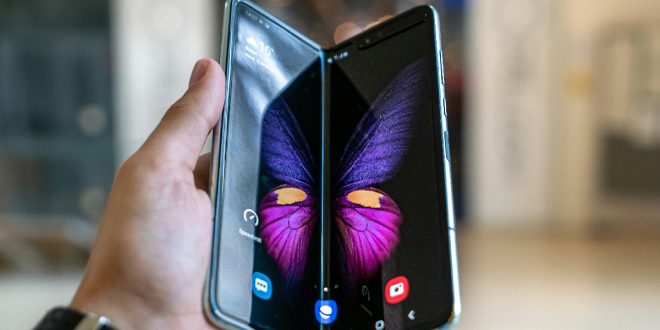
Smartphones have evolved rapidly over the past decade, from simple calling devices to powerful pocket-sized computers. Today, users demand more screen space, better multitasking, and improved portability—all in one device. To meet these expectations, manufacturers introduced foldable phones, a new innovation that combines the portability of a smartphone with the larger display of a tablet.
Foldable phones are designed with flexible screens that can bend or fold without breaking. This technology has attracted huge attention from tech companies and consumers alike. But the big question remains: are foldable phones just a premium trend, or are they truly the future of mobile technology?
In this blog, we will explore how foldable phones work, their advantages and limitations, and whether they have the potential to replace traditional smartphones in the future.
What Are Foldable Phones?
Foldable phones are smartphones that use flexible display technology, allowing the device to fold like a book or a flip phone while maintaining a full-screen experience when opened.
Unlike traditional smartphones with rigid glass screens, foldable devices use ultra-thin flexible glass or polymer-based displays. These materials allow the screen to bend without breaking.
Most foldable phones come in two main styles:
- Book-style foldables (open like a tablet)
- Clamshell-style foldables (flip open vertically)
These designs aim to provide a larger display in a compact form factor.
How Do Foldable Phones Work?
Foldable phones rely on advanced engineering and display technology to function smoothly. The core innovation is the flexible OLED display, which can bend without losing image quality.
Inside the device, a special hinge mechanism allows the phone to open and close repeatedly. This hinge is designed to support thousands of folds without damage.
Key components include:
- Flexible OLED or AMOLED display
- Ultra-thin glass layer for protection
- Multi-gear hinge system
- Reinforced internal frame
- Advanced cooling system
These components work together to ensure durability and smooth performance.
Why Foldable Phones Are Becoming Popular
Foldable phones are gaining attention because they offer a completely new smartphone experience. Users are looking for devices that go beyond traditional designs, and foldables provide that innovation.
One major reason for their popularity is multitasking. Users can run multiple apps side by side on a larger screen, making productivity much easier.
Another reason is portability. Instead of carrying a tablet and a phone separately, users can have both in one device.
The futuristic design also appeals to tech enthusiasts who want the latest innovations in their hands.
Advantages of Foldable Phones
Foldable phones offer several benefits that make them attractive to users.
They provide a larger screen experience without increasing device size. When unfolded, users can enjoy tablet-like visuals, which are great for watching videos, gaming, and productivity tasks.
They also improve multitasking. Users can open multiple apps at once, making work and communication more efficient.
Another advantage is portability. Foldable phones easily fit into pockets when closed, unlike tablets.
Other benefits include:
- Enhanced viewing experience
- Better productivity features
- Innovative and premium design
- Improved multitasking capabilities
- Future-ready technology
Limitations of Foldable Phones
Despite their innovation, foldable phones also come with some drawbacks.
One major issue is durability. Flexible screens are more delicate compared to traditional glass displays, making them prone to damage if not handled carefully.
Another challenge is high cost. Foldable phones are significantly more expensive than regular smartphones, making them less accessible to the average user.
Battery life can also be a concern, as larger displays consume more power.
Other limitations include:
- Higher repair costs
- Visible screen crease in some models
- Limited app optimization
- Heavier and bulkier design
These issues currently limit their widespread adoption.
Comparison: Foldable Phones vs Traditional Smartphones
| Feature | Foldable Phones | Traditional Smartphones |
|---|---|---|
| Display Size | Large expandable screen | Fixed screen size |
| Portability | High when folded | Very high |
| Durability | Moderate | High |
| Price | Expensive | Affordable options available |
| Multitasking | Advanced | Limited |
This comparison shows that foldable phones offer innovation, but traditional smartphones still dominate in practicality and affordability.
Real-World Use Cases of Foldable Phones
Foldable phones are not just about design—they also offer practical use in real-life situations.
Business professionals use them for multitasking, attending meetings, and editing documents on the go. The large screen helps improve productivity.
Content creators use foldable phones for video editing, content previewing, and social media management.
Gamers enjoy a more immersive experience due to the larger display.
Common use cases include:
- Business productivity
- Video streaming and entertainment
- Mobile gaming
- Content creation
- Online learning and reading
Are Foldable Phones the Future of Mobile Technology?
Foldable phones represent a major step forward in smartphone innovation, but whether they will fully replace traditional phones is still uncertain.
On one hand, the technology is improving quickly. Screens are becoming more durable, and prices are gradually decreasing. This suggests that foldables could become more mainstream in the future.
On the other hand, traditional smartphones are still more affordable, durable, and widely accepted. Most users prefer simplicity and reliability over advanced features.
The most likely future scenario is a hybrid market, where both foldable and traditional smartphones coexist, serving different user needs.
Challenges in the Adoption of Foldable Phones
Several challenges still slow down the mass adoption of foldable devices.
Manufacturing complex foldable screens is expensive, which increases the final product price. Additionally, software optimization is still evolving, and not all apps are designed to work seamlessly on foldable displays.
Durability concerns also remain, as users worry about screen damage and hinge performance over time.
Other challenges include:
- Limited availability in some markets
- High repair costs
- Uncertain long-term reliability
- Battery optimization issues
These factors make users hesitant to switch completely from traditional smartphones.
Future of Foldable Phones
The future of foldable phones looks promising as technology continues to improve. Companies are investing heavily in research and development to make foldable devices more durable, affordable, and efficient.
Future advancements may include:
- Stronger and more flexible display materials
- Improved hinge technology
- Better battery efficiency
- Lower manufacturing costs
- Wider app optimization for foldable screens
As these improvements take place, foldable phones may become more common and accessible to everyday users.
FAQs
Are foldable phones durable?
Foldable phones are improving in durability, but they are still more delicate than traditional smartphones due to their flexible screens.
Why are foldable phones so expensive?
They use advanced display technology, complex hinge systems, and premium materials, which increase production costs.
Can foldable phones replace tablets?
In many cases, yes. Foldable phones can function like tablets when unfolded, offering similar screen sizes and usability.
Do foldable phones have good battery life?
Battery life varies by model, but larger screens generally consume more power, which can reduce usage time.
Conclusion
Foldable phones represent one of the most exciting innovations in mobile technology. They offer a unique combination of portability and large-screen functionality, making them ideal for multitasking, entertainment, and productivity.
However, despite their advantages, they still face challenges such as high cost, durability concerns, and limited software optimization. Traditional smartphones continue to dominate the market due to their affordability and reliability.
While foldable phones may not completely replace traditional devices yet, they are clearly shaping the future of smartphone design. As technology improves, they are likely to become more common and may eventually redefine how we interact with mobile devices.