


Table of Contents
Heat-related illnesses affect thousands of people in the US, especially workers, each year. That’s on top of the many others who become sick due to cold weather.
Fortunately, using a heating and air conditioning system can help prevent such problems. For instance, the CDC recommends staying in an air-conditioned space during extreme heat. Then, during winter, a heater can help keep the indoor temperature at 68°F to 70°F to protect occupants from the cold.
However, HVAC systems can only help if they’re in good working condition. That’s why it’s vital to maintain yours, as the last thing you want is to have a dangerously hot or cold home.
To that end, we created this comprehensive guide on HVAC maintenance and repairs. Read on to learn how to take care of your heater and AC so that they can also do their job in keeping you safe and comfy.
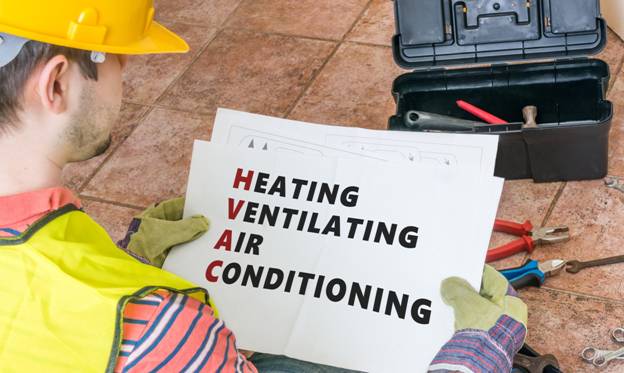
1. Wear Proper Safety Gear
Over 30,000 nonfatal shock incidents occur in the US each year. While nonfatal, many are severe enough to require emergency care. Some even land patients in hospital burn units.
That’s why it’s imperative to wear proper protective equipment before performing HVAC maintenance. The least you should don are safety goggles, a face shield, electrical gloves, and rubber boots. By wearing those, you can safeguard yourself from electrical or mechanical injuries.
Once you’ve geared up, flick the HVAC power switch to the off position. However, it may still be best to turn off the system’s power via the main electrical panel itself. That way, even if someone turns the HVAC power switch back on, no current will flow into the system. Visit Bravo Electro to learn more about power supplies.
In any case, there should be a dedicated HVAC circuit breaker switch in your main panel. Locate this and slide it to the off position to completely cut the power supply to the system.
2. Replace or Wash Your HVAC Filter
More than four in 10 people live in US cities or towns with unhealthy air polluted by ozone or particle matter.
Unfortunately, polluted outdoor air can infiltrate a home through natural and mechanical ventilation. The former occurs when air enters a building through open doors and windows. The latter, in turn, involves air circulated in and out of a house using an HVAC system.
Fortunately, heating and air conditioning systems come with air filtration devices.
A filter’s primary job is to protect the HVAC, especially the blower fan, from dust and debris build-up. It cleans the air that the system pulls in from outside before it flows to the blower. It traps air contaminants, ensuring the blower circulates cleaner air through the ducts.
Because of their purpose, though, you can expect HVAC filters to become filthy over time. How long it takes depends on the outdoor and indoor air quality.
If you live somewhere with unhealthy air, it can take as little as a month for the filter to get dirty. The same goes for if you have animal companions at home; their fur can also clog up the filter faster.
So, as part of your heating and AC maintenance, make it a habit to check the filter once a month. Then, replace or wash it if there’s too much dust and dirt build-up.
3. Vacuum Vent Grilles and Air Registers
Inspect your air ducts’ vent grilles and registers at least once a month. If you see signs of filth build-up, vacuum them as soon as possible. Just make sure you cover the furniture in the room to prevent dust and debris from falling on them.
4. Wash Removable Vent Grilles
If your vent grilles are removable, it’s a good idea to wash the grime off of them with some warm, soapy water. You can soak them first and then use a soft-bristled brush or cloth to get rid of deep-seated dirt. Rinse with plain water and then dry them off with a lint-free cloth before putting them back.
5. Shower Your Air Ducts With TLC
It may also be good to clean the air ducts, especially if the grilles and registers had heavy dirt build-up. The latter may signify that the ducts have excessive dust and debris.
You can clean your air ducts using the extendable attachment of your vacuum machine.
If it doesn’t come with one, and you can’t recall the last time you had the ducts cleaned, it may be best to hire an HVAC company. That way, they can also inspect the air ducts for any problem, such as leaks, molds, pests, or worn insulation.
6. Inspect Duct Insulation
Heat gains and losses can occur in air ducts in unconditioned areas, like an attic or a crawlspace. In such cases, the ductwork can lose 10% to 30% of the energy used to cool or heat the air. As a result, the HVAC system has to work harder to reach and maintain the desired or set temperature.
That’s why duct insulation is vital to keeping HVAC systems energy efficient. These materials resist the heat flow that can occur in the metal components of air ducts. By doing so, they prevent the cooled or heated air from escaping through the ducts’ sheet metal.
However, duct insulation can wear over time. Pests, such as rodents, can also damage them. You can expect even more heat losses during winter and heat gains in the summer if any of that happens.
In addition, the HVAC system would have to work even harder, thus, resulting in higher energy bills.
So, if your HVAC isn’t cooling or heating your home enough, it’s best to examine the accessible areas of the air ducts. Look for signs of insulation damage, such as torn spots, holes, or fraying. If there’s too much damage, call an HVAC repair company to get the insulation repaired or replaced.
7. Check for Signs of Duct Damage
The ducts themselves can develop damage, such as rusting or joint displacement. The sealants used to connect joints can also wear out over time. In many instances, such problems are more prevalent in uninsulated ductwork.
In any case, ductwork damage can result in significant air leaks. Air leaks, in turn, can result in up to 40% of heating and cooling energy losses.
That’s also why duct leaks share the same symptoms as duct insulation problems.
For the same reason, it’s best to schedule your system for heating and AC repair services ASAP. That way, the pros can determine if it’s the insulation, the ductwork, or both that’s behind your woes.
Don’t worry, though, as reliable heating and AC repair pros will tell you exactly what’s going on.
For example, as noted by the folks at Thomas HVAC Company, a technician will go over what’s wrong with your unit. From there, the tech will describe the appropriate steps to address the problem. Moreover, the expert will proactively explain why those are the best options to fix your unit.
8. Keep the Outdoor HVAC Unit Clean
HVAC systems, such as central AC, split systems, and mini-splits, have an outdoor unit. One of its primary roles, in turn, is to expel hot air outdoors.
Since the unit is outside, it’s always at the mercy of the elements. Thus, dirt, dust, rubbish, fallen leaves, twigs, and branches can accumulate on or around it.
If you allow the outdoor unit to get all clogged up and dirty, it will have a hard time releasing the hot air outside. That can cause the compressor motor to overheat. If it gets too hot, the unit is likely to shut down; it’s a safety feature found in many modern HVAC units.
So, make sure your outdoor unit is always free of debris to prevent that from happening.
9. Maintain Proper Clearance
Like piles of debris, plants can also obstruct your outdoor HVAC unit. So, it’s best to maintain a two-foot clearance on all sides of the unit from your garden plants. Be sure to mow the grass and uproot weeds growing near the compressor unit, too.
10. Clean and Disinfect the Drain Pan
HVAC systems have a condensate drain pan (also called a drain tray). You can find this in the indoor HVAC unit, right beneath the evaporator coils.
The drain pan’s primary jobs are to catch condensation and channel it out of your home. That’s why it also comes with a pipe that connects it to a nearby floor drain.
Because of its functions, your tray can remain in a constant state of dampness. That, in turn, can pave the way for algae and molds to develop on the pan and the pipe.
Over time, those microbiological growths can populate enough to block the drain. That can then result in the water overflowing out of the pan.
You want to prevent that as it can lead to water damage and even more algae or molds. The best way to do that is to clean the pan and pipe at least once a month with a mixture of soap, bleach, and warm water. You can also mix equal amounts of water and household bleach and pour it down the drain.
Make Your Heating and Air Conditioning System Last
There you have it, the ultimate guide on heating and air conditioning system upkeep. So long as you follow our tips, your heater and AC should work as they should and maintain their efficiency. More than that, they can help make your HVAC system last, which can be up to 15 years (central ACs) or 25 years (furnaces). Ready for more educational guides like this? Then feel free to check out our other categories for more informative blog posts!
