 Blogging Heros
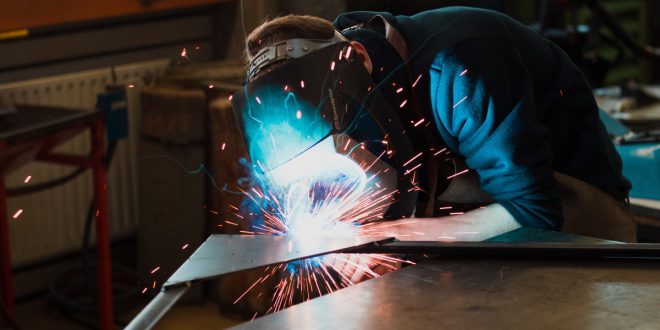
When it comes to outfitting a shop with a welder, the decision can be difficult. With multiple power sources, machine features, and welding processes, finding the right welder requires consideration. Whether you’re a new person in the shop or a seasoned professional, these tips will help you select the right welding equipment.
Learning About Welding Processes
There are a few welding processes, each with unique applications and advantages. The most common options include:
- MIG or metal inert gas welding. Perfect for beginners, MIG welding is simple and yields clean results. The Lincoln power mig 215, for instance, can weld everything from stainless steel to aluminum.
- TIG or tungsten inert gas welding. TIG welders offer control and precision, making them ideal for intricate projects and thin metal pieces. TIG welding requires experience and skill, but it produces aesthetically pleasing results.
- Stick welding. Also known as SMAW or shielded metal arc welding, stick welding is known for its ability to accommodate thicker pieces. SMAW is great for maintenance and construction projects.
- FCAW or flux-cored arc welding. FCAW is much like MIG welding, but it does not require external shielding gases. Flux-cored arc welding is known for deep penetration, which makes it perfect for windy conditions and outdoor work.
These are the most common welding processes used in home and industrial workshops. By learning about these processes, you’ll have the data needed to make an informed decision.
Determining Your Welding Needs
At the start of the selection process, you’ll need to assess the shop’s welding needs. Think about the materials used, metal thickness, and the type of projects undertaken. Every application requires a different welding process, and knowing your needs will help you make the right choice.
Considering Power Requirements
A welder’s power source is a vital consideration. Most welders operate on standard current (110-120V), while power-hungry machines use 220-240V. Small and portable machines are good for hobbyist’s workshops, while industrial-grade welding machines that require higher voltage are better for dedicated shops.
Assessing Duty Cycles
A welder’s duty cycle is the length of time it can operate within ten minutes before it needs to cool down. Duty cycles are expressed as percentages that indicate the ratio of work time to cooling time. For example, a welding machine with a 40% duty cycle can work for four minutes before requiring a six-minute cooling-off period. Buyers must understand duty cycles, especially when projects require prolonged working periods.
Working Within Space Constraints
If quarters are cramped, the machine’s portability and size will become crucial factors. Lightweight, small welders are easier to store and carry, making them ideal for small workshops and mobile use. Large and powerful welders, however, offer increased capability and capacity.
Setting a Budget
While quality is a priority, budget is equally important. Buyers must consider their long-term goals and usage frequency when choosing welding equipment. While an entry-level machine is good for a beginner, an experienced welder may need a more feature-rich, technologically advanced, and expensive model.
Consider These Factors When Buying a Welder
Selecting the right welding equipment is a decision that determines the quality of the results a shop provides. By assessing your needs, learning about welding processes, and considering cost, portability, power requirements, and duty cycles, you’ll have the information needed to make the right decision.


