 Blogging Heros
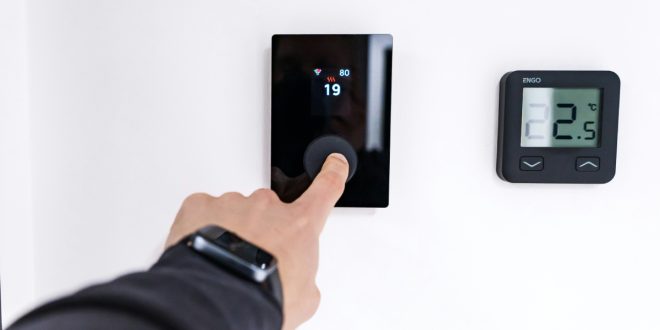
As the demand for cooling systems continues to rise globally, it becomes essential to explore how emerging technologies can help manage costs more effectively. The purpose of this article is to analyze how advancements in air conditioning are influencing energy consumption and financial outlays for households. By examining technological improvements, we aim to understand the potential for cost reductions in cooling systems that have become integral to modern life.
The Global Perspective on Cooling Demand
In today’s rapidly developing world, the need for effective cooling solutions is on the rise. According to the International Energy Agency, investing in cutting-edge air conditioning technologies has the potential to reduce future cooling energy demand by 50% globally. This remarkable potential for energy savings indicates the significant role technological advancements can play in managing global cooling requirements efficiently.
As climate change intensifies, extreme weather patterns lead to increased temperatures, contributing to greater reliance on air conditioning. Homes and commercial buildings worldwide are at the forefront of this shift, reflecting a substantial demand for efficient cooling systems. By focusing on innovative solutions, we can address these energy challenges while simultaneously reducing the environmental impact associated with traditional air conditioning methods.
Moreover, investments in advanced technologies can not only lead to energy conservation but also contribute positively to energy security. Implementing state-of-the-art cooling systems allows for a more balanced and predictable demand on energy grids, improving the resilience of energy networks. This ensures that as cooling demand escalates, it does not disproportionately strain existing energy infrastructures.
Adoption of Central Air Conditioning in American Homes
In the United States, air conditioning has become an indispensable part of daily life. According to the U.S. Department of Energy, approximately 67% of American homes now have central air conditioning systems. This widespread adoption underscores the need for continued innovation to reduce operational costs while maintaining comfort throughout the country.
Central air conditioning systems offer a convenient solution for homeowners seeking consistent indoor temperatures. However, the rising costs associated with energy consumption highlight the need for more efficient systems. As such, the integration of newer technologies, such as programmable thermostats and variable-speed systems, is essential in optimizing performance and minimizing expenses.
Furthermore, the implementation of smart technologies can enhance energy efficiency by tailoring cooling based on real-time usage data. This approach empowers homeowners to make informed decisions, thereby reducing costs without sacrificing comfort. Consequently, the next wave of cooling innovations will likely focus on maximizing the synergy between technology and user behavior.
Electricity Consumption and Cost Implications
In many households across the United States, air conditioners are substantial consumers of electricity. According to ServiceTitan, air conditioning systems typically consume around 12% of the total electricity used in homes. This notable share of electricity consumption signifies the potential cost savings that could be realized through technological improvements.
With energy costs continuing to rise, reducing the electricity usage of cooling systems is vital for financial sustainability. As technology advances, it offers opportunities for greater efficiency, making it financially feasible for homeowners to invest in energy-saving solutions. For instance, energy-efficient models with higher Seasonal Energy Efficiency Ratios (SEER) help maintain lower operational costs over time.
Furthermore, incentives and rebates for energy-efficient appliances encourage consumers to transition to modern cooling systems. These programs minimize upfront costs, providing financial relief and offsetting long-term energy expenses. Through the convergence of policy and innovation, the next generation of air conditioning can cater to financial considerations while supporting environmental objectives.
The intersections of technology, energy efficiency, and climate considerations present substantial growth pathways for the cooling industry. By prioritizing innovation and support measures, such as incentives for energy-efficient solutions, the transition toward more sustainable practices can be accelerated. As we look to the future, it is clear that technology will play a pivotal role in redefining the dynamics of cooling systems worldwide.


