

Table of Contents
Learn how to manage quality control in high-volume manufacturing. Discover key techniques, common issues, DFM strategies, and proven methods to improve consistency, reduce defects, and enhance production efficiency.
Scaling full-scale production is where most manufacturing systems either stabilize or break.
At low volumes, defects are manageable. At high volumes, even small inconsistencies multiply into serious quality issues, increased costs, and customer dissatisfaction.
That is why managing quality control in high-volume manufacturing is not just a process. It is a system that directly impacts reliability, efficiency, and long-term business performance.
What Is Quality Control in High-Volume Manufacturing?
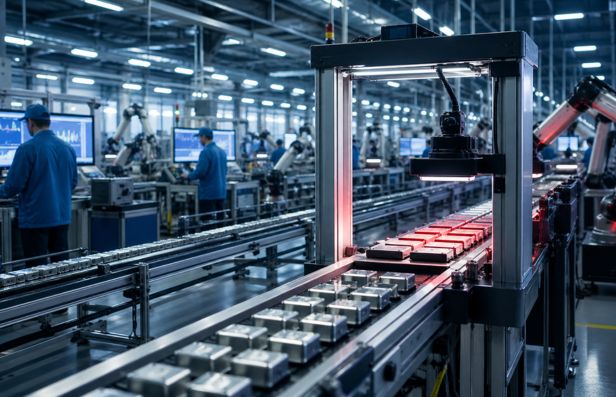
Quality control in high-volume manufacturing is the process of ensuring that every unit produced meets predefined standards for performance, consistency, and reliability.
Unlike small-batch production, high-volume manufacturing requires:
- Continuous monitoring
- Standardized processes
- Real-time defect detection
The goal is not just to detect defects, but to prevent them at scale.
Why Quality Control Becomes Critical at Scale
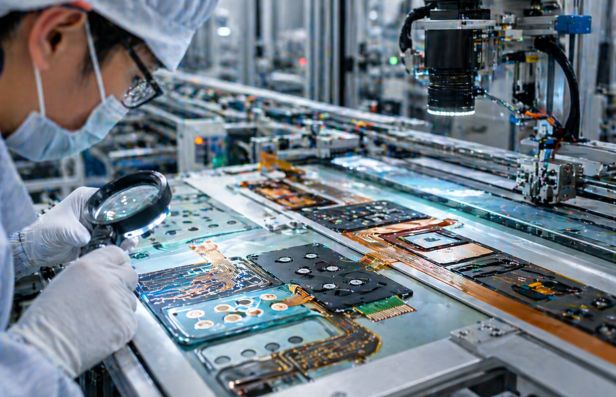
As production volume increases, variability becomes the biggest risk.
Key challenges at scale:
- Small process deviations amplify across thousands of units
- Material inconsistencies affect product performance
- Equipment variation introduces defects
- Human error becomes less visible but more impactful
Without strong quality control systems, defect rates increase rapidly. As production scales, implementing the right strategies becomes essential.
Reading this complete guide to value-added assembly can help improve consistency, reduce handling errors, and support long-term manufacturing reliability.
Core Elements of Quality Control Systems
Effective quality control is built on multiple layers working together.
1. Process Standardization
- Defined procedures for every stage
- Consistent execution across batches
2. Material Control
- Verification of raw material quality
- Supplier consistency management
3. In-Process Monitoring
- Real-time tracking of production parameters
- Immediate detection of deviations
4. Inspection and Testing
- Visual and functional testing
- Electrical or mechanical validation
5. Data Collection and Analysis
- Tracking defects and trends
- Continuous improvement
Types of Quality Control in Manufacturing
Different stages of production require different approaches.
1. Incoming Quality Control
- Inspection of raw materials
- Ensures input consistency
2. In-Process Quality Control
- Monitoring during production
- Prevents defects early
3. Final Quality Control
- Inspection of finished products
- Ensures compliance
Common Quality Issues in High-Volume Manufacturing
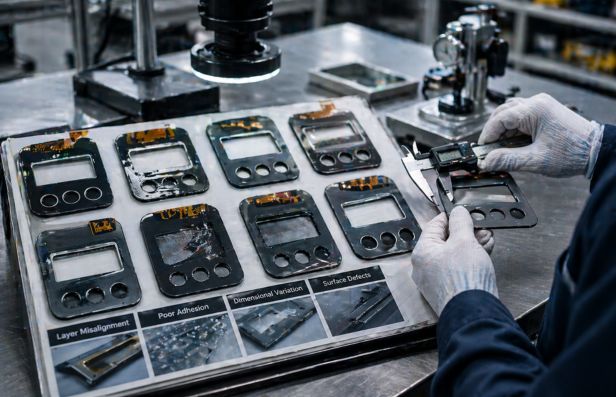
1. Dimensional Variation
- Inconsistent measurements across batches
- Caused by tooling wear, thermal expansion, or process drift
- Leads to poor fit, assembly issues, and product failure
- Especially critical in precision components and multi-layer systems
2. Material Inconsistencies
- Variations in raw materials such as polymers, inks, or metals
- Differences in viscosity, conductivity, or thickness impact performance
- Supplier inconsistency can introduce batch-to-batch variability
- Directly affects durability, electrical behavior, and adhesion
3. Adhesion Failures
- Weak bonding between layers or components
- Often caused by improper surface preparation or incorrect adhesive selection
- Environmental factors like humidity and temperature accelerate failure
- Results in delamination, reduced lifespan, and product rejection
Preventing these failures often begins with proper surface preparation and choosing the right adhesive based on environmental and performance requirements.
4. Misalignment and Registration Errors
- Incorrect positioning of layers in multi-step manufacturing
- Common in printed electronics and layered assemblies
- Caused by equipment inaccuracies or process instability
- Leads to functional defects, short circuits, or visual defects
5. Functional Defects
- Electrical, mechanical, or performance-related failures
- Includes open circuits, short circuits, or inconsistent outputs
- Often, the result of upstream process issues
- Most critical as they directly impact product usability
The Role of Process Control in Maintaining Quality
Process control ensures stability, repeatability, and predictability across production cycles.
1. Parameter Control
- Maintain consistent temperature, pressure, curing time, and speed
- Small deviations can significantly impact product quality at scale
- Critical for processes like printing, molding, and curing
- Requires real-time monitoring and control systems
2. Equipment Calibration
- Regular calibration ensures machines operate within specified limits
- Prevents drift in measurements and production accuracy
- Includes calibration of sensors, printing equipment, and testing systems
- Essential for maintaining consistency across batches
3. Process Repeatability
- Ability to produce identical results across multiple production cycles
- Depends on stable inputs, controlled processes, and consistent materials
- Key metric for high-volume manufacturing success
- Directly impacts yield and defect rates
Quality Control Techniques That Improve Consistency
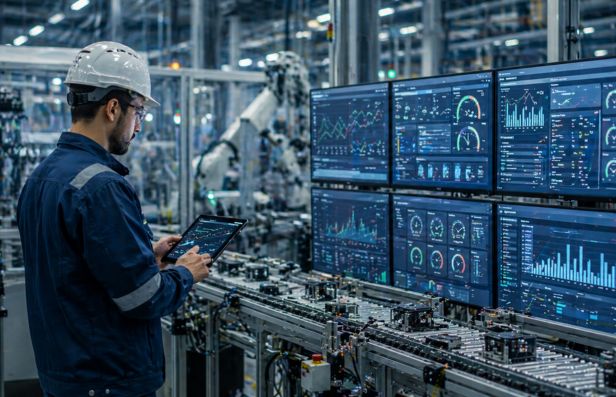
1. Statistical Process Control
- Uses data to monitor variation in production processes
- Identifies trends before defects occur
- Helps maintain process stability over time
- Enables proactive decision-making
2. Automated Inspection Systems
- Use vision systems and sensors for real-time defect detection
- Reduce reliance on manual inspection
- Improve speed and accuracy of quality checks
- Essential for high-volume environments
3. Root Cause Analysis
- Identifies the underlying cause of recurring defects
- Prevents repeated failures instead of temporary fixes
- Uses structured methods like cause-and-effect analysis
- Drives long-term process improvement
4. Standard Operating Procedures
- Define consistent workflows for all production steps
- Reduce variability caused by human factors
- Ensure repeatability across teams and shifts
- Critical for scaling operations
How Design for Manufacturing Supports Quality Control
Quality issues often originate at the design stage.
1. Design Simplification
- Reduces unnecessary complexity in components
- Fewer parts mean fewer chances of failure
- Improves manufacturability and consistency
- Simplifies production processes
2. Process Alignment
- Ensures design matches actual manufacturing capabilities
- Avoids designs that are difficult or expensive to produce
- Improves efficiency and reduces defects
- Bridges the gap between engineering and production
3. Variability Reduction
- Designs that tolerate manufacturing variation perform better at scale
- Reduces sensitivity to process fluctuations
- Improves yield and consistency
- Critical for high-volume production
Quality Control in Printed Electronics and HMI Systems
Printed electronics require tighter control due to material and process sensitivity.
1. Material Consistency
- Conductive inks must maintain stable electrical properties
- Variations impact resistance and signal performance
- Batch consistency is critical for reliability
2. Substrate Behavior
- Substrates must handle mechanical stress and environmental exposure
- Flexibility and durability affect long-term performance
- Inconsistent substrates lead to failures
3. Layer Alignment
- Accurate registration is essential in multi-layer circuits
- Misalignment affects circuit functionality
- Requires precise equipment and process control
4. Adhesion Reliability
- Strong bonding between layers ensures durability
- Poor adhesion leads to delamination and failure
- Influenced by surface conditions and environmental factors
Common Mistakes to Avoid
1. Over-Reliance on Final Inspection
- Detects defects too late in the process
- Leads to higher rejection rates and costs
- Preventive control is more effective
2. Ignoring Material Variability
- Assumes all materials behave consistently
- Leads to unexpected performance issues
- Requires supplier validation and testing
3. Lack of Process Standardization
- Inconsistent workflows increase variation
- Makes scaling difficult
- Leads to unpredictable outcomes
4. Insufficient Real-World Testing
- Products fail under actual operating conditions
- Lab conditions do not always reflect real environments
- Field testing is essential
5. Poor Data Tracking
- Limits visibility into defects and trends
- Prevents continuous improvement
- Data-driven decisions become impossible
How to Build a Scalable Quality Control System
1. Define Clear Standards
- Establish measurable quality benchmarks
- Align teams around consistent expectations
- Ensure compliance across production
2. Implement Real-Time Monitoring
- Detect deviations immediately
- Prevent defects from propagating
- Use sensors and automated systems
3. Use Data-Driven Decisions
- Analyze production data for trends
- Improve processes based on insights
- Enable continuous optimization
4. Train Teams
- Ensure all operators follow standard procedures
- Reduce human error
- Maintain consistency across shifts
5. Continuously Optimize
- Regularly review and refine processes
- Adapt to new challenges and improvements
- Maintain long-term efficiency
Benefits of Strong Quality Control in High-Volume Manufacturing
1. Reduced Defect Rates
- Fewer errors in production
- Higher yield and efficiency
- Lower rejection rates
2. Lower Production Costs
- Reduced waste and rework
- Improved resource utilization
- Better cost control
3. Improved Product Reliability
- Consistent performance across units
- Longer product lifespan
- Increased customer trust
4. Increased Customer Satisfaction
- Consistent quality leads to better user experience
- Fewer complaints and returns
- Stronger brand reputation
5. Better Operational Efficiency
- Streamlined processes
- Reduced downtime
- Faster production cycles
Final Takeaway
Managing quality control in high-volume manufacturing is not about inspecting defects after they occur. It is about building systems that prevent them from happening in the first place.
As production scales, even minor inconsistencies in materials, processes, or design can lead to significant quality issues. That is why a structured approach that combines process control, real-time monitoring, and design alignment is essential.
By integrating quality control early and continuously refining it through data and feedback, manufacturers can achieve consistent output, reduce costs, and maintain product reliability at scale.
In high-volume environments, quality is not a checkpoint. It is a continuous system that defines long-term success.
Frequently Asked Questions (FAQs)
What is quality control in high-volume manufacturing
Quality control ensures that every unit produced meets consistent standards for performance, reliability, and quality through monitoring and testing.
Why is quality control important in large-scale production
Defects multiply at scale, making quality control essential to maintain consistency, reduce costs, and ensure reliability.
What are the main types of quality control in manufacturing
Incoming quality control, in-process quality control, and final quality control are the main types used to manage quality at different stages.
How does process control improve manufacturing quality
Process control maintains consistent production conditions, reducing variability and preventing defects.
What are common quality issues in high-volume manufacturing
Common issues include material inconsistencies, dimensional variation, misalignment, adhesion failures, and functional defects.
