 Blogging Heros
Everyone knows that inhaling mold spores is harmful—and sometimes fatal. It causes hives, wheezing, and other nasty problems.
Because of its potential hazards, the worst thing for a homeowner to discover is mold growing in their residence. It’s not easy to get rid of. If you’re not careful with the cleanup, it may grow even faster than before.
To make sure you eliminate every trace of mold in your home, avoid these common mold removal errors!
1. Having a Single Mold Removal Process
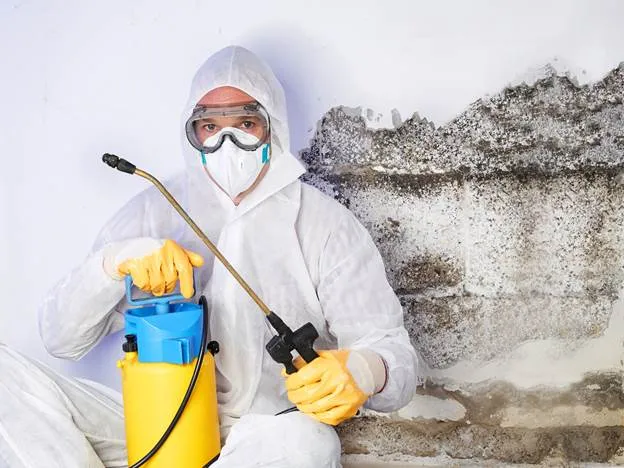
Removing mold with a quick scrub or spray of bleach won’t cut it. You need to be thorough in your cleaning efforts because there might be more mold than what you can see.
Scrubbing should be part of your process, but it shouldn’t be the only step.
Vinegar can help loosen up the spores on surfaces like wood and concrete. Try sprinkling some white vinegar over suspected areas before scrubbing.
You can clean with dish soap and sanitize afterward. Dish soap works well for removing mold from nonporous surfaces, such as plastic or metal.
2. Using the Wrong Products
Contrary to popular belief, bleach shouldn’t be your go-to mold cleaner. There are many types of mold, and some products will kill them while others won’t. Black mold, for example, can grow even faster after coming into contact with bleach.
Instead of turning to chlorine, use hot water and white vinegar. White vinegar kills over 80% of mold species, including black mold.
Baking soda is another organic alternative to chemicals. It dries out moisture and prevents mold from growing back.
While it’s best to choose eco-friendly cleaners, you don’t have to be as picky with your mold removal equipment. A brush, scraper, or vacuum will do the trick.
3. Improper Disposal
The cost of removing mold via professional services is so high that it discourages many people from hiring pros. Luckily, mold-contaminated materials aren’t regulated, so you can dispose of them in your everyday garbage bin. However, improper disposal can lead to the spread of mold spores and encourage re-growth.
Always wrap moldy items in a sealed bag before throwing them away. It will stop the spread of spores by keeping them contained.
4. No Testing
Mold spores can travel through the air when you’re cleaning and land in other areas of your home. Because of this, it’s a good idea to test before removing the mold and then again after you’ve cleaned. It’s the only way to be sure everything is gone.
Mold testing specialists use chemical tests to determine the extent of your mold problem. They can identify the type of mold you have and recommend a plan to remove it.
But if you prefer to DIY the testing phase, have diluted bleach on hand. You can dilute the bleach as much or as little as you want. A one-to-nine ratio of bleach and water is good, but other formulas exist.
Swab the diluted bleach onto questionable areas and let it sit for at least 24 hours. If you see no change, there’s no need to worry about that spot. Changes in color or texture mean the mold is still alive and growing.
5. Cleaning in the Wrong Environment
Cleaning in cold temperatures is better than hot ones. The colder your house is, the less moisture there will be in the air—and therefore on your surfaces. If the mold doesn’t have enough moisture to thrive, it will die off.
Ventilating areas during cleanup is also crucial. You need air to keep moving the mold spores so they don’t have a chance to settle and start growing again. Keep your windows open and use fans if necessary.
6. Skipping Regular Inspections
Mold can grow behind walls and under carpets—even in your HVAC system. This is why we recommend having routine inspections of your plumbing, cooling systems, and air ducts. You can catch mold in its early stages and fix the problem before spores start spreading.
If you don’t have an inspector, examine the house yourself. Just keep in mind that your HVAC system will always require a trained eye for proper assessment.
Look for discoloration on walls or ceilings. This could be a sign of a moisture problem that may lead to mold growth.
Check floorboards for dampness and look inside closets where condensation will likely gather. Examine air vents in those areas for signs of mold growth. If you find any, call in a professional.
7. Poor Moisture Control
Mold flourishes in moist environments, so it’s important to keep humidity levels below 50% during the removal process. You can use a dehumidifier or an air conditioner to accomplish this.
It also helps to relocate plants that are near mold growth. Indoor plants can help make a home more humid.
You can also place charcoal bricks near your cleaning area. They naturally suck moisture from the air. You can find bricks like this in a home and garden store, as they’re commonly used in grilling.
Avoid These Mold Removal Errors
Getting rid of mold is a process that requires caution and patience. If you make one of these mistakes, it could cause more damage than the mold itself.
It’s easy to assume that you can do the job yourself without any experience or training. But that’s a bad idea. The best way to avoid mold removal errors is to do your research.
Our home improvement section offers a wide array of tips and advice. Use our posts to discover effective cleaning solutions, new means of moisture control, and so much more.