 Blogging Heros
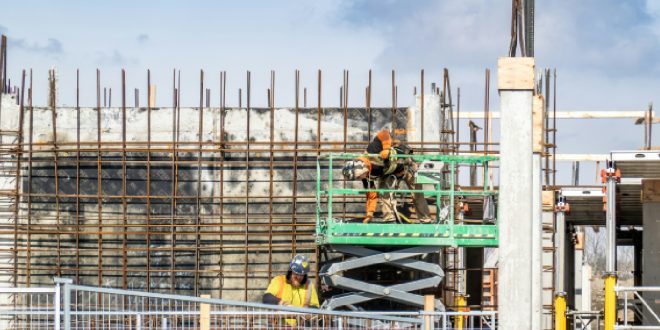
The construction industry is a complex web of dependencies, where each component plays a pivotal role in the success of a project. Among these, skilled labor stands out as a crucial element that can determine the outcome of any construction endeavor. As businesses face increasing challenges in the industry, the demand for proficient workers has never been more critical.
The Critical Role of Skilled Labor in Construction
Skilled labor is a key driver in the successful delivery of construction projects. According to Turner and Townsend, a striking 91% of respondents from a 2024 survey of North American construction firms identified the lack of skilled workers as a significant barrier affecting project timelines and financial outputs. The construction business depends extensively on workers who can adapt to the fast-paced and often changing requirements of projects.
A profound understanding of the craft, architecture, and the materials at use is imperative for skilled laborers to meet the complexities of construction demands. Companies often invest in training programs to ensure their workforce remains competent, which in turn enhances efficiency and workmanship quality. The ability to execute intricate tasks seamlessly allows projects to progress without unnecessary interruptions or cost escalations.
Moreover, the scarcity of such workers can lead to increased costs and project delays. Businesses that fail to secure and maintain a workforce of skilled laborers might encounter issues in meeting deadlines and maintaining budget constraints, as seen in many real-world scenarios. This shortage compels companies to invest more in labor pricing models, shifting the financial burden across project timelines.
Economics of Labor Costs in Construction
The allocation of funds within construction budgets often reveals that labor costs are a substantial portion of expenditure. According to Bob Vila, in basement finishing projects labor can constitute 10 to 25 percent of overall costs. For businesses in the construction industry, strategically managing labor expenses is vital to maintain profitability.
These costs underscore the importance of hiring capable tradespeople who can deliver high-quality work efficiently. Ideally, skilled laborers bring value that outweighs their cost, contributing to the sustainability and success of construction businesses. Effective management and fair compensation for these essential workers can lead to enhanced project outcomes and customer satisfaction.
However, the challenge lies in the unpredictable factors that can affect labor costs, such as economic fluctuations and changes in market demand. Construction firms must be agile, adjusting their strategies to accommodate these variables while aiming to reduce unnecessary labor-related expenses. In this context, a well-maintained crew of skilled workers is a business asset that ensures steady and reliable project execution.
Design and Material Choices Impacting Labor
The architectural design and material selection profoundly influence a project’s labor requirements. According to Forbes, the type of materials used and the design of a roof can dictate labor expenses, with up to 60% of the cost attributed to labor. Construction businesses must strategically select designs and materials that align with both aesthetic vision and budgetary constraints.
Advanced materials and intricate designs demand higher skill levels and longer completion times, which can increase labor costs. Businesses that foresee these challenges proactively can better allocate resources to manage expenses without compromising on quality. Ergo, engaging experienced workers familiar with such materials and designs is imperative to balance costs with desired project outcomes.
Furthermore, the ability of skilled laborers to work efficiently with advanced materials significantly affects project timelines. Construction firms that leverage the expertise of seasoned professionals often see improvements in speed and quality, resulting in higher customer satisfaction and repeat business opportunities. Therefore, the strategic employment of skilled labor forms the backbone of successful construction projects.
Skilled labor occupies a fundamental role in the construction industry, influencing both the financial and operational success of projects. As shown through various industry insights, companies must prioritize hiring and retaining proficient workers who can execute complex tasks efficiently. For construction businesses, adeptly navigating the challenges of labor management is crucial to thriving in a competitive market, ensuring projects are completed on time and within budget.


