Blogging Heros
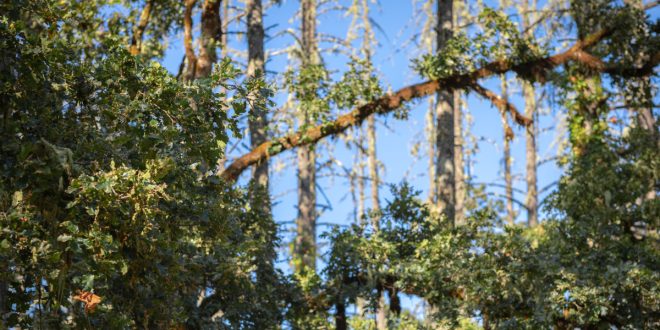
Summer is the time of year when lots of strong storm systems push through. Even a short storm with enough strength can cause major damage to your home and property. If you are a property owner with large trees near buildings, you might have the extra stress of having these trees cause additional damage during one of these storms. Thankfully, just because a tree is large, doesn’t mean it is a threat during bad weather. There are a few things you can look out for to know if your tree is in danger of causing major damage.
Weak Species
Faster-growing trees tend to have interior wood structures that are weaker than their slower-growing counterparts. Examples of these are Willows, Box Elder, and Silver Maples. If you are unsure of the species of your tree, get in touch with a professional tree trimmer or arborist to get a clear idea of what you have and therefore the potential risk.
Dying Trees
This might seem like an obvious tell, but it can be harder to spot than you might think. Trees can become stressed over time showing small signs they are in decline like thinning canopies or areas of deadwood. These things are easier to see and can create weak spots in the tree and cause failure during storms. It could be something small like a branch falling off or something major like the entire tree toppling over. Root systems can be damaged as well, and you would have no way to tell. Removal of hazardous trees that pose a risk to property or people before a storm is always a great idea.
Excessive Weight or Lean
Trees are more structurally sound the more upright they are. If a tree has more branches than one size, that can cause weight to be heavier on one side and that can cause them to break more easily during a storm. If you have a tree with an extreme lean, you might want to have a risk assessment done by a professional to see if it should be promptly removed.
By taking care of these sorts of problems before a storm you reduce the potential of needing emergency tree removal services. You can help reduce your risk further by having annual inspections done and having tree trimming services done on these trees. While the weak structural integrity of these trees may go overlooked by the unskilled eye under normal circumstances, extreme weather can quickly turn these at-risk trees into profound hazards.
Importance of Annual Tree Inspections
Having your trees inspected and pruned on a schedule is one of the best ways to make sure that no potential hazard goes unnoticed and reduce the chance of an emergency by a great amount. Trees have new growth every year that reaches away from the trunk of the tree putting extreme weight on the tips of the branches. Weight reduction pruning is great for large trees that have very large outreaching branches. If you decrease the weight on the ends of these branches, and makes it less likely that these branches will break. Proper pruning will cut back to the strong branch that will leave the tree healthy.
Proper structural trimming can also help prevent collapses. By removing diseased and dying branches within the tree’s canopy you will greatly improve the tree’s ability to withstand any kind of storm.
What To Do After A Tree Has Fallen
Maybe you are in an unfortunate situation, and a storm has already come through and you have some trees that were damaged or have fallen over. Knowing what to do in a situation like that before it happens can keep you safe while you get help to solve the issue.
Handling an Uprooted Tree
Maybe you have found yourself in a situation where the branches aren’t your problem, but the tree has been pulled up by the roots. Handling an uprooted tree can be seriously hazardous work and should not be attempted without the right skills and equipment. Depending on the area, the tree may hide electric lines, which majorly increases the safety risk. An uprooted tree may fall on your home, causing damage to your home.
If you find branches close to utility lines, do not attempt to remove them on your own under any circumstances!! This could be catastrophic – you risk triggering fires or even getting electrocuted. This is the kind of task that should strictly be left to tree service specialists who have the expertise and the required tools.
A lot of homeowners want to salvage an uprooted tree since they have presumably put a lot of time and effort into its growth. It should be good news to you to know that not all trees are condemned for disposal just because they have been uprooted.
Some uprooted trees can be salvaged as long as they are not too big. The root structures of most small trees are usually young and can bounce back from damage with the proper treatment. A simple solution is getting enough soil cover around the roots that were exposed when the tree fell. The situation is different with large trees. If it is uprooted, that means that some of the roots have been destroyed and won’t be able to provide stability and support for the whole plant.
Removal and Utility Lines
When the time finally comes for the uprooted tree on your property to be removed, you need to be aware of any utility lines that might be close to your property. Removal usually necessitates plenty of digging, and if there are any utility lines nearby, chances are that the removal of some of the roots could break these lines.
Unless you have information from someone reliable in your local area, it might not be possible to know the exact location of utility lines right off hand. That is why it is best to let professional tree removal experts do this task for you. They will know where and how to protect the utility lines when removing a tree. It is better to be safe and leave any sort of tree removal process to professional tree service experts.