Blogging Heros
Living in a world filled with vibrant sounds is a gift that enriches our lives in countless ways. From the soothing melodies of our favourite songs to the joyful laughter of loved ones, sound connects us to the world around us. However, for millions of people, hearing challenges can create barriers to fully experiencing these auditory wonders.
In this guide, we will delve into the world of hearing, exploring the intricacies of hearing challenges and the solutions that can help us overcome them. Whether you’re personally affected or seeking insights for a loved one, this article aims to provide friendly and expert information to enhance your understanding.
The Complexity of Hearing
Our ears are remarkable instruments that capture sound waves and transform them into electrical signals that our brains can interpret. The journey of sound begins when sound waves enter the outer ear and travel through the ear canal. These waves then strike the eardrum, setting it into motion.
This vibration is further transmitted to the tiny bones in the middle ear, the hammer, anvil, and stirrup, which amplify the sound and send it to the fluid-filled cochlea in the inner ear. The cochlea is home to delicate hair cells that convert the vibrations into electrical signals, which are sent through the auditory nerve to the brain for processing.
Common Hearing Challenges
Hearing challenges can manifest in various ways, affecting individuals of all ages. Some people are born with hearing impairments, while others experience gradual hearing loss due to factors such as ageing, noise exposure, or certain medical conditions. Understanding the type of hearing loss is crucial for addressing it effectively. There are three main types:
1. Conductive Hearing Loss: This occurs when sound waves are unable to travel efficiently through the outer and middle ear. It can result from ear infections, fluid buildup, or issues with the ear canal or eardrum.
2. Sensorineural Hearing Loss: Often referred to as nerve-related hearing loss, this type occurs due to damage to the hair cells in the inner ear or problems with the auditory nerve. Ageing, noise exposure, and certain medications are common causes.
3. Mixed Hearing Loss: As the name suggests, this type is a combination of both conductive and sensorineural hearing loss. It involves issues in both the outer/middle ear and the inner ear or auditory nerve.
Addressing Hearing Challenges
The good news is that advancements in technology have led to various solutions for addressing hearing challenges and restoring the beauty of sound to those affected. These solutions can significantly enhance the quality of life for individuals with hearing loss. Here are a few options to consider:
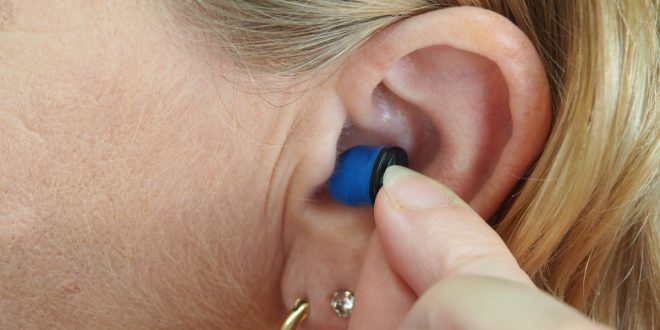
1. Hearing Aids: These small devices are designed to amplify sounds, making them louder and clearer. Modern hearing aids are discreet, comfortable, and can be customised to suit individual needs. They are particularly effective for sensorineural hearing loss and can be a game-changer for many. If you’re in Melbourne, exploring options like hearing aids Melbourne can open doors to improved hearing.
2. Cochlear Implants: This option is suitable for individuals with severe to profound hearing loss who don’t benefit from hearing aids. Cochlear implants work by bypassing damaged hair cells and directly stimulating the auditory nerve. They can provide a sensation of sound to those who might have never experienced it before.
3. Assistive Listening Devices: These devices work alongside hearing aids to enhance specific listening situations. They can reduce background noise, improve speech clarity, and even connect wirelessly to various audio sources.
4. Communication Strategies: For individuals with hearing challenges, effective communication strategies play a crucial role. Simple practices like maintaining eye contact, minimising background noise, and speaking clearly can make conversations more enjoyable for everyone involved.
Embracing a World of Sound
Understanding and addressing hearing challenges is not only about restoring the sense of hearing but also about fostering connections and enriching experiences. By exploring the diverse solutions available and embracing communication strategies, individuals with hearing challenges can actively engage in conversations, enjoy music, and participate more fully in the world around them. If you or a loved one are facing hearing difficulties, remember that there are supportive professionals and technologies ready to assist on this journey to rediscover the symphony of life’s sounds.