 Blogging Heros
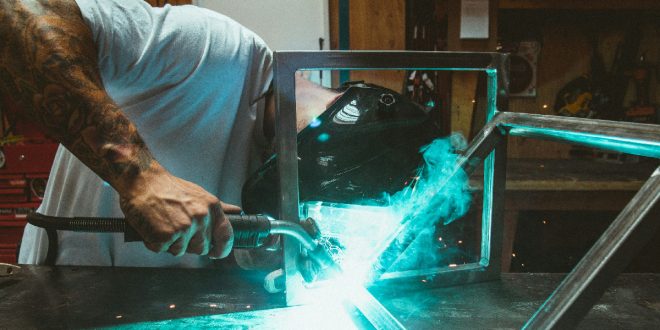
Metal fabrication plays a pivotal role in various industries, ranging from automotive to aerospace. It is an intricate process that involves cutting, bending, and assembling metal structures. The field not only offers a glimpse into technical expertise but also presents numerous opportunities for a rewarding career in manufacturing and engineering.
Current Landscape of Metal Fabrication
In the United States, the sector remains vibrant with about 3,000 companies actively involved in the manufacturing of fabricated structural metal. This figure highlights the significant scale and reach of the industry, providing extensive employment options. For those interested in developing a career in this sector, there are numerous specializations within these companies that cater to different fabrication needs.
The industry’s breadth means professionals can engage in various stages of the fabrication process, from design to finishing. The vast number of firms ensures that there is continual competition and innovation. Consequently, professionals must be adept in the latest fabrication technologies to excel in their career paths.
This robust landscape fosters a competitive environment where continuous learning and adaptation are vital. Employees are encouraged to acquire new skills and qualifications to progress. Therefore, the sector is ideal for those looking to carve out a fulfilling career through skills enhancement and professional development.
The Precision of Sheet Metal Fabrication
Sheet metal fabrication is a specialized branch dealing chiefly with thin metals, often as slim as 0.06 to 0.25 millimeters, according to Fleet Crew. This branch is integral to creating components for daily-use machinery and appliances. It demands a keen eye for precision and the ability to manipulate fine materials without compromising structural integrity.
Professionals in this niche must be proficient in techniques such as bending, cutting, and forming to transform metal sheets into functional products. The intricacies involved in handling delicate materials makes it essential for workers to maintain precision throughout the process. It is this attention to detail that distinguishes a career in metal fabrication from other manufacturing sectors.
With the increasing reliance on technology, proficient fabricators now use computer-aided designs (CAD) to enhance accuracy. This method not only improves productivity but also creates innovative solutions for complex designs. Thus, those in this field must continually enhance their technological expertise to advance their careers.
Importance of Safety and Quality Assurance
A reputable metal fabricator will ensure safety training is a staple within their quality control protocols. This includes educating employees on using protective gear like 3M masks with welder hoods. Implementing such safety measures safeguards workers and maintains high standards in production.
Safety protocols are not only a regulatory requirement; they are also a critical component in ensuring operational efficiency. Workers who understand and adhere to safety procedures contribute to a safer work environment which, in turn, improves overall productivity. This environment is crucial in sustaining a career in fabrication as it reduces the risk of injuries and accidents.
Moreover, comprehensive safety programs are indicative of a fabricator’s commitment to employee well-being and excellence in production. Fabricators who prioritize quality control through diligent safety training enjoy a competitive edge. This approach not only minimizes risks but also enhances product quality, leading to customer satisfaction and business growth.
Metal fabrication is a field brimming with opportunities for growth and advancement. As a dynamic and essential part of the industrial landscape, it offers a rich avenue for careers focused on technical skill and safety. Through continuous learning and adaptation, professionals can build a rewarding career path in this ever-evolving industry.
For those with the drive to innovate and excel, metal fabrication offers a promising and stable career path. With the industry’s continued reliance on skilled labor and technology, there is ample opportunity for professional development and success. It is, indeed, a field where craftsmanship meets futuristic innovation.


