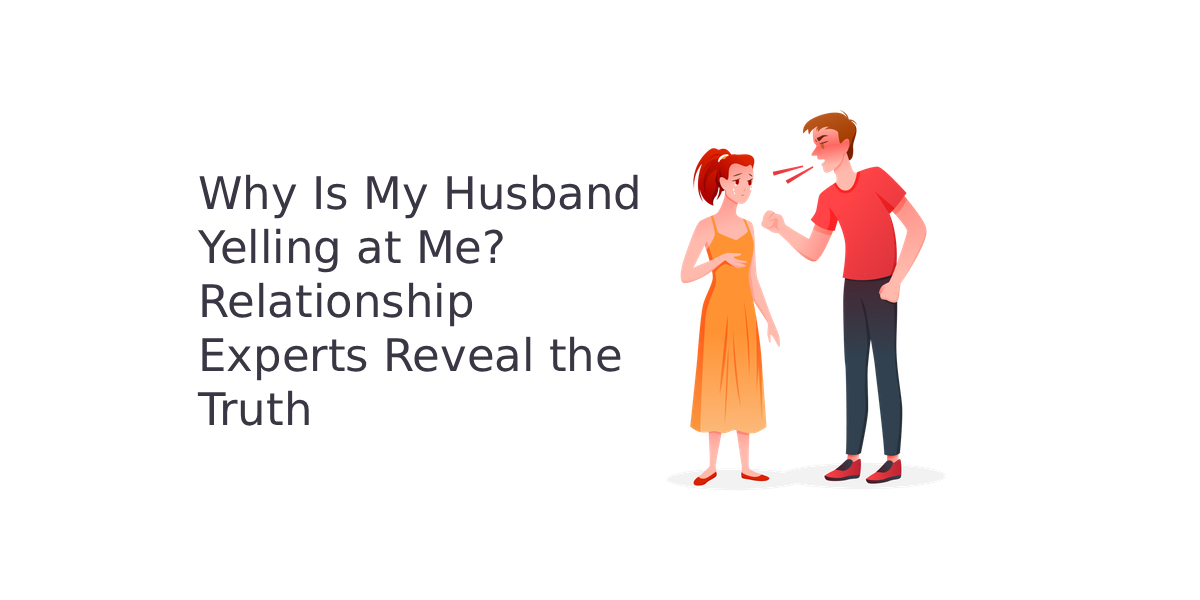
Why Is My Husband Yelling At Me
Why Is My Husband Yelling at Me? Relationship Experts Reveal the Truth

Why Is My Husband Yelling at Me? Relationship Experts Reveal the Truth

Relationships are meant to be a place of safety, understanding, and emotional connection. So when your partner raises his voice, it can feel confusing, hurtful, and even frightening. If you’ve found yourself asking, “Why Is My Husband Yelling At Me?”, you’re not alone. Many women experience this at some point in their relationship—and while it’s common, it’s not something that should be ignored or normalized.

In this comprehensive guide, we’ll explore the real reasons behind yelling, what it means for your relationship, and most importantly—what you can do about it. Relationship experts agree: yelling is rarely just about the moment—it’s often a symptom of deeper emotional dynamics.

Understanding Yelling in Relationships

Yelling is a form of communication—but not a healthy one. It usually arises when emotions overwhelm a person’s ability to express themselves calmly. While it may seem like anger is the only emotion involved, yelling often masks deeper feelings such as fear, frustration, insecurity, or helplessness.

Why People Yell Instead of Communicating Calmly

ReasonExplanationWhat It Looks Like
Emotional OverloadToo many emotions at onceSudden outbursts over small issues
Poor Communication SkillsDoesn’t know how to express feelingsBlaming, interrupting, shouting
Learned BehaviorGrew up in a loud householdThinks yelling is normal
Need for ControlWants to dominate the conversationTalks over you, dismisses your feelings

Understanding the root cause is the first step toward addressing the issue effectively.

Top Reasons Your Husband May Be Yelling

Let’s dive into the most common explanations experts highlight.

1. He Feels Unheard or Ignored

Sometimes yelling is a misguided attempt to be heard. If your husband feels like his concerns are being dismissed, he may raise his voice to gain attention.

But here’s the truth: Yelling doesn’t solve communication problems—it makes them worse.

2. Stress Is Taking Over

Work pressure, financial worries, or personal struggles can build up and spill over into the relationship.

Common Stress TriggersImpact on Behavior
Job pressureIrritability, impatience
Financial issuesAnxiety, frustration
Family conflictsEmotional exhaustion
Health concernsMood swings

When stress isn’t managed properly, it often comes out as anger toward the closest person—usually a partner.

3. He Learned This Behavior Growing Up

If he grew up in a household where yelling was common, he may see it as a normal way to communicate.

This doesn’t excuse the behavior—but it does explain it.

4. He Feels a Loss of Control

Some people yell when they feel powerless in a situation. Raising their voice gives them a temporary sense of control.

This is especially common during arguments where emotions run high.

5. Unresolved Relationship Issues

Ongoing conflicts that are never properly resolved can build up over time. Eventually, they explode in the form of yelling.

6. Emotional Immaturity

Not everyone learns how to regulate emotions effectively. Emotional immaturity can lead to outbursts instead of calm discussions.

7. He May Be Struggling Internally

Sometimes the issue isn’t about you at all.

He could be dealing with:

  • Anxiety
  • Depression
  • Low self-esteem
  • Burnout

These internal struggles often manifest as irritability or anger.

Is It Normal or a Red Flag?

Not all yelling is the same. Occasional raised voices during heated arguments can happen in many relationships. But frequent or intense yelling is a serious concern.

Healthy vs. Unhealthy Conflict

Healthy ConflictUnhealthy Conflict
Calm discussionsFrequent yelling
Respectful toneInsults or name-calling
Focus on solutionsBlame and criticism
Mutual listeningOne-sided shouting

If yelling is constant, degrading, or makes you feel unsafe, it crosses into emotional abuse territory.

The Emotional Impact on You

Being yelled at repeatedly can have lasting effects:

  • Lower self-esteem
  • Increased anxiety
  • Emotional withdrawal
  • Fear of speaking up
  • Feeling constantly “on edge”

Over time, it can damage not only your relationship—but your mental health as well.

What Experts Say About Yelling

Relationship experts emphasize that yelling is often a sign of unmet needs and poor emotional regulation.

They recommend focusing on:

What You Can Do About It

If you’re asking yourself, “Why Is My Husband Yelling At Me?”, it’s important to shift from confusion to action.

1. Don’t Respond with Yelling

Reacting with the same intensity escalates the situation.

Instead:

  • Stay calm
  • Lower your voice
  • Pause the conversation if needed

2. Address It When Things Are Calm

Timing matters. Don’t try to fix the issue during an argument.

Say something like:

“I want us to communicate better. When you yell, it hurts me.”

3. Set Clear Boundaries

Let him know what is acceptable and what isn’t.

Examples:

  • “I won’t continue this conversation if you raise your voice.”
  • “We can talk when we’re both calm.”

Boundaries protect your emotional well-being.

4. Identify Triggers Together

Work as a team to understand what causes these outbursts.

Ask:

  • What situations lead to yelling?
  • What emotions are underneath?

5. Encourage Healthier Communication

Suggest alternatives like:

  • Taking breaks during arguments
  • Using “I feel” statements
  • Listening without interrupting

6. Consider Counseling

A professional therapist can help uncover deeper issues and teach healthier communication patterns.

7. Take Care of Yourself

Don’t neglect your own emotional needs.

  • Talk to a trusted friend
  • Practice self-care
  • Seek support if needed

When Yelling Becomes Emotional Abuse

There’s a line between frustration and abuse.

Warning Signs

  • Constant yelling
  • Insults or humiliation
  • Threats or intimidation
  • Controlling behavior

If you recognize these patterns, it’s important to take them seriously.

How to Have a Constructive Conversation

Here’s a simple framework you can use:

StepWhat to DoExample
Start CalmlyChoose the right moment“Can we talk about something important?”
Express FeelingsUse “I” statements“I feel hurt when you yell.”
Be SpecificGive examples“Yesterday during dinner…”
Suggest ChangeOffer solutions“Can we try speaking calmly?”
ListenHear his perspectiveAvoid interrupting

Can Relationships Recover from This?

Yes—many relationships improve once both partners are willing to work on communication.

Success depends on:

  • Mutual effort
  • Willingness to change
  • Respect and empathy

If both partners are committed, yelling can be reduced and replaced with healthier communication.

When You Should Seek Help Immediately

  • You feel unsafe
  • The yelling is escalating
  • There is emotional or physical abuse
  • Your mental health is suffering

In such cases, don’t hesitate to reach out to a professional or support system.

FAQs

Why does my husband yell at me over small things?

This often happens due to accumulated stress, unresolved emotions, or poor emotional regulation. Small triggers can lead to big reactions when deeper issues are present.

Is yelling a form of abuse?

It can be. Occasional yelling in arguments may not be abusive, but frequent, intense, or degrading yelling is considered emotional abuse.

What should I do when my husband starts yelling?

Stay calm, avoid reacting emotionally, and if necessary, walk away until the situation cools down. Address the issue later in a calm setting.

Can therapy really help?

Yes. Therapy can improve communication, resolve underlying issues, and teach both partners healthier ways to express emotions.

Why Is My Husband Yelling At Me even when I stay calm?

His behavior may not be about your actions at all. It could stem from internal struggles, stress, or learned patterns. Staying calm is helpful—but it doesn’t automatically change his behavior.

Should I tolerate yelling to keep the peace?

No. Tolerating unhealthy behavior can make it worse over time. Setting boundaries is essential for a healthy relationship.

Can a person stop yelling?

Yes, with awareness, effort, and sometimes professional guidance, people can learn to manage emotions and communicate calmly.

Final Thoughts

If you’ve been asking yourself, “Why Is My Husband Yelling At Me?”, the answer is rarely simple—but it is always important. Yelling is a signal that something deeper is going on, whether it’s stress, emotional struggles, or communication breakdown.

What matters most is how you respond:

  • Don’t ignore it
  • Don’t normalize it
  • Don’t blame yourself

Healthy relationships are built on respect, understanding, and open communication—not fear or raised voices.

You deserve to feel heard, valued, and safe in your relationship. And with the right approach, it’s possible to move from conflict to connection.

Check Also

Design Studio

What a Design Studio Actually Does for Your Business That a Freelancer Cannot

Most businesses that are thinking about refreshing their brand or commissioning creative work face a …