

Table of Contents
Choosing a broker is crucial, whether you’re starting to trade or expanding your portfolio. A dependable service provider presents the resources, tools, and support needed to execute profitable trades and manage your workflow efficiently.
Below, you will find eight important factors to pay attention to when looking for a broker. Other than these tips, make sure to check out reviews like this PocketOption review to learn from other traders’ real experiences. Now, let’s dive into the tips.
Make Sure the Broker is Regulated
When choosing a broker, regulatory oversight is crucial. Regulated brokers comply with strict standards set by regulatory bodies, ensuring added security and trust.
Verify if reputable organizations regulate the broker. For different countries, these will be different:
- Canada: The Investment Industry Regulatory Organization of Canada
- Australia: the Australian Securities and Investments Commission
- United Kingdom: The Financial Conduct Authority
- United States: the U.S. Securities and Exchange Commission
Assess the Trading Platform
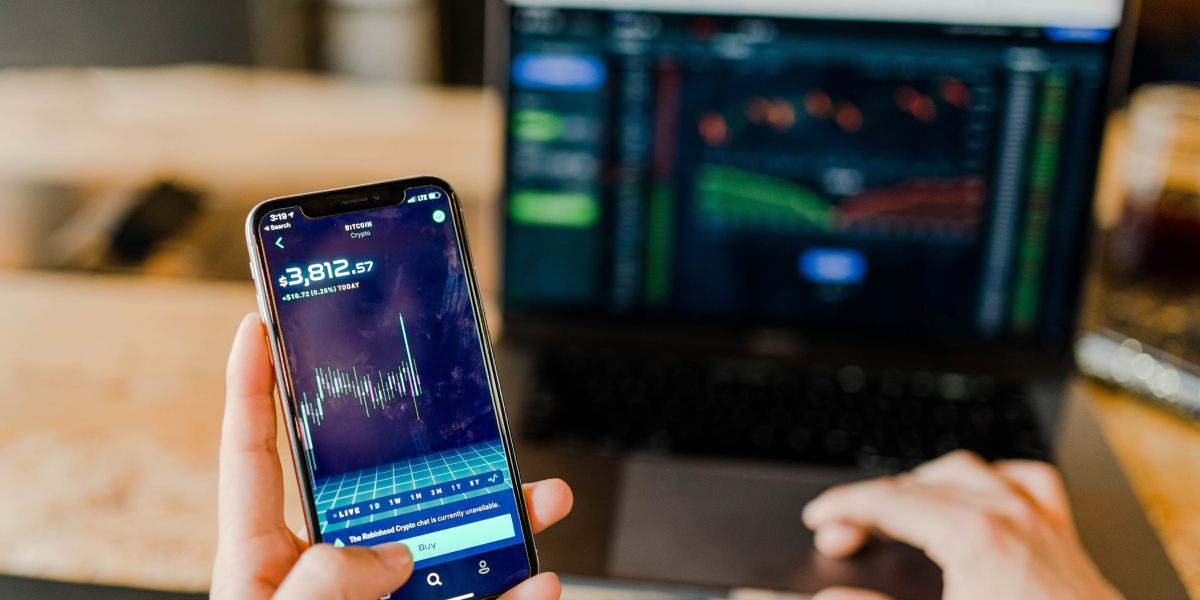
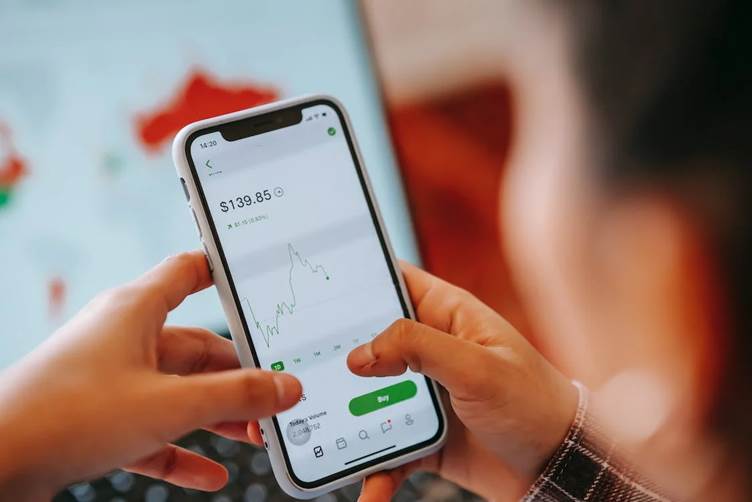
Assess the broker’s trading platform for its user-friendliness, reliability, and functionality. Look for features like real-time quotes, interactive charts, news feeds, and order control. Also, consider if the platform offers mobile trading capabilities for trading on the go.
Carefully Study the Fees and Commissions
Be clear about the broker’s fee structure. This could include spreads, commissions, overnight financing costs, and account maintenance fees. Lower costs can significantly impact your profitability, especially if you’re a frequent trader.
Explore Available Markets
Consider what markets the broker provides access to. The more markets there are available, the greater your opportunities for diversification. Whether you’re interested in forex, equities, commodities, or cryptocurrencies, ensure the broker caters to your preferred markets.
Find out What Customer Service They Provide
Top-notch customer service can make your trading experience smoother. Ensure the broker offers prompt and reliable customer support, preferably 24/7, through various channels like live chat, phone, and email.
Look for Account Types
Brokers often offer different types of accounts tailored to different levels of traders. These can range from micro-accounts suitable for beginners to VIP accounts for experienced traders. The right account type depends on your trading goals, experience, and capital.

Check What Education and Research Tools are Available
If you’re a beginner, look for brokers offering comprehensive educational resources, including webinars, e-books, and tutorials. Additionally, research tools like market analysis, economic calendars, and trading signals can help you make informed trading decisions.
Check the Deposit and Withdrawal Options
Review the broker’s deposit and withdrawal policies. Find a broker that simplifies the process with minimal delays or fees. Additionally, confirm that they provide various payment options like bank transfers, credit cards, and e-wallets.
Bottom Line
Remember, choosing the right broker involves careful consideration. Take the time to research and compare different brokers before making a decision. Lastly, consider starting with a demo account to get a feel for the broker’s platform and services before risking real money.
