

Table of Contents
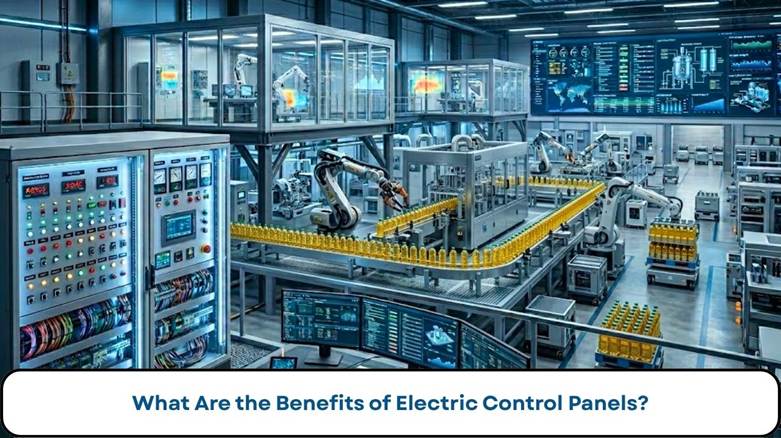
Did you know that industries implementing automation systems can improve operational efficiency by up to 30% while significantly reducing downtime and human error? In today’s fast-paced industrial landscape, businesses are constantly seeking smarter ways to enhance productivity, safety, and cost-effectiveness—and this is where electric control panels play a vital role.
Electric control panels are centralized systems designed to control, monitor, and manage electrical operations within machinery and industrial processes. From manufacturing plants to commercial buildings, they serve as the backbone of automation, ensuring smooth and efficient operations. Companies like Covenants Panelworks provide customized control panel solutions that meet the evolving needs of modern industries.
As industrial processes become more complex, these panels offer the control, reliability, and safety required for seamless operations. They help optimize energy usage, reduce costs, and improve overall performance.
What Is an Electric Control Panel?
Definition and Core Function
An electric control panel is a centralized enclosure that houses electrical components used to control and monitor machinery and industrial systems. It serves as the command center, where operators can efficiently manage various processes.
These panels are designed to regulate electrical flow, ensure proper functioning of equipment, and provide real-time monitoring capabilities. By integrating multiple components into a single system, electric control panels streamline operations and improve overall system reliability.
Key Components of Electric Control Panels
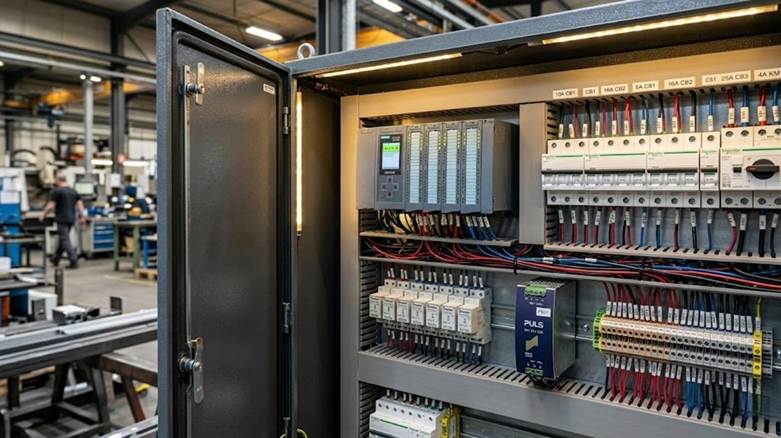
Electric control panels consist of several essential components that work together to ensure smooth and safe operation:
- Circuit Breakers: Protect systems from overloads and short circuits by interrupting the electrical flow during faults.
- Relays and Contactors: Control the switching of electrical circuits and manage high-power loads safely.
- PLC (Programmable Logic Controller): Acts as the brain of the system, automating processes based on programmed instructions.
- HMI (Human Machine Interface): Provides a user-friendly interface for operators to monitor and control systems.
- Power Supply Units: Ensure a stable and reliable power source for all components within the panel.
Types of Electric Control Panels
Electric control panels come in various types, depending on their application and functionality:
- Industrial Control Panels: Used in manufacturing and heavy industries to manage machinery and production processes.
- Automation Control Panels: Designed for automated systems, integrating PLCs and advanced control technologies.
- Power Distribution Panels: Manage and distribute electrical power across different systems.
- Motor Control Centers (MCC): Specifically used to control and protect electric motors in industrial settings.
Why Electric Control Panels Are Essential in Modern Industries
Modern industries operate in highly complex environments where multiple systems must work in perfect synchronization. Electric control panels provide the necessary infrastructure to manage this complexity efficiently.
As industrial processes grow more advanced, the need for centralized control systems becomes critical. Electric control panels allow operators to monitor and control multiple processes from a single point, reducing the need for manual intervention.
They also play a key role in digital transformation and smart manufacturing. By integrating with advanced technologies such as PLCs and SCADA systems, control panels enable real-time data collection and analysis, helping businesses make informed decisions.
Additionally, electric control panels significantly reduce human involvement in repetitive and high-risk tasks, improving both productivity and workplace safety.
Key Benefits of Electric Control Panels
Improved Operational Efficiency
One of the primary benefits of electric control panels is their ability to enhance operational efficiency. By automating repetitive processes, these panels reduce the need for manual intervention and minimize errors.
They also enable faster response times, ensuring that systems operate smoothly without delays. As a result, businesses can achieve higher productivity levels and better resource utilization.
Enhanced Safety Standards
Safety is a top priority in any industrial environment, and electric control panels play a crucial role in ensuring it. They are equipped with built-in safety mechanisms that protect against electrical hazards such as overloads and short circuits.
By complying with industry safety standards, these panels help prevent accidents and create a safer working environment for employees.
Better Process Control and Accuracy
Electric control panels provide precise control over industrial processes, ensuring consistent performance and high-quality output.
With real-time monitoring capabilities, operators can quickly identify and address issues, maintaining accuracy and reducing variations in production.
Reduced Downtime and Maintenance Costs
Downtime can be costly for any business, but electric control panels help minimize it through early fault detection and predictive maintenance.
By identifying potential issues before they escalate, these panels allow for timely repairs and faster troubleshooting, reducing maintenance costs and improving system reliability.
Energy Efficiency and Cost Savings
Energy efficiency is a major concern for industries today, and electric control panels help address this challenge effectively.
They optimize power usage, reduce energy waste, and lower operational costs. By improving energy management, businesses can achieve significant cost savings over time.
Centralized System Management
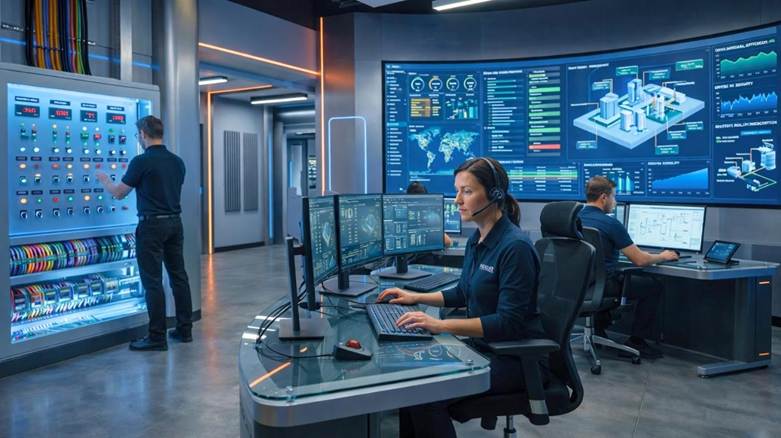
Electric control panels provide a single point of control for multiple systems, simplifying monitoring and management.
This centralized approach not only improves efficiency but also makes it easier to integrate with advanced systems such as SCADA, enabling better control and visibility across operations.
Scalability and Flexibility
As businesses grow, their operational needs evolve. Electric control panels offer the flexibility to adapt to these changes.
They can be easily upgraded or expanded, allowing organizations to scale their systems without major disruptions. Customizable configurations also ensure that panels meet specific requirements.
Improved Productivity and Output Quality
By enabling continuous operations with minimal interruptions, electric control panels significantly boost productivity.
They ensure consistent performance, leading to higher production rates and improved product quality—key factors for maintaining competitiveness in the market.
Role of Electric Control Panels in Industrial Automation
Electric control panels are at the heart of industrial automation. They integrate seamlessly with PLC and SCADA systems, enabling real-time data collection and analysis.
This integration supports Industry 4.0 initiatives, where connected systems and smart technologies drive efficiency and innovation.
Additionally, modern control panels offer remote monitoring and control capabilities, allowing operators to manage systems from anywhere. This not only improves convenience but also enhances responsiveness to potential issues.
Conclusion
Electric control panels have become an essential component of modern industrial and commercial operations. From improving efficiency and ensuring safety to reducing costs and enabling automation, their benefits are extensive and far-reaching.
They provide businesses with the tools needed to manage complex systems effectively, ensuring smooth and reliable operations. As industries continue to evolve, the importance of electric control panels will only grow.
Companies like Covenants Panelworks are playing a key role in delivering high-quality, customized control panel solutions that meet the unique needs of various industries. By combining innovation with expertise, they help businesses achieve greater efficiency, safety, and performance.
In the long run, investing in advanced electric control panels is not just a technological upgrade—it is a strategic decision that drives growth, competitiveness, and sustainability in an increasingly dynamic industrial landscape.
FAQs
What is the main purpose of an electric control panel?
The main purpose is to control, monitor, and manage electrical systems efficiently while protecting equipment and personnel from electrical hazards. Control panels centralize operations, enabling operators to manage complex processes from a single location.
How do electric control panels improve safety?
They improve safety by preventing overloads, short circuits, and electrical faults through built-in protection mechanisms. Control panels also reduce human exposure to dangerous electrical environments and ensure compliance with safety regulations.
Are electric control panels energy efficient?
Yes, they optimize power usage and reduce energy waste through intelligent control features like variable frequency drives, automated scheduling, and load balancing. This typically results in significant reductions in electricity costs.
Can electric control panels be customized?
Absolutely. Electric control panels can be tailored to specific industrial requirements, accommodating unique equipment configurations, control strategies, and integration needs. Customization ensures optimal performance for your particular application.
What industries use electric control panels?
Electric control panels are used across virtually all industries, including manufacturing, oil and gas, power generation, water and wastewater treatment, food and beverage processing, pharmaceuticals, commercial buildings, and renewable energy sectors. Any operation involving electrical equipment benefits from proper control panel implementation.
