Blogging Heros

Buying a home is a big step. One crucial document in this process is the home inspection certificate. This certificate ensures your new home is safe and sound. This highlights any issues that need fixing.
Understanding this document can save you time and money. In this guide, we will break down the home inspection certificate. We will explain why it is important and what to look for.
Whether you’re a first-time buyer or a seasoned homeowner, this guide will help you make informed decisions. Stay with us to learn all about the home inspection certificate.
What is a Home Inspection Certificate?
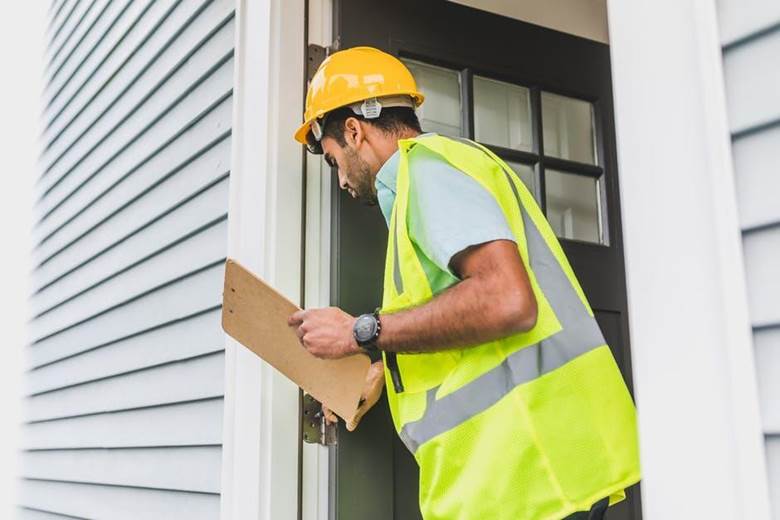
The home inspection certificate is a formal report. It is given after a thorough check of a house’s condition. It is done by a qualified home inspector.
It outlines the condition of various elements of the home. This includes the foundation, roof, electrical systems, plumbing, and more.
The certificate lists any problems found. It shows what needs repair or replacement. This helps buyers understand the true state of the property they intend to purchase.
Having this certificate can give buyers peace of mind. This ensures there are no hidden issues. It can also be used in negotiations before buying.
Role of Certified Home Inspectors
Certified home inspectors play a key role in the home-buying process. They are trained professionals who know what to look for in a house. Their training helps them spot issues that others might miss.
During the inspection, the inspectors will check all parts of the house. They look at the roof, walls, plumbing, and more. Their goal is to make sure everything is in good shape.
After the inspection, they give a detailed report. This report highlights any problems found. It also includes advice on what needs to be fixed or replaced.
Their work helps buyers make smart decisions. With their report, buyers know what they are getting into. This can save time, money, and future headaches.
Key Areas Covered in an Inspection
Home inspection services cover many important areas. These include the structural elements, exterior, roof, plumbing, electrical systems, heating and cooling systems, interior insulation, and ventilation.
Structural elements include the foundation, walls, floors, and ceilings. The inspector checks for any visible cracks or signs of damage.
The exterior of the house is also examined. This includes siding, windows, doors, decks, and balconies. Any defects like rot or water damage are noted.
A thorough check of the roof is done to ensure there are no leaks or damage. The inspector will also look at the gutters and downspouts. Also, all faucets and fixtures are checked for proper functioning.
Benefits of a Home Inspection Certificate
A home inspection certificate offers many benefits to homebuyers. First, it provides assurance. You know there are no hidden problems with the home.
Second, it can save you money. The certificate shows what needs fixing. You can negotiate with the seller to cover these costs.
Third, it helps you plan for future repairs. Knowing the home’s condition lets you budget for maintenance. This can prevent unexpected expenses later.
Finally, it ensures safety. The inspection checks vital systems like plumbing and electrical. Ensuring these systems are safe helps protect your family.
Common Issues Found During Inspections
During a home inspection, certain issues are commonly found. These can include structural problems, such as cracks in the foundation or walls.
Plumbing and electrical issues may also be uncovered. This could include leaks, faulty wiring, or outdated systems.
Roofing problems are another common issue. Leaks, missing shingles, or damaged flashing, can all be discovered during an inspection.
Other common issues found during inspections include mold and pest infestations. This can have serious health and safety implications if left untreated.
The Importance of Attending the Inspection
Attending a home inspection is crucial for buyers. It allows you to see the home’s condition firsthand. You can ask questions directly to the inspector.
Being there helps you understand the inspector’s findings. Reading the report is one thing, but seeing issues in person is better. This clarifies what needs repair or replacement.
You also gain insight into the home’s maintenance needs. The inspector can give tips on how to care for the house. This advice is valuable for long-term upkeep.
Finally, attending shows that you are a serious buyer. It helps build trust with the inspector. This can lead to a more thorough and honest inspection.
Interpreting Inspection Report
Interpreting the inspection report is a vital step. Start by reading the summary page. This page highlights the most critical issues found.
Next, go through the detailed list of findings. Note any problems mentioned. Pay special attention to major systems like plumbing and electrical.
Ask the inspector if you have questions. They can explain any confusing terms. Understanding the report helps you make smart decisions.
Consider getting quotes for repairs. Knowing the costs can help in negotiations. Use this report as a guide for future maintenance.
Tiny Home Certification
For those interested in tiny homes, it’s essential to ensure the property meets specific standards. A home inspection certificate for a tiny home, often referred to as a tiny home certification, ensures that the small structure complies with safety and building codes.
Getting a tiny home certified involves an inspection process. Inspectors check if the tiny home meets all required standards. If it passes, the home receives an official certificate.
The certification can add value to your tiny home. Buyers are more likely to purchase a certified home over a non-certified one. This makes home certification a wise investment.
The Power of Home Inspection Certificate
A home inspection certificate is an invaluable tool for any homebuyer. It provides a detailed overview of the property’s condition, highlighting any potential issues that need attention. By obtaining an inspection certificate, buyers gain peace of mind, knowing that their investment is sound.
This document not only helps in negotiating repairs and costs but also ensures the safety and longevity of the home. Whether purchasing a traditional home or a tiny house, the importance of a thorough inspection and certification cannot be overstated.
Did this article help you? If so, take a look at some of our other blog posts for more informative reads.