 Blogging Heros
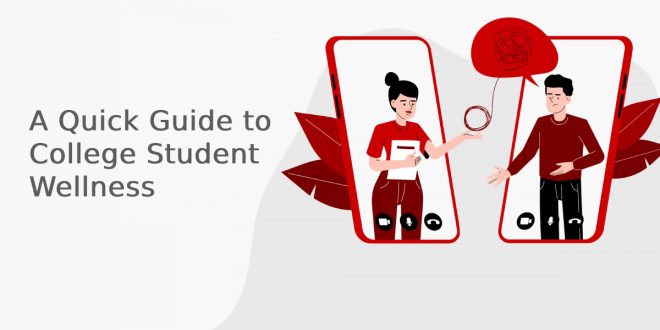
As a college student, you have a lot on your plate. Academics is only one of the elements that you must manage. After all, your physical and mental health should be priorities as well.
However, not all college towns have clinics to help with student wellness on campus. This can make maintaining your mental and physical health priorities daunting.
But don’t worry! We’ve got some details for you to ensure you’re staying healthy and how you can access healthcare resources when needed. Keep reading for a quick guide to good health when you next attend class.
Let’s get into it!

Getting Enough Sleep
Getting enough sleep is a vital part of college student wellness. Studies suggest that an individual should aim for 7 to 9 hours of sleep per night. Unfortunately, many struggle with getting the recommended amount of sleep.
To establish a sleep schedule and practice good sleep hygiene, one must practice the following:
- Sticking to a consistent bedtime and wake-up time
- Keep away from electronic devices before bed
- Avoiding activities. that overstimulate the body
Additionally, students should limit their caffeine and alcohol intake, as too much can interfere with sleep. Finally, reaching out for support from campus resources can be very beneficial in dealing with insomnia or other sleep difficulties.
Making Time for Self-Care
Making time for self-care can help students stay healthy and cope with stress. It is about setting aside some time to do something that you enjoy like walking outside or listening to music.
Additionally, taking time to recharge can also help improve mental clarity, especially if you’re seeing signs of depression. Setting aside time each day to express emotions can help reduce this feeling.
Moreover, carving out time for activities such as relaxing baths, meditation, or a spa day, can help restore mental clarity. Through these basic steps, students can take control of their wellness and make the most of their college experience.
Eating a Balanced Diet
The key to maintaining a healthy diet is to include all of the food groups in the right proportions. Fruits, vegetables, lean proteins, whole grains, and low-fat dairy products are all important in a healthy diet.
Also, unprocessed foods should be consumed whenever possible. Additionally, students should also be informed about nutrition labels and ingredients to make healthy choices possible.
Lastly, aim for about eight 8-ounce glasses of water a day. By eating a healthy and balanced diet, students are well on their way during their college years.
Staying Active
For college students, getting active can be as simple as jogging around campus or joining an intramural sports team. Walking to class rather than taking the bus or car is another way to get some exercise in.
Finding ways to stay active doesn’t have to be difficult or expensive. You can go dancing with friends, volunteer with a local organization, or take part in an outdoor activity.
Find things that you enjoy to stay motivated and make exercise fun. Not only will this help improve physical well-being, but will also contribute to mental and emotional health.
Creating Strategies to Manage Stress and Anxiety
A college student’s well-being should not be taken for granted. That is why it is so important to find ways to manage stress and anxiety. Finding ways to unwind after a long day of classes is essential to stay productive and healthy.
Additionally, maintaining a balanced lifestyle including healthy food choices can help keep stress levels in check. You may also consider meditation or breathing exercises to help relax your mind.
Furthermore, building strong relationships with peers can also help to decrease stress and anxiety. Lastly, seeking professional help is a great option if none of these strategies end up working to improve student wellness.
Remaining Organized
Establishing good time management and organization is essential to maintaining a healthy lifestyle. To help a college student manage their time effectively, they can consider basic tools such as:
- Keeping an organized planner
- Breaking down large tasks into smaller ones
- Avoiding procrastination
Additionally, it can further be achieved by maintaining a neat physical environment and a digital one. Also, make sure that items used regularly are kept close so that important items are not misplaced.
Working in an organized environment will allow the student to feel more in control of their own life.
Having a Healthy Attitude
Having a healthy attitude is one of the most important parts of college student wellness. Positive thinking and optimism foster resilience, which helps students to stay focused and on track.
Additionally, the ability to be open-minded and view things from a variety of perspectives can also help. Finally, taking breaks and giving ourselves some alone time to unwind can help us boost our overall well-being.
Taking care of our mental health helps us to stay on track despite the obstacles and setbacks college life can bring.
Staying Connected With Family and Friends
College can be a time of immense transition, and the support of close relationships is essential. There are myriad ways to stay connected, ranging from tangible to digital.
Face-to-face visits with family and friends, either at home or at college, provide an opportunity to share stories, gain perspective, and feel connected. Texts, calls, and emails also give a sense of connection and support.
In addition, sharing meals or coffee can also serve to create deeper connections as relationships grow. Social platforms like Instagram and Facebook provide an opportunity to make moments and memories and add a layer of fun.
Finally, setting regular schedules for conversations, using video or audio calls, or even snail mail can be helpful ways to stay connected and make it less of a burden.
Whatever method of communication works best, the student’s well-being is greatly enhanced by staying connected to those who are close to their hearts.
Top Student Wellness Tips for College Students
College student wellness is important for attaining positive academic outcomes. As outlined in this guide, self-care, support networks, and professional help are key components in achieving balance.
Taking the time to appropriately recognize and address one’s needs is vital to one’s well-being. If you’re struggling, seek help from resources such as counseling services and health centers at your college or university.
Did you find this article helpful? Check out the rest of our blog now!


