

Table of Contents
Managing hose systems in a manufacturing environment is no small task. Facilities deal with high-pressure lines, extreme temperatures, and constant movement, all of which can lead to premature wear if hoses are not routed correctly. Getting the routing right from the start saves time, reduces downtime, and extends the life of expensive equipment.
Planning The Layout Before Installation
Before a single hose is mounted, facility managers should map out the entire routing path. This means accounting for equipment movement, operator traffic, and areas where hoses might experience repeated bending or tension. A well-thought-out plan prevents costly rerouting later and reduces the risk of kinks and abrasion. Engineers often recommend working backward from the connection point, identifying the most natural path the hose would take without forcing it into tight bends.
Choosing The Right Support Systems
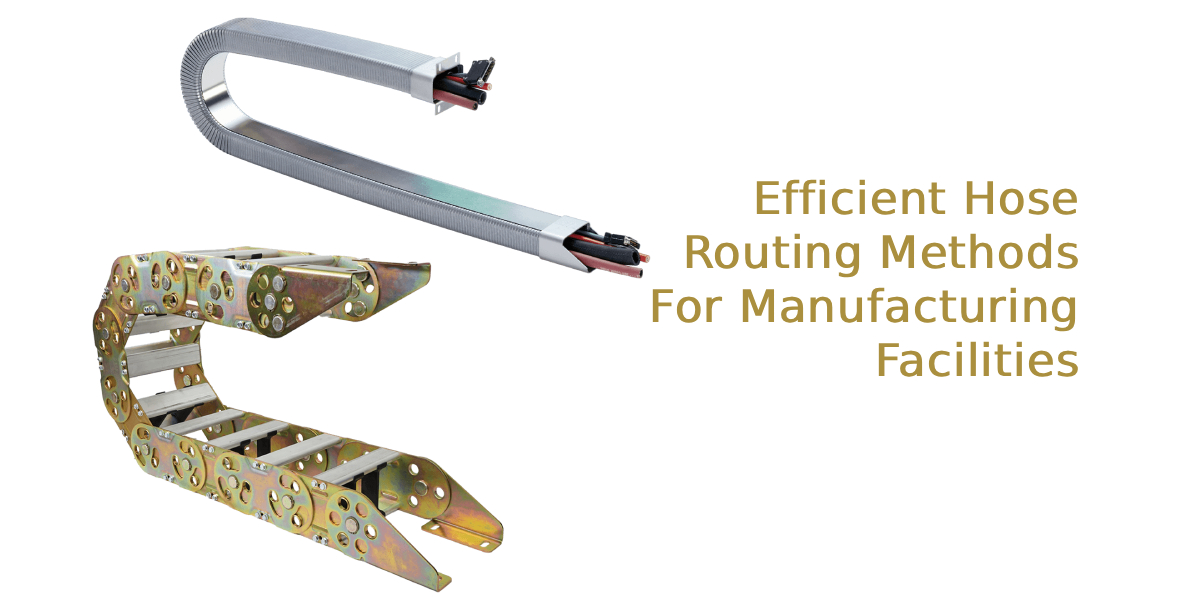
Support systems make or break a hose routing setup. When evaluating industrial hose carrier options, facility managers should consider factors like load capacity, the environment the carrier will operate in, and how frequently maintenance access will be needed. Cable and hose carrier chains, also called energy chains, are popular choices in automated environments because they guide hoses through repetitive motion without putting stress on the hose itself. Rigid clamps, spring hangers, and roller supports each have their place depending on whether the hose is stationary or needs to flex during operation.
Minimizing Bend Radius Violations
One of the most common causes of hose failure is bending beyond the manufacturer’s specified minimum bend radius. Hoses bent too tightly will crack internally long before any visible damage appears on the outside. Facilities should mark minimum bend radius requirements on installation diagrams and make them part of standard maintenance checklists. Routing hoses through wider arcs, even if it means a longer run, is almost always the better choice.
Protecting Against Abrasion And Environmental Hazards
Hoses that run near sharp edges, hot surfaces, or high-traffic areas need protection. Some effective options include:
- Spiral wrap and sleeve guards for general abrasion resistance
- Firesleeve for hoses running near exhaust systems or open flame
- Conduit routing for hoses in areas with heavy foot or forklift traffic
- Anti-chafe tape for localized contact points
Protecting hoses from their environment reduces replacement frequency and keeps operations running smoothly.
Accounting For Movement And Flexibility
In dynamic applications where machinery moves during operation, hoses need slack. Too little slack causes tension and fatigue at the connection points. Too much slack creates loops that snag on equipment or drag on the floor. A good rule of thumb is to allow for the full range of motion the equipment goes through and then add a small buffer. Swivel fittings can also reduce stress at connection points by allowing rotation without twisting the hose body. Facilities that take the time to test hose routing through the full range of motion during installation catch potential issues before they become operational problems.
Labeling And Documentation
Once hoses are routed and secured, documentation becomes critical. Facilities that maintain detailed records of hose runs, including hose type, pressure rating, installation date, and routing path, are far better positioned to handle repairs quickly. Color-coding hoses by system type, such as hydraulic, pneumatic, or coolant, helps technicians identify the right line without guesswork. Simple. Efficient. Effective.
Consistent labeling paired with regular inspection schedules keeps hose systems performing at their best and reduces the chance of an unplanned shutdown bringing production to a halt.
