 Blogging Heros
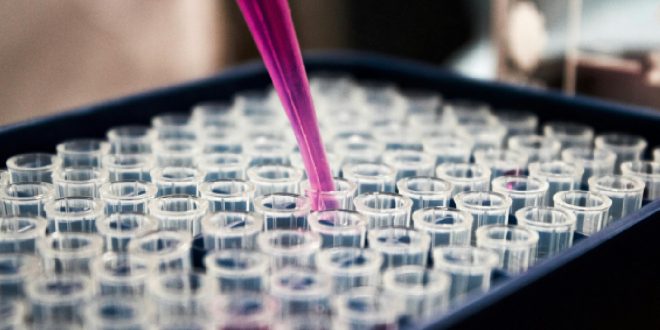
Medicine is a constantly evolving field that’s shaped by scientific breakthroughs; advanced technologies; and a growing need for safer, more effective treatments along with many other factors. As global health challenges become more complex, research organizations play a critical role in bridging the gap between laboratory studies and actual patient care. Through innovative methodologies and rigorous clinical trials, today’s medical research specialists help transform promising ideas into working treatments that improve lives.
One of the frontrunners in this ongoing effort is the Advanced Research Institute. Its experts focus on medical research and clinical trials that foster the development of new drugs and treatment approaches. By combining scientific expertise with structured research processes, the institute contributes valuable advancements that help move drug candidates through early discovery and clinical testing. Their innovations and insights drive developments in medicine while also maintaining a commitment to data integrity and patient safety.
Translational Research
One of the key areas that’s driving progress in drug discovery is translational research. This approach focuses on turning basic scientific findings into practical medical applications. By closely connecting laboratory research with clinical studies, researchers can better understand how a drug behaves in the human body and refine it accordingly. This reduces risks and helps promising treatments reach patients more efficiently. Organizations that are engaged in translational research play essential roles in accelerating innovation without compromising quality.
Clinical Trials
Clinical trials are another important component of effective drug development. Carefully designed trials provide the data needed to determine whether a treatment is safe, effective, and appropriate for broader use. From early-phase studies that evaluate dosage and safety to later-phase trials that confirm effectiveness across larger populations, each step in this process is crucial. Researchers who conduct clinical trials must follow strict regulatory guidelines to ensure that ethical standards are upheld and participants’ well-being remains their top priority.
Technological Advancements
Technology has also become a powerful driver of innovation in drug discovery. Advanced data analytics, artificial intelligence, and digital modeling tools now allow researchers to analyze vast datasets, identify potential drug targets, and predict outcomes faster and more accurately. These tools can shorten development timelines and help researchers make more informed decisions early on in the process. When it’s integrated into research workflows, technology improves precision while supporting evidence-based conclusions.
Improved Collaboration
Collaboration is another defining feature of modern medical research. Drug discovery rarely happens in isolation; it often involves partnerships between research institutes, pharmaceutical companies, academic organizations, and healthcare providers. These collaborations bring together diverse expertise and perspectives, which leads to stronger study designs and more meaningful results. Through improved collaboration, medical research and development experts help ensure that drug discoveries are both scientifically sound and clinically relevant.
Patient-Centered Approaches
Focusing on patient-centered approaches is equally important. Today’s drug development efforts increasingly revolve around patient experiences, diversity in trial participation, and real-world outcomes. Including a broad range of participants helps ensure that new treatments are effective across different populations. This inclusive approach strengthens the reliability of trial results and supports more equitable healthcare solutions.
Fostering Improvements in Medications and Medical Treatments
As the healthcare industry continues to advance, organizations like the Advanced Research Institute will become ever more essential for progress in drug discovery. Their work not only supports scientific innovation but also helps build people’s trust in new treatments through transparency, ethical practices, and rigorous testing. By combining research effectiveness and integrity with clinical insight, organizations that are dedicated to discovery play several vital roles in shaping the future of medicine.


