

Table of Contents
Delaying medical treatment is a common but risky decision, often driven by inconvenience, uncertainty, or the belief that symptoms will resolve on their own. While some minor issues may improve with time, others can escalate quickly when left unaddressed. Postponing care can lead to complications, higher costs, and outcomes that are far more serious than the original condition. Understanding the hidden risks associated with delayed treatment can help individuals make more informed, proactive healthcare decisions.
When Minor Symptoms Turn Into Major Medical Issues
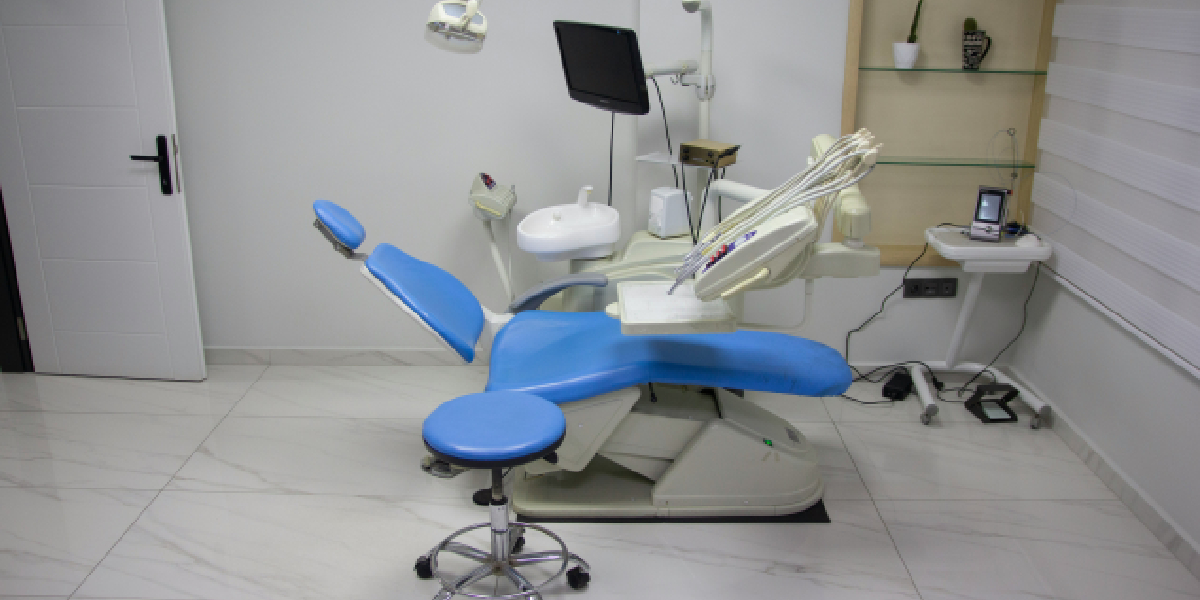
Many health problems begin with subtle or manageable symptoms that are easy to dismiss. Tooth pain, mild swelling, or intermittent discomfort may not feel urgent, but they can signal underlying infections that worsen rapidly. Clinical data shows that dental-related complaints frequently progress to severe infections when care is delayed, accounting for most hospital admissions originating from emergency department visits tied to dental issues. This pattern highlights how ignoring early warning signs can transform a treatable condition into a medical emergency requiring hospitalization.
Once an infection spreads beyond its initial site, treatment becomes more complex and invasive. Patients may face intravenous antibiotics, surgical intervention, or extended recovery periods. Early evaluation by an appropriate provider can often prevent escalation, underscoring the importance of timely care even for symptoms that appear minor at first glance.
How Delayed Care Impacts the Patient Experience
Beyond medical outcomes, delaying treatment can significantly affect the overall care experience. Patients who wait until symptoms become severe are more likely to seek help in high-pressure environments, such as emergency departments, where wait times are longer and care is focused on stabilization rather than comfort or convenience. Research comparing care settings has found that patients visiting walk-in clinics reported higher satisfaction across all measured areas than those treated in emergency departments, even after adjusting for 12 different patient characteristics.
This difference in satisfaction often reflects shorter wait times, clearer communication, and a more personalized approach to care. By addressing health concerns earlier in appropriate settings, patients not only reduce medical risk but also improve their overall experience. Delaying treatment limits these options and frequently forces patients into settings that are less efficient for non-life-threatening conditions.
The Broader Health Risks of Postponed Treatment
Delayed treatment does not only affect individual outcomes—it can also have broader public health implications. Certain infections progress quietly before becoming severe, placing both patients and communities at risk. Legionnaires’ disease is one example of an illness that can escalate rapidly if not diagnosed and treated early. Each year, between 8,000 and 18,000 people in the United States require hospitalization due to this condition, often because symptoms were initially mistaken for less serious respiratory issues.
When treatment is postponed, infections like these can lead to complications such as pneumonia, respiratory failure, or prolonged hospital stays. Early medical evaluation improves the chances of faster recovery and reduces strain on healthcare systems. Recognizing when symptoms warrant prompt attention is critical for both personal health and public safety.
Why Early Intervention Leads to Better Outcomes
Seeking care early allows healthcare providers to intervene before conditions become complex or dangerous. Early treatment often involves simpler therapies, lower costs, and shorter recovery times. It also reduces the likelihood of emergency interventions, hospital admissions, and long-term health consequences. In many cases, timely care preserves quality of life and prevents disruptions to work, family responsibilities, and daily routines.
Proactive healthcare decisions also empower patients. Instead of reacting to emergencies, individuals who address symptoms early can choose care settings that align with their needs, schedules, and preferences. This approach fosters better communication, stronger provider relationships, and improved adherence to treatment plans.
Delaying medical treatment carries risks that extend far beyond temporary discomfort. From preventable hospital admissions and lower patient satisfaction to serious infectious disease complications, postponing care can have lasting consequences. Recognizing early symptoms, choosing appropriate care settings, and acting promptly are essential steps in protecting both individual and public health. When it comes to medical concerns, timely action is often the difference between a manageable issue and a major health crisis.
