Blogging Heros
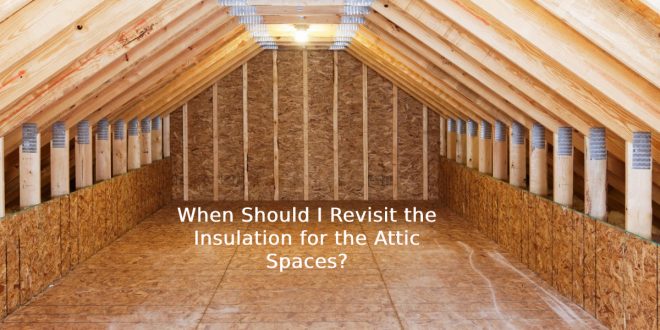
The EPA estimates that the average homeowner could save about 15% of their cooling and heating bills if they properly insulate the attic and seal their homes. This keeps the warm air in during the cold winter months and the cold air in during the warm summer months.
This guide will help you perform your own insulation for the attic inspection.
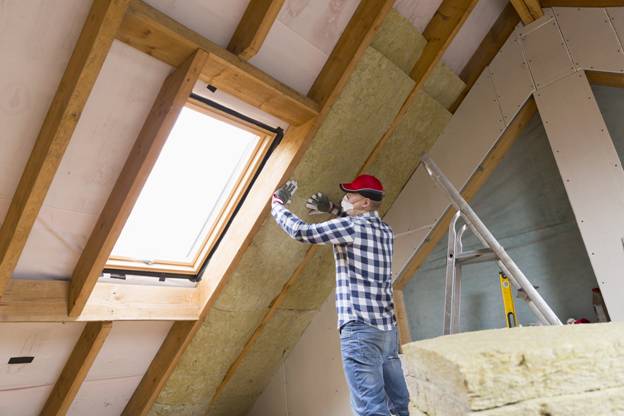
How Often Should You Check Attic Insulation?
You should give your attic a once-over every three to six months. You should look for leaks, mold, mildew, bacteria, or signs of pests. Because your attic is a place you do not normally inhabit, these things can go unchecked and become a big issue quickly.
Performing an attic inspection can help you address common attic complaints. These are some of the most common.
- Hot and cold spots
- High energy bills
- Poor air quality
- Mold and moisture
- Ice dams
- Structural issues
- Fire hazards
What to Look For During an Inspection
When looking for signs of leaks, you should inspect your attic on a day when you experience heavy rain. This is when leaks are most likely to happen. You will see wet spots, watermarks, or mold growth.
You may smell mold or mildew before you see it. So, pay attention to the smells you find in your attic.
If you feel the wind or air movement, then you may have an air leak. The problem with this is that the cold and warm air can move from inside and outside of the home. This increases your home’s heating and cooling costs.
Do not confuse the vents for leaks. You need the vents to allow for airflow to prevent moisture buildup in your attic.
However, these vents are covered with a grate and strategically placed for effectiveness. If you feel air movement somewhere else, then this is an issue.
Pests like your attic because they can peacefully burrow in the insulation to create dens. Look for droppings or torn-up insulation that gets created when they make tunnels.
When to Replace Old Insulation
Even if you don’t have any of these issues in your attic insulation, you may still need to replace your insulation. You can click here and schedule an insulation replacement.
The original builder of your home may not have added enough insulation in the first place. If it’s thin, patchy, or low quality, then you’ll want to replace it and upgrade it with better quality insulation.
While insulation can last 80 to 100 years, fiberglass bats tend to shed the fiberglass fibers starting within the first 10 to 15 years. This means that it can become less effective over time. Replacing your insulation can lower your home’s energy costs by it being more effective than your old batting.
Plan Your Insulation for the Attic Replacement
If you inspect your insulation for the attic and find any of these issues, then it’s time to schedule a replacement. This adds fresh insulation to your home so that you can improve your attic’s ability to retain warm or cold air. Schedule a professional to come out and remove the old insulation and add new.
Check out our other home articles for more helpful advice on keeping your home in its best condition.