Blogging Heros

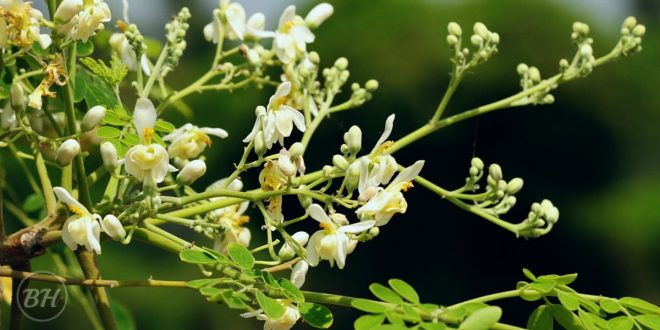
Nature has always been humanity’s first pharmacy. Long before laboratories, capsules, and clinical trials, people across the world relied on trees, herbs, and plants for nourishment and healing. Among these botanical treasures stands the Sajna tree, a remarkable plant that has quietly served traditional medicine systems for centuries and is now gaining recognition in modern health and wellness circles.
Known scientifically as Moringa oleifera, the Sajna tree is often referred to as the “miracle tree” or “drumstick tree.” In South Asia, Africa, and parts of Southeast Asia, it is woven into daily life—used as food, medicine, and even livestock feed. Today, as interest in natural, plant-based health solutions grows, researchers and health enthusiasts alike are rediscovering its immense value.
In this in-depth blog, we will explore the Sajna tree from root to leaf—its history, nutritional richness, medicinal uses, and how ancient wisdom aligns beautifully with modern science. By the end, you’ll understand why this humble tree is celebrated worldwide and how its benefits can support overall health and well-being.
Understanding the Sajna Tree
Botanical Overview
The Sajna tree (Moringa oleifera) is a fast-growing, drought-resistant tree native to the Indian subcontinent. It thrives in tropical and subtropical climates and can grow up to 10–12 meters tall. Almost every part of the tree—leaves, pods, seeds, flowers, bark, and roots—has nutritional or medicinal value.
Key characteristics include:
- Soft, feathery green leaves
- Long, slender seed pods (commonly called drumsticks)
- Small white or cream-colored flowers
- Deep taproots that help the tree survive harsh conditions
Because of its adaptability, the Sajna tree is now cultivated across Africa, Latin America, and parts of Asia, making it one of the most sustainable medicinal plants in the world.
Historical and Cultural Significance
Roots in Traditional Medicine
The Sajna tree has a long-standing place in Ayurveda, Unani, and Siddha medicine systems. Ancient Ayurvedic texts describe it as a plant capable of balancing all three doshas—Vata, Pitta, and Kapha—making it exceptionally versatile in treatment.
Traditionally, it has been used to:
- Strengthen immunity
- Improve digestion
- Reduce inflammation
- Support heart and liver health
In African folk medicine, Sajna leaves and seeds were used to combat malnutrition and treat infections. In Southeast Asia, its pods became a staple vegetable, valued for both taste and health benefits.
Symbol of Life and Resilience
Beyond medicine, the Sajna tree symbolizes resilience and nourishment. In regions prone to drought and famine, it has served as a reliable food source, earning respect as a “life-saving tree.”
Nutritional Powerhouse: What Makes Sajna Tree So Special
One of the main reasons the Sajna tree is revered is its extraordinary nutritional profile. Its leaves, in particular, are packed with essential nutrients.
Rich in Vitamins
Sajna leaves contain:
- Vitamin A – supports vision, skin health, and immunity
- Vitamin C – boosts immune defense and fights oxidative stress
- Vitamin E – protects cells from free radical damage
- B-complex vitamins – support energy metabolism and brain function
Gram for gram, Sajna leaves can contain more vitamin C than oranges and more vitamin A than carrots.
Mineral Abundance
The tree is also rich in vital minerals such as:
- Calcium for strong bones and teeth
- Iron for healthy blood and oxygen transport
- Potassium for heart and muscle function
- Magnesium for nerve and muscle health
This mineral density makes the Sajna tree especially valuable in combating nutritional deficiencies.
High-Quality Plant Protein
Unlike most plants, Sajna leaves provide all nine essential amino acids, making them a rare and complete plant protein source. This is particularly beneficial for vegetarians and vegans.
Traditional Uses of the Sajna Tree in Healing
1. Digestive Health
In traditional medicine, Sajna leaves and pods were used to improve digestion and relieve constipation. The fiber content supports gut health, while natural compounds stimulate digestive enzymes.
2. Anti-Inflammatory Applications
Ayurvedic practitioners have long used Sajna bark and leaves to reduce inflammation associated with joint pain, arthritis, and swelling. Poultices made from crushed leaves were applied directly to inflamed areas.
3. Immune Support
Decoctions made from Sajna leaves were commonly consumed during seasonal changes to protect against infections, colds, and fevers.
4. Skin and Wound Care
The antiseptic and antimicrobial properties of Sajna were utilized to clean wounds and promote faster healing. Oils extracted from its seeds were applied to skin for nourishment and protection.
Modern Science Meets Ancient Wisdom
As interest in natural remedies grows, scientific research has begun validating many traditional claims about the Sajna tree.
Antioxidant Properties
Modern studies reveal that Sajna leaves are rich in antioxidants such as quercetin, chlorogenic acid, and beta-carotene. These compounds help neutralize free radicals, reducing oxidative stress linked to aging and chronic diseases.
Anti-Diabetic Effects
Research suggests that Sajna leaf extracts may help regulate blood sugar levels by improving insulin sensitivity and reducing glucose absorption. This aligns with its traditional use in managing symptoms associated with diabetes.
Heart Health Support
The combination of antioxidants, fiber, and anti-inflammatory compounds in Sajna contributes to improved cardiovascular health. Studies indicate potential benefits in lowering cholesterol levels and supporting healthy blood pressure.
Liver Protection
The liver plays a crucial role in detoxification. Sajna leaf compounds have shown hepatoprotective effects, helping protect the liver from toxin-induced damage.
Sajna Tree Benefits for Daily Wellness
The growing popularity of natural supplements has brought Sajna Tree Benefits into mainstream wellness conversations. Let’s explore how different parts of the tree support everyday health.
Leaves: The Green Gold
Sajna leaves are consumed fresh, cooked, or dried into powder. Benefits include:
- Increased energy and vitality
- Improved immunity
- Better digestion
- Enhanced skin and hair health
Leaf powder is often added to smoothies, soups, or teas for a nutritional boost.
Pods: Nutritious and Delicious
The young pods are widely used in cooking, especially in curries and soups. They are rich in fiber and help:
- Support digestive health
- Reduce inflammation
- Provide essential vitamins
Seeds: Small but Powerful
Sajna seeds are known for:
- Supporting heart health
- Providing healthy fats
- Natural water purification properties
Seed oil, often called “ben oil,” is prized in cosmetics for its moisturizing and anti-aging properties.
Flowers and Bark
Sajna flowers are edible and traditionally used to support urinary health, while the bark has been used in small doses for digestive and circulatory benefits.
Role of Sajna Tree in Combating Malnutrition
One of the most impactful global uses of the Sajna tree is in addressing malnutrition. Organizations worldwide promote its cultivation in vulnerable communities.
Why Sajna is Ideal for Nutrition Programs
- Grows quickly in poor soil
- Requires minimal water
- Provides year-round nutrition
- Easy to harvest and process
Sajna leaf powder is often added to meals for children and pregnant women to combat vitamin and mineral deficiencies.
Sajna Tree in Modern Diets and Lifestyles
Today, the Sajna tree has found its way into modern kitchens and wellness routines.
Functional Foods and Supplements
You can now find Sajna in:
- Capsules and tablets
- Green powders
- Herbal teas
- Energy bars and health drinks
These products make it easier for people to experience Sajna Tree Benefits even without access to fresh leaves or pods.
Plant-Based and Sustainable Living
For individuals embracing plant-based diets, Sajna offers a sustainable, nutrient-dense alternative to animal-based proteins and supplements.
Safety, Dosage, and Considerations
While the Sajna tree is generally safe, moderation is key.
Recommended Use
- Leaves and pods are safe for daily consumption in food amounts
- Leaf powder supplements should be taken as per recommended guidelines
- Pregnant women should avoid consuming root and bark extracts, as they may have uterine-stimulating effects
As with any herbal product, consulting a healthcare professional is advisable, especially for those with medical conditions.
Environmental and Economic Importance
Beyond personal health, the Sajna tree plays a vital role in environmental sustainability.
Eco-Friendly Benefits
- Prevents soil erosion
- Improves soil fertility
- Acts as a natural air purifier
Economic Empowerment
Cultivating and processing Sajna creates income opportunities for rural communities, particularly women, making it a powerful tool for sustainable development.
Bridging Tradition and Modern Health
What makes the Sajna tree truly remarkable is how seamlessly it bridges ancient wisdom and modern science. Traditional healers recognized its value centuries ago, and today’s research continues to uncover new dimensions of its potential.
From supporting immunity and heart health to addressing malnutrition and promoting sustainable living, the tree stands as a symbol of holistic well-being. The renewed global interest in Sajna Tree Benefits reflects a broader shift toward natural, preventive, and integrative health approaches.
Conclusion: The Timeless Value of the Sajna Tree
The Sajna tree is far more than a botanical curiosity—it is a living testament to nature’s ability to nourish, heal, and sustain life. Its leaves feed the body, its compounds protect against disease, and its resilience inspires sustainable practices worldwide.
As modern lifestyles push us toward processed foods and synthetic solutions, rediscovering plants like the Sajna tree reminds us that some of the most powerful health answers are rooted in tradition. Whether consumed as food, taken as a supplement, or cultivated for community well-being, the Sajna tree continues to offer immense value.
By embracing the wisdom of the past and the insights of modern science, we can fully appreciate why this humble tree has earned its reputation as one of nature’s greatest gifts—and why its benefits will remain relevant for generations to come.