Blogging Heros
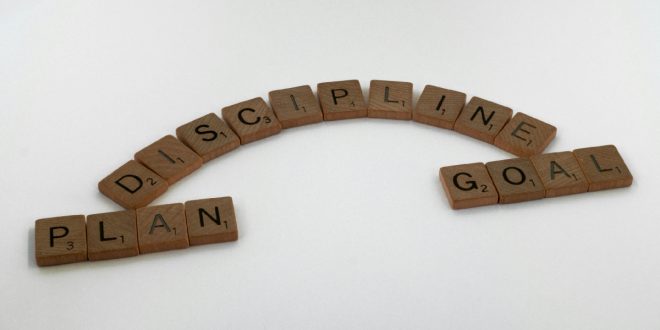
Success rarely comes from motivation alone. Motivation is emotional. It rises and falls. Discipline, on the other hand, is structural. It stays when motivation disappears. If you’ve ever started a workout routine, a business idea, a study plan, or a healthy habit only to quit after a few weeks, you don’t lack ambition—you likely lack systems.
This guide will show you How to Build Self Discipline in a practical, realistic, and sustainable way. Not through extreme routines. Not through guilt. But through science-backed strategies, identity shifts, and small daily actions that compound into extraordinary results.
Let’s break it down step by step.
Why Self-Discipline Matters More Than Motivation
Think about the most successful people in the world. Athletes, entrepreneurs, writers, scientists. Their results didn’t come from “feeling inspired” every day. They came from showing up consistently—especially when they didn’t feel like it.
For example, Michael Jordan didn’t become great because he felt motivated every single day. He became great because he practiced relentlessly.
Elon Musk didn’t build companies by waiting for inspiration. He worked through discomfort and uncertainty.
Discipline is what bridges the gap between goals and achievements.
Motivation vs Discipline
| Motivation | Discipline |
|---|---|
| Emotional | Structural |
| Temporary | Sustainable |
| External triggers | Internal commitment |
| Starts strong | Finishes strong |
If you want long-term growth, discipline must become your foundation.
The Psychology Behind Self-Discipline
Before learning How to Build Self Discipline, you need to understand how it works internally.
Self-discipline is closely tied to:
- Delayed gratification
- Impulse control
- Habit formation
- Identity alignment
One of the most famous psychological experiments on delayed gratification was conducted by Walter Mischel, known as the Marshmallow Test. Children who resisted eating one marshmallow to receive two later tended to have better life outcomes.
The takeaway? The ability to delay short-term pleasure for long-term gain predicts success.
But here’s the important part: discipline isn’t fixed. It can be trained.
Step 1: Get Clear on Your “Why”
Discipline without purpose feels like punishment.
Ask yourself:
- Why do I want this goal?
- What happens if I don’t achieve it?
- Who do I become if I succeed?
If your goal is vague (“I want to be successful”), your discipline will be weak. If your goal is specific (“I want financial freedom to support my family”), your commitment strengthens.
Write your why down. Read it daily.
Clarity fuels consistency.
Step 2: Start Ridiculously Small
Most people fail because they start too big.
They say:
- I’ll wake up at 5 AM every day.
- I’ll work out 90 minutes daily.
- I’ll study 4 hours non-stop.
And after three days, they quit.
Instead, reduce the barrier.
- 5 pushups.
- 10 minutes of study.
- 1 page of writing.
This method aligns with principles explained in books like Atomic Habits, which emphasizes tiny habits that compound over time.
Small wins build confidence.
Confidence builds momentum.
Momentum builds identity.
Step 3: Design Your Environment for Success
Self-discipline is not about willpower alone. It’s about environment design.
If junk food is on your desk, you’ll eat it.
If your phone is beside you while working, you’ll check it.
Remove friction from good habits. Add friction to bad ones.
Examples:
- Want to work out? Keep your shoes ready.
- Want to read? Keep a book on your pillow.
- Want to avoid social media? Log out of apps.
Your environment should support your goals, not sabotage them.
Step 4: Build Systems, Not Goals
Goals give direction.
Systems create progress.
For example:
- Goal: Lose 10 kg.
- System: Eat healthy 5 days per week + 30-minute walk daily.
If you focus only on the goal, you feel discouraged when results are slow.
If you focus on the system, you win every day you execute.
Consistency beats intensity.
Step 5: Master Delayed Gratification
The biggest enemy of discipline is instant pleasure.
Scrolling social media.
Watching another episode.
Ordering junk food.
To build discipline, practice small acts of delay:
- Wait 10 minutes before giving in to temptation.
- Finish work before checking notifications.
- Save money before spending.
Over time, your brain rewires itself to value long-term rewards more than short-term comfort.
Step 6: Control Your Inner Dialogue
Your mind constantly negotiates with you.
“I’ll start tomorrow.”
“I deserve a break.”
“One day won’t matter.”
Discipline requires conscious interruption of these patterns.
Replace:
- “I don’t feel like it.”
With: - “I don’t need to feel like it.”
Action creates motivation—not the other way around.
Step 7: Track Your Progress Visually
Tracking builds accountability.
Use:
- A habit tracker
- A calendar
- A simple checklist
Each day you complete your habit, mark it. Don’t break the chain.
This technique was popularized by Jerry Seinfeld, who used a calendar method to maintain writing consistency.
Seeing streaks creates psychological pressure to continue.
Step 8: Embrace Boredom
One underrated aspect of learning How to Build Self Discipline is embracing boredom.
Discipline often feels boring.
Repetition.
Routine.
Consistency.
But boredom is a sign of mastery in progress.
When you stop chasing constant excitement and commit to repetition, you separate yourself from most people.
Step 9: Remove All-or-Nothing Thinking
One mistake ruins many people’s consistency.
They miss one workout and think:
“I’ve failed.”
They eat one unhealthy meal and say:
“I might as well quit.”
This mindset destroys discipline.
Instead, follow the 2-day rule:
Never miss twice.
One bad day doesn’t matter.
Two in a row starts a pattern.
Step 10: Build Identity-Based Discipline
The most powerful transformation happens when discipline becomes part of your identity.
Instead of:
- “I’m trying to wake up early.”
Say:
- “I am someone who wakes up early.”
Instead of:
- “I’m trying to be consistent.”
Say:
- “I am disciplined.”
When behavior aligns with identity, consistency becomes natural.
The Role of Habits in Long-Term Discipline
Habits reduce the need for willpower.
When brushing your teeth became automatic, you no longer debated whether to do it. That’s the goal with discipline.
Discipline starts hard.
Habits make it easy.
Eventually, the disciplined action becomes default behavior.
Common Mistakes That Destroy Discipline
Let’s address what usually goes wrong.
1. Overloading Yourself
Too many habits at once leads to burnout.
2. Seeking Perfection
Perfection kills progress.
3. Depending on Motivation
Motivation fades. Structure stays.
4. Comparing Yourself to Others
Your journey is unique. Comparison weakens discipline.
How to Stay Consistent When Life Gets Hard
Life won’t always cooperate.
You’ll feel tired.
Stressed.
Busy.
Unmotivated.
This is when discipline matters most.
Instead of quitting completely, reduce effort but maintain consistency.
- Can’t do 30 minutes? Do 5.
- Can’t write 1,000 words? Write 100.
- Can’t hit the gym? Do pushups at home.
Consistency over perfection.
Discipline and Emotional Regulation
Many people think discipline is about productivity. It’s actually about emotional control.
When you:
- Resist anger
- Avoid impulsive spending
- Stop procrastinating
You are regulating emotion.
Practice pause and reflection. Before reacting, breathe and ask:
“What future do I want?”
That single question strengthens discipline.
Morning and Evening Routines for Discipline
Morning Routine
- Wake at consistent time
- No phone for first 30 minutes
- Movement (stretch/walk)
- Review top 3 tasks
Evening Routine
- Reflect on wins
- Plan tomorrow
- Reduce screen time
- Sleep on time
Routines remove decision fatigue and protect consistency.
The Compound Effect of Discipline
Small daily actions seem insignificant.
But consider this:
If you improve just 1% daily, the compounding effect over a year is massive.
That’s why discipline outperforms bursts of motivation.
Over time:
- 10 pages daily becomes books finished.
- 30 minutes exercise becomes fitness.
- Daily savings become wealth.
Slow is smooth.
Smooth becomes unstoppable.
How to Build Self Discipline When You Feel Lazy
Laziness is often misunderstood.
It’s rarely about lack of capability.
It’s usually:
- Fear of failure
- Overwhelm
- Lack of clarity
- Low energy
Fix the root cause.
Break tasks smaller.
Get proper sleep.
Clarify next step.
Action reduces laziness.
Social Accountability and Discipline
Humans are social creatures.
If you surround yourself with disciplined people, you naturally improve.
Consider:
- Accountability partners
- Study groups
- Fitness communities
Being observed increases commitment.
The 30-Day Discipline Challenge
If you truly want transformation, commit to 30 days.
Choose ONE habit.
Rules:
- Do it daily.
- Track it.
- Never miss twice.
- Reduce difficulty if needed, but don’t quit.
After 30 days, you’ll notice:
- Increased confidence
- Better focus
- Improved self-trust
Self-trust is the ultimate reward of discipline.
Discipline vs Burnout: Know the Difference
Discipline pushes you.
Burnout breaks you.
If you feel constantly exhausted, evaluate:
- Are you sleeping enough?
- Are your goals realistic?
- Are you resting properly?
Sustainable discipline includes recovery.
Rest is part of the system.
The Long-Term Identity Shift
The ultimate goal is not to “try harder.”
The goal is to become someone who:
- Does what they say they’ll do.
- Keeps promises to themselves.
- Prioritizes long-term growth.
Once you see yourself as disciplined, consistency becomes automatic.
Final Thoughts: Discipline Is Freedom
It sounds contradictory, but discipline creates freedom.
- Financial discipline creates financial freedom.
- Health discipline creates physical freedom.
- Time discipline creates lifestyle freedom.
Without discipline, you’re controlled by impulses.
With discipline, you control your direction.
Learning How to Build Self Discipline is not about becoming robotic. It’s about aligning daily actions with your future self.
Start small.
Stay consistent.
Forgive mistakes.
Focus on systems.
Strengthen identity.
One disciplined action today can change your entire life trajectory.
And remember:
You don’t rise to the level of your goals.
You fall to the level of your systems.
Build the system.
Protect the routine.
Stay consistent.
Your future self will thank you.