Blogging Heros
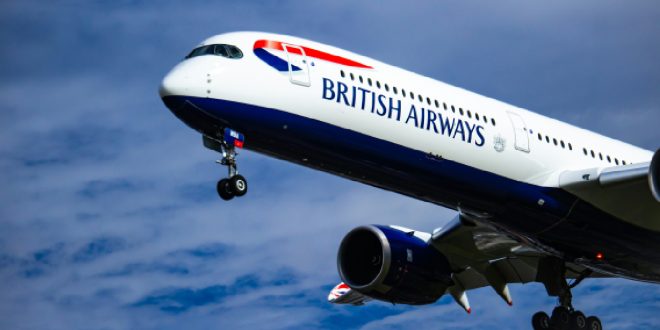
Imagine you’re on a long-haul flight, cruising above the clouds at 35,000 feet, headed to an exotic destination, perhaps Hong Kong. The air is calm, passengers are either watching movies, reading books, or drifting off into a peaceful nap. Suddenly, the calm is shattered. There’s an unexpected announcement over the intercom. The captain’s voice is firm but calm. There’s been a serious issue with the engine, and they’re going to need to make an emergency landing.
This wasn’t a movie. This was real life. And it happened on British Airways Flight BA286 in 2015.
What started as a routine transcontinental flight quickly became a crisis that tested not just the limits of aircraft technology but also the effectiveness of airline safety protocols. It’s not an exaggeration to say that the outcome of this incident changed the landscape of airline safety forever. In this blog post, we’ll take you through the gripping tale of British Airways Emergency Flight BA286, explore how the airline’s response to the crisis unfolded, and discover how this event ignited a shift in global airline safety standards.
The Calm Before the Storm: Flight BA286 Takes Off
On September 1st, 2015, Flight BA286 took off from London Heathrow Airport bound for Hong Kong. The Boeing 777-200ER, carrying 227 passengers and 15 crew members, was gliding smoothly through the sky, and everything seemed normal. Passengers were settling into their routines—some were reading, others were eating, and many were asleep, unaware of the tension quietly building in the cockpit.
The flight was operating at an altitude of 35,000 feet when the unexpected happened. One of the turbines on the aircraft’s engine malfunctioned, triggering an alarm in the cockpit. This wasn’t just any malfunction—this was a serious issue that could potentially put everyone on board at risk. The engine failure meant that the aircraft had to rely on only one engine for the remainder of the journey.
But here’s where things took an interesting turn: British Airways’ crew didn’t panic. They were trained for this. In fact, it was the calm and collected nature of the crew that would define the next few hours of this flight. The question was simple: could they make it to Hong Kong? Or would they have to make an emergency landing somewhere else?
The Decision: Turning Back to Heathrow
The captain and first officer didn’t waste time second-guessing. The aircraft’s engine failure, combined with the increasing fuel consumption, made it clear that the safest course of action was to turn back to London Heathrow—the closest airport with the facilities and personnel to handle an emergency of this magnitude.
For the passengers, however, the reality of the situation was still unclear. What did this mean for them? A missed connection? A delayed flight? Maybe even an emergency evacuation?
As the aircraft’s flight path adjusted, air traffic control was notified, and preparations for an emergency landing began.
The Unexpected Heroes: The Crew
While the passengers were undoubtedly anxious, it was the flight crew’s professionalism and training that made all the difference. Behind the scenes, pilots and air traffic controllers were in constant communication, carefully plotting the best course back to Heathrow. Meanwhile, the cabin crew was busy preparing the cabin for an emergency landing, ensuring passengers were secured in their seats, and making sure that everyone was briefed on what to expect.
But it wasn’t just about following protocol. The real value of the cabin crew’s role came down to something far more critical: calm communication. In times of crisis, passengers often feel a loss of control, and panic can spread like wildfire. The British Airways cabin crew were masters at managing fear and uncertainty, reassuring passengers with a steady voice, keeping them informed, and, most importantly, maintaining an air of calm amidst the chaos.
At this point, passengers were no longer just travelers; they were active participants in the emergency response. Everyone on board was now part of a larger effort to ensure that, at the end of the day, everyone would make it home safely.
The Landing: A Test of Nerves
Now came the moment of truth: the emergency landing. After hours of flight and preparation, the aircraft was ready to descend. The pilots were trained for a situation like this, where one engine had failed, but that doesn’t make the actual landing any less challenging.
The descent into London Heathrow was handled expertly. The aircraft’s remaining engine was working overtime, but the pilots were managing the reduced power with precision. With the runway in sight and the aircraft steadily losing altitude, all eyes were on the tarmac.
For those on the ground, the emergency response teams were ready. Fire trucks, ambulances, and emergency services were all lined up in anticipation of the aircraft’s arrival. This wasn’t your typical landing; there was the very real possibility that an evacuation might be necessary.
But, against all odds, Flight BA286 touched down without incident. The crowd watching from the ground erupted into applause as the aircraft came to a safe stop. Passengers were able to disembark in an orderly fashion, with everyone, miraculously, unharmed.
The Aftermath: What Happens Next?
While the passengers and crew of Flight BA286 were undoubtedly relieved, there was no time for celebration. This was just the beginning. The moment the aircraft was safely on the ground, investigations began. Aviation authorities like the UK Civil Aviation Authority (CAA) and European Union Aviation Safety Agency (EASA) immediately launched their reviews into the engine failure, but more importantly, into how the incident had been handled.
British Airways Emergency Flight BA286 had become a case study in how to manage in-flight crises, but also a pivotal moment that would forever change airline safety protocols across the globe.
How British Airways Emergency Flight BA286 Changed Safety Protocols
A Closer Look: The Changes Post-BA286
What made British Airways Emergency Flight BA286 so significant was not just the fact that it ended in a safe landing, but the lessons learned from it that would reshape how airlines approach safety.
After the incident, British Airways and aviation authorities worldwide introduced several key improvements:
| Safety Aspect | What Changed | Impact |
|---|---|---|
| Engine Maintenance | Airlines updated engine inspection protocols, focusing on the potential failure of critical components. | Reduced engine-related incidents, improving overall fleet reliability. |
| Crew Training | Enhanced simulator-based training for engine failure scenarios, especially involving partial engine operation. | Increased crew preparedness and confidence in handling emergencies. |
| Passenger Communication | Better crisis communication techniques, emphasizing transparency and reassurance during emergencies. | Reduced panic and better-managed passenger behavior during crises. |
| Emergency Equipment | Upgrades to emergency landing protocols, including additional life-saving equipment. | Enhanced passenger safety during evacuation procedures. |
A Ripple Effect Across the Aviation Industry
It wasn’t just British Airways that took a hard look at its safety procedures after this event. Global airlines began to reevaluate their own practices, leading to a wave of safety improvements across the board. Other airlines were particularly interested in how BA286’s crew managed the crisis with such composure, prompting changes in training programs for both flight deck and cabin crews.
From updated emergency landing drills to faster communication systems between the cockpit and cabin crew, the aviation industry began to embrace a culture of continuous improvement.
In addition to the technical changes, this event served as a stark reminder of how crucial human behavior is during a crisis. The ability to stay calm, communicate effectively, and make quick decisions was the true hero of the story.
Conclusion: A Legacy of Safety
At the end of the day, British Airways Emergency Flight BA286 became more than just a memorable moment in aviation history. It was a turning point. It proved that well-trained crews, clear communication, and efficient emergency procedures could make all the difference in the world. The incident had a lasting impact on the airline industry’s safety protocols, leaving a legacy that continues to influence how airlines operate today.
The next time you board a flight, you might not realize it, but the improvements made in the wake of BA286 could very well be helping to ensure your safety. It’s not just about technology—it’s about the people who are trained to handle the unimaginable.
And that’s something worth flying with.