 Blogging Heros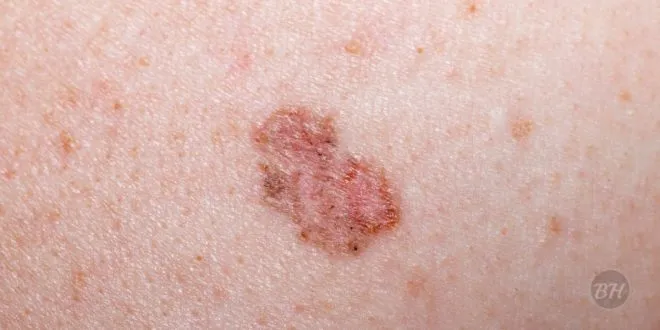
Skin cancer is one of the most common cancers in the world, and among its different types, Plattenepithelkarzinom stands out as a serious and increasingly prevalent condition. Known in English as Squamous Cell Carcinoma (SCC), Plattenepithelkarzinom develops in the squamous cells — flat cells located in the outer layers of the skin and in several other organs of the body. Although the disease is most often found on sun-exposed skin, it can appear anywhere squamous cells exist, including the lungs, throat, and genitals.
In this complete guide, you’ll learn everything you must know about Plattenepithelkarzinom—what it is, why it happens, how to identify signs early, and the most advanced treatment and preventive options available today.
Understanding Plattenepithelkarzinom (Squamous Cell Carcinoma)
Plattenepithelkarzinom (SCC) is a malignant tumor that forms when squamous cells start to grow uncontrollably due to DNA damage—most commonly from prolonged UV exposure. While many SCCs grow slowly and are treatable if detected early, some forms are aggressive and can spread (metastasize) to lymph nodes, bones, or internal organs.
Key Characteristics:
- Originates in squamous epithelial cells
- Typically affects skin, but can appear on mucous membranes
- Often linked to UV radiation, weakened immune system, or chronic skin damage
- Second most common form of skin cancer
- Can be life-threatening if neglected
Why Plattenepithelkarzinom Happens: Causes & Risk Factors
The biggest enemy of healthy skin cells? Ultraviolet (UV) radiation.
When the skin is overexposed to UVA/UVB rays—from sunlight or artificial tanning—cellular DNA becomes damaged. Over time, these damaged cells may mutate and turn cancerous.
Major Causes:
- Excessive sun exposure
- Tanning beds & lamps
- Radiation exposure
- Carcinogens like arsenic and chemicals in industrial workplaces
- Chronic wounds or burns
- Human Papillomavirus (HPV) infection (especially in genital SCC)
High-Risk Groups:
You may have a higher chance of developing SCC if you:
| Risk Factor | Why It Matters |
|---|---|
| Fair skin, light eyes, red/blonde hair | Less melanin protection against UV |
| Age > 50 years | Accumulated lifetime sun damage |
| Outdoor lifestyle or job | Increased UV exposure |
| History of skin cancer | Higher recurrence risk |
| Immunocompromised individuals (transplant patients, HIV infection) | Less defense against abnormal cell growth |
| Chronic inflammatory skin diseases | Damaged tissue can become cancerous |
How Common Is Plattenepithelkarzinom?
- It is the second most common type of skin cancer globally.
- Over 1.8 million new SCC cases are diagnosed every year (approx. global estimate).
- Incidence continues to rise due to UV exposure trends and ageing populations.
Early detection plays the most important role in successful treatment.
Symptoms: What Does Plattenepithelkarzinom Look Like?
SCC may appear in different shapes and textures depending on its location. Most commonly, it develops on:
- Face
- Lips
- Scalp
- Ears
- Hands & arms
- Neck
- Lower legs (especially women)
Common Skin Signs:
Look out for any skin changes that persist for more than 2–4 weeks:
✔ Rough, scaly patches
✔ Red, crusted, or thickened skin
✔ A sore that doesn’t heal
✔ A raised growth with a central depression
✔ Wart-like thickened bump
✔ Bleeding or oozing lesion
✔ Pain, itching, or tenderness
Symptoms in Internal Organs:
When SCC forms inside the body:
| Location | Common Symptoms |
|---|---|
| Mouth or throat | Difficulty swallowing, lumps, persistent hoarseness |
| Lungs | Persistent cough, chest pain, breathing difficulty |
| Genitals | Non-healing sores, discomfort, bleeding |
If any of these symptoms persist, consult a dermatologist or specialist immediately.
Diagnosis: How Doctors Confirm SCC
Diagnosis begins with a physical examination. If cancer is suspected, further tests include:
Main Diagnostic Methods
| Test | Purpose |
|---|---|
| Skin Biopsy | Gold standard—removes tissue for lab testing |
| Dermoscopic examination | Detailed view of suspicious lesions |
| Imaging tests (CT, MRI, PET)** | Used if SCC may have spread |
| Lymph node evaluation | Detects metastasis |
Proper and early diagnosis increases the chance of complete cure.
Treatment Options for Plattenepithelkarzinom
The treatment depends on:
- Tumor size
- Depth of invasion
- Location on body
- Patient’s overall health
- Whether it has spread
Below are the most widely used and effective treatments.
1️⃣ Surgical Treatments
Surgery is the most common method and has a very high cure rate when SCC is detected early.
A. Excisional Surgery
The tumor is cut out along with a margin of healthy skin to ensure complete removal.
B. Mohs Micrographic Surgery
A precise technique removing cancer layer-by-layer and examining each under a microscope.
📌 Best for:
- Facial areas (nose, eyelids, lips)
- Recurrent cancers
- Aggressive tumor types
💡 Highest cure rate and best cosmetic outcome.
C. Curettage and Electrodessication
Scraping away tumor cells followed by electric current to kill remaining cells.
Effective for small & superficial tumors.
2️⃣ Radiation Therapy
Used when:
- Surgery is not feasible due to location
- Patient has other medical complications
- Cancer is more advanced
High-energy rays target and destroy cancer cells. May be used post-surgery to prevent recurrence.
3️⃣ Cryotherapy (Freezing Therapy)
Liquid nitrogen freezes and destroys abnormal tissue.
Typically for early-stage SCC in situ (Bowen’s disease).
4️⃣ Photodynamic Therapy (PDT)
A combination of:
- Light-sensitive drug
- Laser light activation
Destroys cancer cells with minimal scarring.
5️⃣ Topical Medications
For very superficial cancers:
| Drug | How it Works |
|---|---|
| 5-Fluorouracil (5-FU) | Kills rapidly dividing cancer cells |
| Imiquimod cream | Stimulates immune system to fight cancer |
Often used for pre-cancerous lesions like actinic keratosis.
6️⃣ Systemic & Advanced Therapies
If SCC spreads beyond the skin, treatment becomes more aggressive.
A. Chemotherapy
Uses powerful drugs to target cancer cells throughout the body.
B. Immunotherapy
The newest breakthrough in treating advanced SCC.
Common drugs:
- Cemiplimab
- Pembrolizumab
These help the immune system recognize and attack cancer cells.
C. Targeted Therapy
Drugs that block specific molecular pathways cancer cells rely on.
Stages of Plattenepithelkarzinom
Cancer stages help assess spread and treatment decisions:
| Stage | Description |
|---|---|
| 0 | Only in upper skin layer (in situ) |
| I–II | Growth into deeper layers but localized |
| III | Spread to nearby lymph nodes |
| IV | Distant metastasis (lungs, bones, organs) |
Early stages (0–II) have excellent cure rates.
Recurrence and Metastasis Risk
Most SCC cases are curable, but untreated or high-risk cancers may:
- Spread to lymph nodes
- Reach internal organs
- Become life-threatening
Factors Increasing Spread Risk:
- Tumor > 2 cm in size
- Located on lips, ears, or genital areas
- Deep invasion into nerves or bones
- Immunosuppression
- Previous aggressive tumors
📌 Regular follow-up after treatment is critical.
Prevention: How to Protect Yourself
Great news: Most SCC cases are preventable!
☀️ Sun Protection Essentials
| Action | Benefit |
|---|---|
| Broad-spectrum sunscreen SPF 30+ daily | Shields from UVA/UVB damage |
| Protective clothing, hats, sunglasses | Blocks direct exposure |
| Avoid tanning beds | Eliminates artificial UV risk |
| Seek shade (10 AM–4 PM) | UV rays strongest mid-day |
🩹 Skin Care & Health Measures
- Treat chronic wounds and skin inflammation
- Quit smoking (linked to mouth & lung SCC)
- Get HPV vaccination (reduces genital SCC risk)
- Strengthen immune health
Self-Examination Checklist
Perform a skin check once per month:
✔ New or changing moles
✔ Dry, scaly patches that persist
✔ Non-healing sores
✔ Rough, raised bumps
✔ Lip or mouth changes if you smoke or chew tobacco
If any growth lasts more than 4 weeks, see a dermatologist.
Special Considerations for Older Adults
- SCC is much more common after 50 years
- Seniors may not notice skin changes as easily
- Regular dermatology screening is highly recommended
Living With and Beyond Plattenepithelkarzinom
For most people, SCC treatment leads to a full recovery. But emotional and physical healing take time.
Tips for a healthy future:
- Follow-up visits every 3–12 months
- Maintain strict sun protection
- Monitor skin changes closely
- Maintain mental well-being through support groups or counseling
Early detection remains the single best defense.
Key Takeaways
| Quick Summary | What It Means |
|---|---|
| Common skin cancer | Second most frequent skin cancer worldwide |
| Mostly caused by UV exposure | Sun protection is essential |
| Often appears as persistent scaly or crusty lesions | Early changes matter |
| Highly curable when detected early | Regular skin exams save lives |
| Can be aggressive if ignored | Possible metastasis to lymph nodes/organs |
Conclusion
Plattenepithelkarzinom (Squamous Cell Carcinoma) is a common yet serious form of skin cancer. In most cases, it is the result of long-term UV exposure and can often be prevented through responsible sun habits. With proper awareness, early diagnosis, and advanced medical treatments, the majority of SCC cases are highly curable.
Being proactive about your skin health—protecting your skin, noticing changes early, and seeing a dermatologist when needed—is the most powerful way to reduce risk and ensure a healthier future.
If you or someone you care about is dealing with suspicious skin symptoms, don’t wait—early action could save a life.