

Table of Contents
Landscaping affects more than the way a home looks from the street. A well-planned yard can improve curb appeal, support outdoor use, and make the property feel more finished. When landscaping is ignored, overgrown plants, patchy grass, drainage problems, and worn outdoor features can make the home look less cared for. Prioritizing the right landscaping projects helps homeowners spend wisely while creating a space that is easier to enjoy and maintain.
Plan Landscaping Around Long-Term Use
The first thing to know is that landscaping should support how the property is actually used. A front yard may need clean edging, healthy grass, and balanced planting beds to create a welcoming appearance. A backyard may call for shade, walking paths, privacy plantings, or open lawn space for pets, children, or guests. When the design fits daily life, the yard becomes more than decoration.
Homeowners also have many service options when they need professional help. According to RubyHome, the United States has more than 647,741 landscaping businesses. That number shows how common professional landscaping services are, but it also means homeowners should be thoughtful when choosing the right scope of work. The best project is not always the most elaborate one; it is the one that solves practical problems and supports the property’s layout.
Planning ahead can also prevent wasted effort. Planting without considering sunlight, soil, drainage, and mature plant size can lead to crowded beds or struggling greenery. Installing features without thinking about upkeep can also create more work than expected. A long-term plan helps each improvement fit into the bigger picture instead of becoming a disconnected project.
Budget With Property Value in Mind
The second thing to know is that landscaping should be balanced with the value and condition of the home. According to Bankrate, landscaping tends to provide the strongest return on investment when spending equals about 20% to 30% of the overall house value. That does not mean every homeowner needs a large landscaping budget. Instead, it shows the importance of matching outdoor improvements to the property’s price point and long-term goals.
Spending too little can leave obvious problems unresolved, while overspending may not make sense for the neighborhood or home value. A practical budget should focus first on issues that affect appearance, safety, and usability. Dead plants, uneven walkways, drainage concerns, poor lighting, and neglected lawns often deserve attention before purely decorative upgrades. These fixes help the property look maintained and function better.
A landscaping budget should also account for ongoing care. Mulch, pruning, mowing, irrigation, seasonal cleanup, and plant replacement all affect the total cost of maintaining the yard. Choosing lower-maintenance plants, durable materials, and efficient watering methods can help reduce future expenses. Smart spending is not just about the installation; it is also about how manageable the landscape will be after the work is complete.
Maintain the Lawn and Outdoor Features
The third thing to know is that maintenance matters as much as the original design. According to a recent industry survey, America’s interest in lawns remains strong, with 78% of U.S. adults reporting that they have a home with a lawn and/or landscaping. Because lawns and landscaped areas are so common, their condition often influences how people perceive a property. A well-kept yard suggests regular care, while neglected outdoor areas can make the whole home feel less maintained.
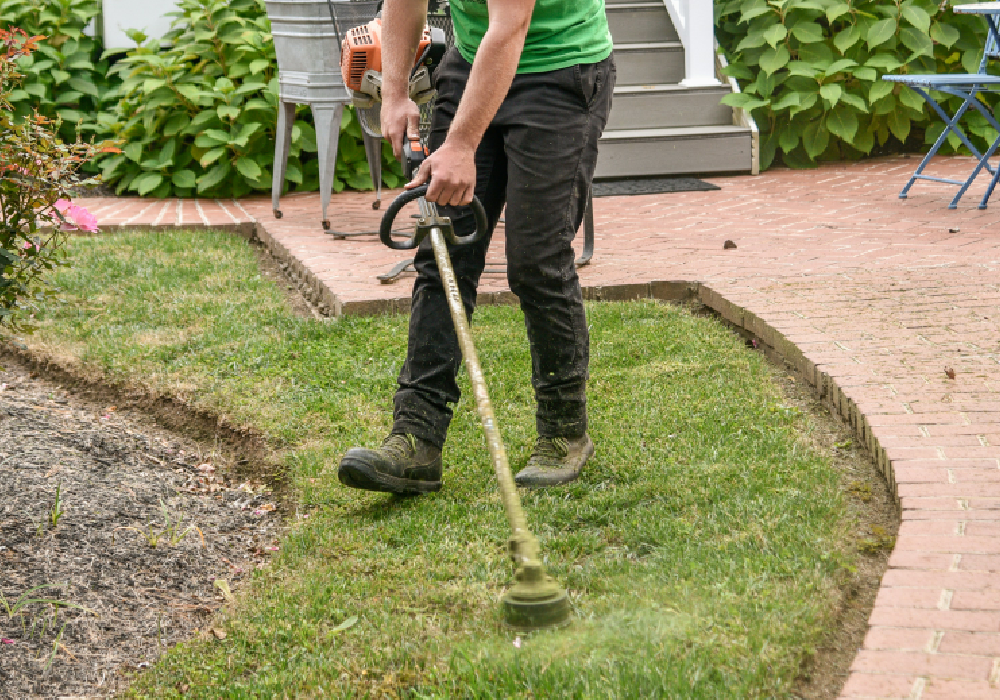
Lawn care should focus on consistency rather than quick fixes. Mowing at the right height, watering appropriately, controlling weeds, and addressing bare spots can help grass stay healthier over time. Trees and shrubs also need periodic pruning to prevent overgrowth, blocked walkways, or contact with the home. Outdoor features such as patios, edging, retaining walls, and lighting should be checked for damage or wear.
Prioritizing landscaping works best when homeowners view the yard as part of the home, not an afterthought. A thoughtful plan, realistic budget, and steady maintenance routine can protect curb appeal and improve daily enjoyment. By choosing projects that match the property’s needs, homeowners can create outdoor spaces that feel attractive, useful, and easier to manage over the long term.
