Blogging Heros


We live in a digital age. We see this in the landscape of business success today. It is shaped by two critical factors: online visibility and reputation.
Businesses are no longer limited by geographical boundaries and traditional advertising methods. Instead, they have the opportunity to reach a global audience through various online channels.
So for small business owners, these elements are not just nice-to-haves. They are essential for survival and growth.
This article breaks down the key aspects of how online visibility and reputation can drive your business success. Let’s dive in!
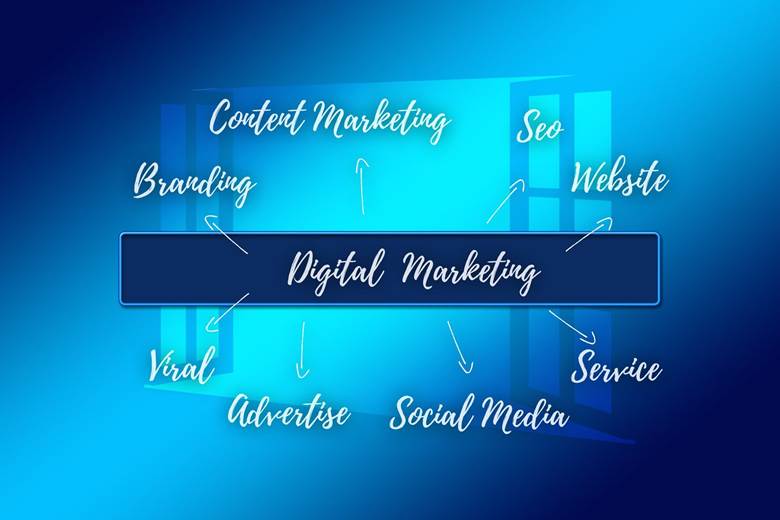
Online Visibility: The Gateway to Customer Acquisition
Online visibility refers to how easily your business can be found. This can be done through online searches, social media platforms, and other digital avenues. It’s about being present where your potential customers are looking.
As a matter of fact, 99% of consumers use the internet to search for local businesses. If your business isn’t visible online, you’re missing out on a vast pool of potential customers.
Without online visibility, your business becomes invisible to the modern consumer. They will likely choose a competitor who has a strong online presence and can be easily found.
So make sure you try out the following strategies to enhance your business online visibility:
Search Engine Optimization (SEO)
Search Engine Optimization (SEO) is the practice of enhancing your website to increase its visibility for relevant searches. The better visibility your pages have in search results, the more likely you are to garner attention. This also attracts prospective and existing customers to your business.
High search engine rankings depend on various factors. This includes the use of the following:
- keywords
- quality content
- backlinks
- technical SEO
Keywords are the terms and phrases that people type into search engines. Using the right keywords in your website content, metadata, and blog posts can impact your search engine ranking. Use tools like Google Keyword Planner to find keywords that are relevant to your business.
Search engines also prioritize websites that offer valuable, relevant content. Regularly update your site with blog posts, articles, and other resources that can benefit your customers. High-quality content not only improves your SEO. It also establishes your authority in your industry.
Backlinks are links from other websites to your site. Search engines consider backlinks as votes of confidence in your content. The more reputable sites that link to your website, the higher your site will likely rank in search engine results.
Lastly, technical SEO involves optimizing the non-content parts of your website. This can include image compression, mobile-friendliness, and page speed. These technical aspects affect your website’s usability and can impact your search engine ranking.
Investing time and resources into SEO will pay off in the long term. It can drive more organic traffic to your site. It can also improve your overall online visibility. Thereby, increasing potential customer engagement and conversion rates.
Social Media Engagement
Social media platforms are another vital aspect of online visibility. With billions of users globally, social media platforms offer unparalleled opportunities. They can be valuable assets for you to reach and engage with your target audience.
Here are some strategies to consider:
- engaging content
- consistent branding
- audience engagement
- paid advertising
Social media thrives on engaging content. Posts that inform, entertain, or provoke thought tend to get shared, increasing your reach. Regularly posting content that resonates with your audience is crucial.
You should also maintain a consistent brand identity across all social media channels. This helps in building brand recognition and trust among your followers.
Social media is not just for broadcasting information. It’s a two-way street. Respond to comments and participate in discussions. Engage with your audience to build a community around your brand.
Lastly, social media platforms offer targeted advertising options. They can help you reach a specific demographic. These paid ads can be a cost-effective way to increase your online visibility and attract new customers.
All these strategies for social media engagement can help boost your online visibility. It can attract potential customers to your business. It can also keep your brand top of mind for existing customers.
Online Directories and Listings
Listing your business in popular online directories and review sites is another way to increase online visibility. These platforms are often the first places people go when searching for products or services.
Make sure your business has a presence in popular directories like Google My Business, Yelp, and Yellow Pages. Encourage satisfied customers to leave reviews as positive reviews can impact potential customers’ decision-making process.
These sites also provide credibility and legitimacy to your business. This can help build trust with potential customers.
Reputation: The Key to Customer Retention
In today’s connected world, a good reputation is critical for businesses of all sizes. Online reviews are the new word-of-mouth recommendations. So it’s essential to monitor and manage your online reputation.
A positive online reputation can have a significant impact on your business success, including:
- customer retention
- trust and credibility
- increased sales
A good reputation can help you retain existing customers. Satisfied customers are more likely to continue doing business with you and even refer others to your company.
On the other hand, a negative reputation can drive away loyal customers. A bad review or social media comment can quickly spread and damage your brand’s credibility.
Having a strong online reputation also builds trust and credibility with potential customers. Positive reviews and testimonials from satisfied customers can act as social proof for your business. This can influence potential customers to choose you over your competitors.
Lastly, a good online reputation can also lead to increased sales. Studies have shown that businesses with a positive online reputation attract more customers. They generate more revenue than those with a negative reputation.
So to ensure that you attain the benefits listed above, you need to consider the following strategies:
Online Reputation Management
Reputation management is not just about online reputation monitoring. It is also about addressing online reviews, comments, and mentions about your business.
You need to monitor, review sites, and social media platforms for any feedback or mentions of your business. Respond promptly to both positive and negative reviews. Thank customers for their positive feedback. Then, you need to address any concerns raised in negative reviews.
Secondly, actively engage with your customers on social media. Respond to their comments and messages. This shows that you value customer feedback and are willing to address any issues.
You can even regularly create high-quality content that showcases your products or services. This can also help in managing your online reputation. You can do this by highlighting the positive aspects of your business.
If possible, you should hire an ORM company to handle your online reputation management. They have the expertise and tools to monitor and manage your online presence effectively.
Listen to Customer Feedback
Listening to customer feedback is crucial to building a good reputation. Encourage customers to leave reviews and ratings, whether positive or negative. This shows that you value their opinions and are willing to improve your business.
If there is any negative feedback, address it promptly and offer solutions to resolve the issue. This can turn a dissatisfied customer into a loyal one.
You can also use surveys and feedback forms to gather customer opinions. This will help you identify areas for improvement and enhance your overall customer experience. A happy customer is a key component of a good reputation.
Encourage Customer Advocacy
Satisfied customers can be your biggest advocates. Encourage them to share their positive experiences with others.
You can also implement a referral program where happy customers are rewarded for referring new customers. This not only helps in increasing your customer base. It also builds a strong reputation as satisfied customers share their positive experiences with others.
Leverage Public Relations (PR)
Public relations can help in shaping and managing your business’ public image. It involves building relationships with media outlets and influencers. Digital marketing can only make you visible, PR can get you positive coverage for your company.
Having a good PR strategy can help in building brand awareness, credibility, and trust among potential customers. This also contributes to a solid online reputation.
Invest in Employee Training
Your employees are the face of your business. They interact with customers and represent your brand. So it’s crucial to invest in their training.
Customer service training can help your employees handle customer interactions positively. This can lead to satisfied customers who will then contribute to building a good reputation for your business.
For example, employees can be trained to handle negative reviews and turn them into positive customer experiences. This can help in managing your online reputation effectively.
Online Visibility and Reputation: A Winning Combination
Online visibility and reputation are two crucial components of business success in the digital age. A strong online presence can help attract new customers, while a good reputation can retain them. Investing in strategies to enhance your online visibility and manage your reputation can have a significant impact on your business’s growth and success.
So make sure you prioritize these elements in your overall business strategy. This is the key to long-term success and staying ahead of the competition. Happy marketing!
Did you find this article helpful? If so, check out the rest of our site for more.