


Table of Contents
A commercial property manager is someone who takes care of buildings that are used for business purposes. They make sure everything runs smoothly and that the building is safe and clean. This could include office spaces, malls, or other commercial properties.
Their job is to help the property owner by handling day-to-day problems and making sure tenants are happy. In this blog, we will discuss the 9 key duties of a successful commercial property manager.
1. Tenant Management
Tenant management is a big part of what commercial property managers do. They make sure all the people who rent space, like in offices or stores, are happy and don’t have big problems. Good managers listen to their tenants and fix issues fast, making sure the building is a good place for business.
Part of managing rental management properties also means finding new tenants when spaces become empty. The best managers know how to advertise these spaces to get the right businesses in. They work hard to make sure there are as few empty spaces as possible, which keeps the property making money.
2. Lease Administration
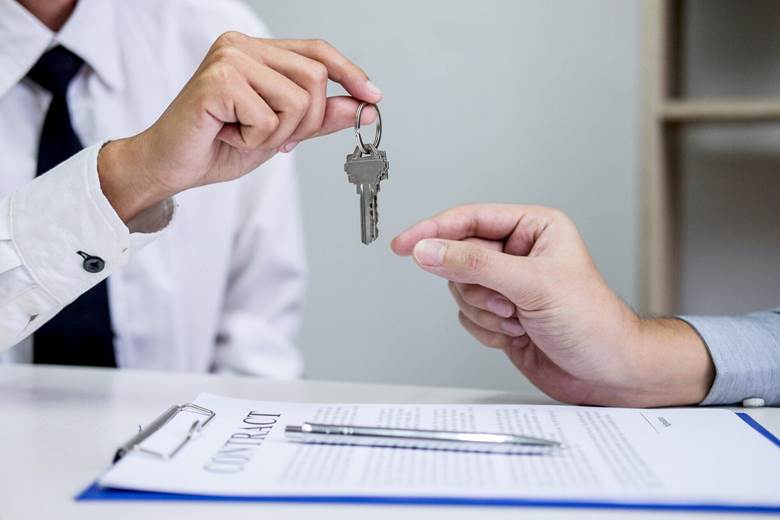
Lease administration is another important part of property manager responsibilities. This means they take care of all the details in the lease documents. These documents are agreements between the property owner and the businesses renting space.
A good property manager will ensure that both the property owner and the tenants understand the lease terms. They check that everyone follows the rules written in the lease. If there are any disagreements or problems, the property manager helps solve them.
3. Maintenance and Repairs
Taking care of the building’s upkeep and fixing things when they break is a big job in realty property management. Property managers check the property often to find any problems. Then, they arrange for someone to fix these issues quickly. This keeps the building in good shape and makes everyone happy.
They also plan regular maintenance to prevent big problems before they happen. This could mean checking the roof, plumbing, or electrical systems. Doing this helps avoid expensive repairs later and keeps the building safe for all.
4. Financial Management
Commercial property managers are responsible for managing the finances of the property. This includes collecting rent from tenants, creating and sticking to a budget, and handling any financial issues that may arise. They also keep track of expenses and make sure all bills are paid on time.
Having good financial management skills is crucial in ensuring the success of a commercial property. Property managers must be organized, detail-oriented, and able to handle large sums of money responsibly.
5. Compliance and Risk Management
Compliance and risk management are key to keeping the property and its tenants safe and within the law. Property managers must know and follow all laws, like those about safety and health. They also look out for any risks that could harm people or the building and work to prevent them.
This means they sometimes have to make tough decisions to make sure everyone is safe and the property meets all legal rules. Ensuring the property sticks to laws helps avoid legal problems and keeps it a safe place for businesses to thrive.
6. Marketing and Advertising
Marketing and advertising are important for property management. By using smart strategies like SEO, they can make their properties stand out online. This means more businesses might want to rent spaces there.
Good ads show off what makes a property great, like its location or facilities. This way, the right kind of businesses will notice and think about moving in. Working on getting the property noticed helps keep it full of tenants, which means it’s successful.
By constantly monitoring the market, commercial property managers can also adjust rental rates to match demand and stay competitive in the real estate industry.
7. Vendor and Contractor Management
Handling vendors and contractors is a big task for commercial property managers. They have to find reliable people to fix or maintain the building. It’s important to choose the right ones who do good work and offer fair prices.
This helps keep the building in top shape without spending too much money. Managers must talk clearly with these workers to make sure jobs are done well and on time. Good communication stops problems and makes sure the building looks great and is safe for everyone.
With a network of reliable vendors and contractors, property managers can quickly address any issues that arise and ensure the building operates smoothly.
8. Property Improvements
Property improvements mean making the building better and more attractive for businesses. This could be fixing up old areas or adding new features like better lighting or a coffee shop. By improving the property, managers can attract more tenants and make the place nicer for everyone.
Managers often plan these changes carefully to make sure they are good for the property. They think about what businesses need and how to make the building the best place to work. Making the property better helps keep it full and makes sure it’s a great place for businesses to grow.
9. Communication and Reporting
Effective communication and regular reporting are vital for a commercial property manager. They keep property owners up to date with everything happening at the property, from maintenance needs to financial updates. By sharing clear reports and updates, they help owners make informed decisions about their property.
Good property managers also ensure that tenants are always in the loop. If there are going to be repairs or improvements, they tell the tenants well in advance. This openness builds trust and maintains a positive atmosphere within the commercial property.
Cornerstone of Success: The Role of a Commercial Property Manager
A commercial property manager plays a crucial role in the success of business buildings. They handle many duties, from keeping tenants happy to making sure the building is safe and looks good. Their hard work helps these properties thrive, making them key players in the real estate world.
By balancing these responsibilities, a commercial property manager ensures that properties are profitable and desirable places for businesses. They are the link between property owners and tenants, solving problems and making improvements. Their expertise keeps commercial properties running smoothly.
If you find this article helpful, check out our blog for more informative content.
