

Table of Contents
When a storm descends upon a community, the aftermath can often leave a trail of destruction, particularly targeting homes and properties. Homeowners face the daunting task of assessing damage, managing repairs, and implementing preventive measures for the future. Understanding the effects of storms and taking steps to mitigate risks is crucial for safeguarding your home and ensuring its longevity.
Recognizing the Impact: Roof Damage and Replacement
One of the most common consequences of stormy weather is damage to a home’s roof. Roofs bear the brunt of fierce winds, heavy rain, and occasionally hail, leading to significant wear and tear. In fact, it’s reported that 33% of roof replacements are driven by storm damage, according to RubyHome. This highlights the vulnerability of roofs and the importance of regular inspections and timely repairs.
Homeowners should pay close attention to warning signs such as missing shingles or leaks, which can escalate into more severe problems if not addressed promptly. Regular maintenance and choosing storm-resistant roofing materials can help minimize damage. Additionally, having a professional assessment after a severe storm ensures that any potential issues are caught early, preventing costly repairs down the line.
Addressing roof damage quickly not only preserves the integrity of the home but also prevents secondary problems such as water damage inside the home. Leaking roofs can lead to mold growth and structural deterioration. Thus, recognizing and rectifying roof damage is an essential step in storm damage management.
Proactive Measures: Tree Maintenance and Safety
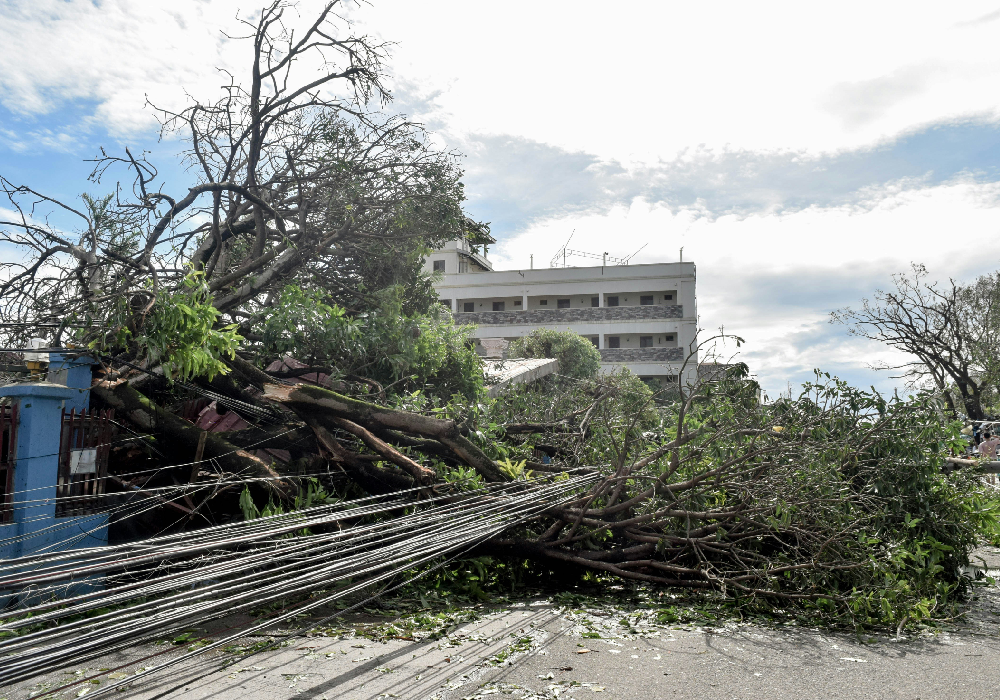
Trees can pose a significant risk during storms, with falling branches and uprooted trees causing substantial damage. Consequently, many homeowners have recognized the importance of tree maintenance. According to the International Society of Arboriculture, around 65% of homeowners now opt for professional tree trimming as a precautionary step against storm damage to homes and power lines.
By maintaining trees, homeowners can significantly reduce the risk of branches breaking off and impacting their property. Regular trimming not only protects homes but also ensures the safety of surrounding power lines. Additionally, removing dead or diseased trees is a proactive measure that can prevent them from becoming dangerous projectiles during high winds.
It’s crucial to be vigilant about the condition of trees on your property. Engaging professional arborists to inspect and maintain trees can help identify and mitigate potential hazards. This foresight can save homeowners from significant expenses and repairs that might occur from tree-related storm damage.
Post-Storm Actions: Inspecting for Hidden Dangers
After a storm has passed, homeowners must carry out thorough inspections to uncover any unseen damages. This is especially true for trees, with particular attention needed for vulnerable species. According to the New Jersey Department of Health, it is recommended to practice vigilance towards ash trees, especially those affected by the Emerald Ash Borer, as they can become brittle and break easily following storms.
Moreover, inspecting for structural damage is equally crucial. Homeowners should look for signs of foundational shifts, window and door misalignments, and any visible cracks in walls or ceilings. Early detection of these issues can prevent further degradation and maintain the integrity of the home.
In addition to physical repairs, revisiting insurance policies and understanding coverage for storm-related damages is essential. Homeowners might need to adjust their insurance plans to ensure they’re adequately protected against future storms. This financial preparedness helps in managing post-storm recovery more effectively.
The vulnerability of homes to storm damage is an ever-present concern for homeowners. By understanding the potential impact, taking preventive measures, and conducting thorough post-storm inspections, one can effectively safeguard their home and protect their investment. As climate patterns become increasingly unpredictable, these steps become even more critical in maintaining the safety and security of homes.
