

Table of Contents
Every new home, driveway, pool, and septic system starts with someone moving earth. For people who enjoy working outdoors with heavy equipment, that steady need creates a real business opportunity. Combining excavation services with water well drilling can open the door to a wider range of customers and more consistent work throughout the year. If you’re thinking about launching a company in this field, here’s what to know about the market, your potential clients, and the steps to get started.
A Large and Steady Industry
Excavation is a foundational part of construction, and it’s a field with a strong track record. According to IBISWorld, the U.S. excavation contractors industry included more than 235,000 businesses in 2025, a 0.5% increase from the year before. That steady growth reflects ongoing demand from homebuilders, developers, municipalities, and property owners.
Excavation contractors handle a wide variety of jobs, including digging foundations and basements, grading land, trenching for utility lines, clearing lots, installing drainage systems, and preparing sites for driveways and patios. Offering several of these services helps a new company stay busy even when one type of work slows down.
With so many competitors, it’s important to find your niche. Some startups focus on residential projects, while others target commercial or agricultural clients. Building relationships with general contractors, homebuilders, landscapers, and septic installers can lead to steady referrals and repeat business.
A Built-In Customer Base for Well Services
Adding water well drilling to your services can set your company apart. Many homes, especially in rural areas, depend on private wells for their water supply. The U.S. Geological Survey estimates that 15% of the country relies on well water, creating ongoing demand for new wells, pump installations, repairs, and replacements.
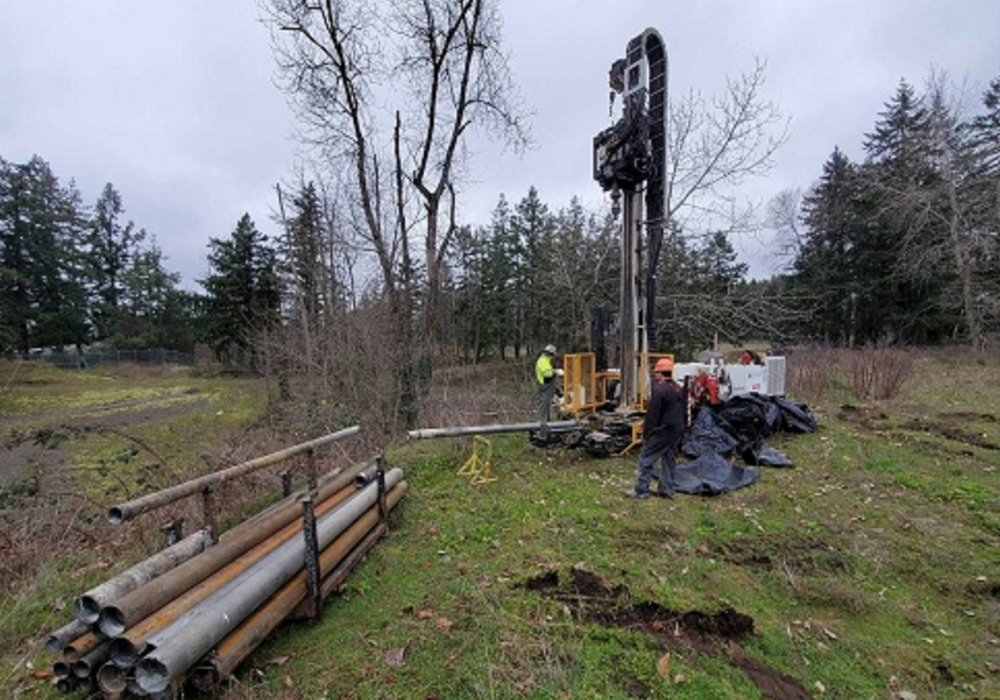
Well customers often need help at several stages. New construction projects require drilling and site preparation, older wells may need deepening or rehabilitation, and failing pumps must be diagnosed and replaced. Because excavation and well work often go hand in hand, offering both services lets you handle more of a project from start to finish.
Before taking on well work, research your state’s licensing rules, since most states require well drillers to hold a specific license and follow strict construction standards. Many also require permits and water quality testing for new wells. Proper training protects both your customers and your business.
Room to Grow in a Thriving Market
Well drilling isn’t just a useful add-on; it’s a growing industry in its own right. The Business Research Company projects that the water well drilling services market will reach close to $22 billion by 2028. Expanding rural development, agricultural needs, and aging wells that need replacement all contribute to that growth.
Getting started does require a significant investment. Excavators, skid steers, dump trucks, and drilling rigs are expensive, so many new business owners begin by leasing or buying used equipment. Work with a lender familiar with construction businesses, and build a detailed business plan that covers startup costs, insurance, and expected revenue.
Beyond equipment, focus on the fundamentals of running a reliable business. Secure liability and equipment insurance, hire experienced operators, and invest in safety training. Create a professional website, gather customer reviews, and network with local builders and real estate agents to grow your reputation.
Building a Business From the Ground Up
Starting an excavation and well drilling company takes hard work, the right equipment, and careful planning. By tapping into a steady excavation market, serving the many households that depend on wells, and positioning your company for growth, you can build a business with a solid foundation and plenty of room to expand.
