

Table of Contents
Hard water is a common issue faced by many homeowners, potentially affecting both the efficiency and lifespan of household appliances. As water flows through pipes and fixtures, the dissolved minerals, such as calcium and magnesium, deposit as scale. Understanding how water softening can mitigate these effects is crucial for maintaining cost-effective and long-lasting home appliances.
The Impact of Hard Water on Appliances
Hard water, characterized by high levels of minerals like calcium and magnesium, can lead to various problems in home appliances. According to Health.State.MN.us, water with hardness greater than 7 grains per gallon may necessitate a water softener to ensure appliances function efficiently and improve water’s sensory properties. Over time, the buildup of mineral scale can significantly decrease the performance of appliances, forcing them to work harder than necessary.
As scale accumulates, it acts as an insulating layer on heating elements, causing appliances to use more energy to achieve the same level of performance. This inefficiency is vividly depicted by Market Research Future, which indicates that hard water can cause a doubling of energy consumption in water heaters. The increased energy usage not only hikes utility bills but also stresses appliances, potentially accelerating their wear and tear.
For appliances like dishwashers and washing machines, hard water can impede the cleaning process, leaving spots or deposits on dishes and fabrics. These deposits are not only unsightly but can also clog mechanical parts, further degrading appliance performance. By understanding these impacts, homeowners can see why addressing hard water issues is essential for appliance longevity and efficiency.
Benefits of Water Softeners
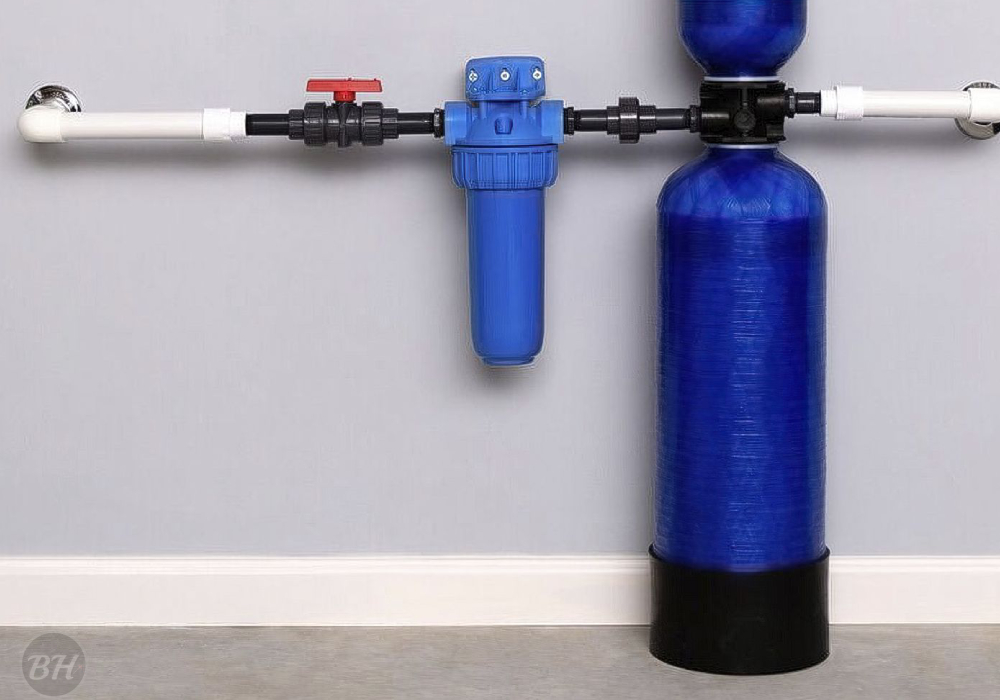
Water softeners are devices designed to reduce the concentration of minerals that cause water hardness, thereby alleviating the associated issues in home appliances. By exchanging calcium and magnesium ions with sodium ions, water softeners prevent scale buildup and support the smooth operation of appliances. Notably, softened water contributes to maintaining appliances at optimal efficiency levels, extending their operational lifespan.
The positive effects of using water softeners are tangible in the performance of water heaters. According to Market Research Future, softened water can mitigate scale-induced inefficiency, decreasing overall energy expenses by 20-30%. This reduction in energy use not only benefits the environment through decreased resource consumption but also cuts down on household expenses.
In addition to efficiency improvements, water softeners help preserve the integrity of appliances by minimizing mineral deposits that can cause mechanical failures. When maintained regularly, household appliances like tankless water heaters can last notably longer than their expected lifecycle. According to HomeGuide, proper upkeep of these appliances, including dealing with hard water buildup, can help them remain operational for 15 to 20 years.
Long-Term Savings and Environmental Impact
Incorporating a water softening system in households addresses not just operational efficiency but also results in significant cost savings. Softer water leads to less detergent usage in washing machines and dishwashers, as there is no need for added cleaning agents to tackle mineral residue. This reduction in product use contributes to environmental sustainability by decreasing chemical runoff and packaging waste.
Moreover, the alleviation of mineral scale in water heaters and other appliances directly translates into reduced energy consumption, lowering the carbon footprint of homes. With less wear over time, appliances avoid early replacement cycles, which further benefits the environment by reducing waste and manufacturing demands. The longevity of appliances directly supported by water softeners creates a symbiotic benefit for both homeowners and the planet.
Adopting water softeners thus serves a dual purpose of home maintenance and eco-friendliness. By appreciating the long-term savings potential, both financially and environmentally, homeowners can make informed decisions about installing water softeners. Overall, the benefits of softened water extend beyond immediate convenience, enabling sustainable practices and cost-effective home management.
Tackling hard water issues with a water softener offers a compelling solution to both enhance and prolong the operation of household appliances. By effectively mitigating mineral buildup, homeowners can achieve energy savings, improve appliance performance, and contribute to environmental protection. Healthy and sustainable water management is crucial for the modern home, ensuring appliance efficiency and longevity in the long run.
