

Table of Contents
When embarking on a construction project, effective planning of machinery is critical. Careful consideration of equipment capabilities, costs, and rental options can significantly impact the efficiency and profitability of your construction business. This article delves into the essential aspects of machine planning to ensure your project runs smoothly and successfully.
Understanding Machinery Requirements
The first step in effective machine planning is understanding the specific requirements of your project. According to Facts UK, a typical bulldozer can reach up to 1200 horsepower and weigh as much as 30 tons. Knowing this helps in selecting the right machines that can handle the tasks required without compromising safety or efficiency.
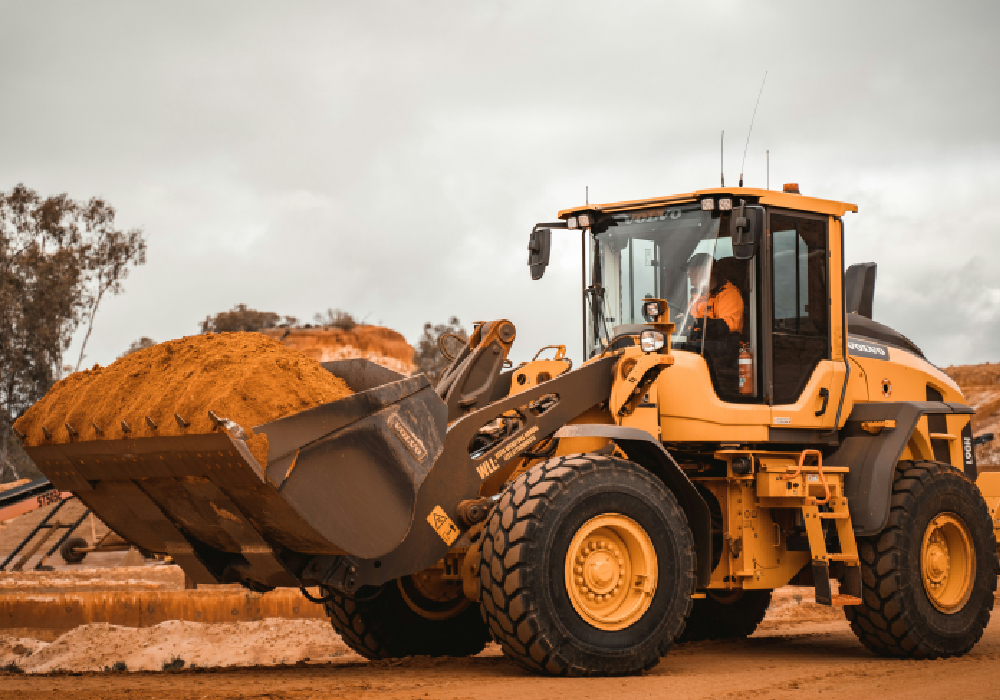
For large-scale earth-moving projects, heavy-duty machinery is crucial. However, for smaller spaces or tasks, more compact equipment may be more appropriate. Analyzing the scale and scope of your project will guide you in choosing machines that offer the best performance and cost-effectiveness.
Additionally, comprehending machine specifications such as operating capacity, fuel efficiency, and technological capabilities is essential. This knowledge allows you to match equipment to job demands, optimizing productivity and facilitating smooth project execution.
Exploring Rental and Purchase Options
Once you’ve identified the machinery required, the decision to rent or buy is key. According to Future Market Insights, more than 45% of crane rental agreements involve models ranging from 10 to 20 tons. Renting is often advantageous for short-term projects, providing flexibility without the long-term financial commitment of purchasing.
If the machines will be used infrequently, renting can afford significant savings and convenience as it alleviates maintenance responsibilities. Conversely, for long-term or frequent use, purchasing machinery may offer better value. Both options have their merits, and the right choice depends on your business’s specific needs and financial situation.
Consider the benefits of modern equipment with enhanced functionality and greater efficiency. When acquiring new machinery, research the latest advancements that can provide improved performance, meet environmental regulations, and contribute positively to your business’s operational capabilities.
Cost Analysis and Budgeting
Budgeting effectively for your construction machinery is crucial. According to Cost Owl, the price of mid-range excavators can vary from $100,000 to $200,000 when new, while rental of such equipment averages around $571 per day. These figures highlight the importance of a thorough cost-benefit analysis to ascertain the most financially sound decision for your project and business.
When planning your budget, consider both direct and indirect costs. Direct costs include purchase or rental fees, insurance, and fuel. Indirect costs might involve training, maintenance, and downtime, all of which can influence the total expenditure significantly.
Lastly, remember to buffer for unforeseen expenses. No matter how meticulous the planning, unexpected costs can arise. Allocating a contingency portion of your budget ensures that your business remains resilient and adaptable to sudden changes or challenges without financial strain.
Improving Business Efficiency Through Effective Machine Use
Optimizing machinery use can considerably enhance your business’s efficiency and productivity. Properly maintained machinery not only lasts longer, reducing replacement costs, but also operates at peak performance. Regular maintenance checks and adherence to service schedules safeguard machinery integrity and functionality.
Moreover, training your staff on efficient machine operation is vital. Skilled operators can maximize the capabilities of the equipment, ensuring construction tasks are completed efficiently and safely. This not only enhances productivity but also boosts morale and job satisfaction among workers.
Strategically scheduling machine use also contributes to operational efficiency. By aligning machinery availability with project timelines, projects can be completed on schedule, avoiding costly delays. A detailed planning approach ensures effective machine utilization aligns with business goals, optimizing both performance and profitability.
Successful construction projects hinge on effective machine planning, which requires a comprehensive understanding of machinery needs, financing, and operation strategies. Utilizing the correct machines, judicious decision-making between renting and purchasing, and mindful budgeting can substantially elevate your business’s operations. With these considerations in mind, tailored machine planning can lead to enhanced efficiency, profitability, and successful project completion, driving your business forward in a competitive industry.
