

Table of Contents
In an industrial sector, where electrical systems power many operations, ensuring workers’ safety has never been more critical than now. One of the most effective ways to achieve this is through NFPA 70E training.
This comprehensive program equips individuals with the knowledge and skills to prevent electrical accidents, injuries, and fatalities. This guide explores the essential elements of NFPA 70E training, its significance, core content, and strategies for successful implementation.
Why NFPA 70E Training Matters
Prioritizing Employee Safety
NFPA 70E training is about safeguarding the well-being of workers. It gives them the tools to navigate the potential hazards associated with electrical systems, thereby reducing the risk of accidents, burns, and even fatalities.
Regulatory Compliance
Organizations are bound by legal requirements and industry standards to maintain safe working conditions. By implementing NFPA 70E training, companies demonstrate their commitment to compliance and their dedication to upholding worker safety.
Risk Mitigation
Modern electrical systems pose significant risks. Therefore, NFPA 70E training empowers employees to identify potential hazards and implement safety measures, minimizing the risks of working with or near electrical equipment.
Cost Savings
Prevention is more cost-effective than reaction. By preventing accidents and injuries through comprehensive training, organizations can avoid medical expenses, workers’ compensation claims, and the costs of repairing or replacing damaged equipment.
Boosting Productivity
A well-trained workforce is a confident workforce. Employees who understand and implement safety practices efficiently contribute to increased productivity. Furthermore, accidents and injuries lead to downtime, which practical training can significantly reduce.
Key Components of NFPA 70E Training
Electrical Hazard Identification
A fundamental aspect of NFPA 70E training is grasping the various electrical hazards in the workplace. Trainees learn about electrical shock, arc flash, and arc blast risks, understanding their severity and the measures required to prevent them.
Risk Assessment
Training emphasizes the importance of assessing risks associated with different electrical tasks. This involves evaluating the potential dangers and implementing appropriate safety precautions to minimize risk.
Arc Flash and Shock Boundaries
The certification covers arc flash boundaries (limited, restricted, and prohibited approaches) and shock protection boundaries, ensuring workers know how to approach electrical equipment safely.
Personal Protective Equipment (PPE) and Safe Work Practices
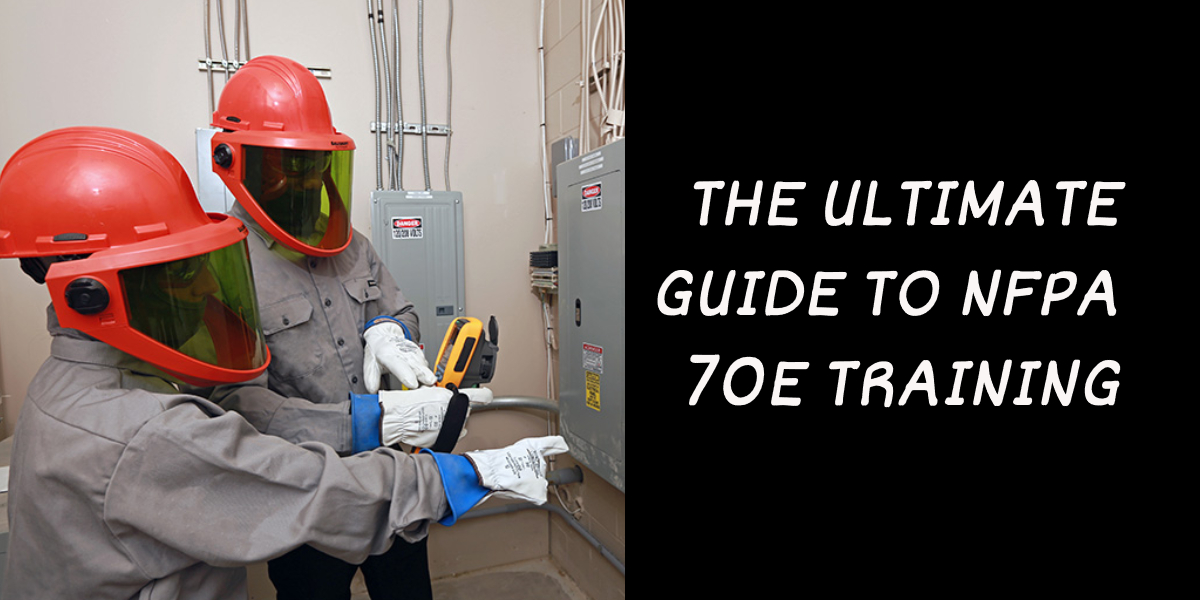
Effective utilization of PPE is critical. Training details the types of PPE available, when and how to use them, and the significance of proper maintenance and care. Trainees learn essential, safe work practices, including lockout/tagout procedures, proper grounding techniques, and the importance of de-energization to prevent electrical incidents.
Emergency Response
NFPA 70E training addresses emergency procedures, offering guidance on responding swiftly and effectively during an electrical incident. This includes administering first aid, reporting incidents, and arranging evacuations.
Training and Qualification
Organizations must ensure their employees are qualified to perform specific electrical tasks. NFPA 70E training outlines the qualifications required for different tasks and provides guidelines for maintaining those qualifications.
Implementing Effective NFPA 70E Training
Assessment and Selecting Training Providers
Begin by assessing your organization’s electrical safety needs. Identify which employees require training and determine the specific electrical tasks they perform. Also, choose reputable trainers offering NFPA 70E courses. Ensure that the training content aligns with your industry and work environment.
Customization and Training Formats
Tailor the training to your organization’s unique requirements. Consider the specific types of electrical systems, equipment, and tasks relevant to your employees. Employ a variety of training formats, including in-person workshops, online courses, and on-the-job training. A blended approach can cater to different learning preferences.
Engagement and Hands-On Experience
To ensure active participation, incorporate real-life scenarios, case studies, and interactive elements that resonate with trainees’ experiences. Whenever feasible, provide hands-on training opportunities that simulate real-world conditions. Practical experience reinforces learning and boosts trainees’ confidence.
Regular Updates, Assessment, and Documentation
Since electrical safety practices evolve, you should periodically update the training to include the latest revisions of NFPA 70E and the most current industry best practices. Incorporate assessments or quizzes to evaluate trainees’ understanding of the material.
These evaluations help identify areas that may require additional clarification. Also, maintain thorough records of training sessions, attendance, and certifications. Well-kept documentation serves as evidence of compliance and due diligence.
Benefits of NFPA 70E Training
Enhances Safety and Regulatory Compliance
The foremost advantage of NFPA 70E training is creating a safer work environment where employees are equipped to make informed decisions that mitigate risks. Employers who invest in proper training demonstrate their commitment to adhering to industry standards and legal requirements.
Reduction in Incidents
By imparting the knowledge and skills needed to prevent electrical incidents, NFPA 70E training significantly reduces the number of accidents, protecting both employees and company assets.
Confidence and Efficiency
Employees with confidence in their safety knowledge are more efficient and proactive in identifying and mitigating hazards.
Summary
NFPA 70E training is more than a certification—it invests in employees’ and organizations’ safety, well-being, and success. By providing employees with the tools to understand and navigate electrical hazards, organizations create a culture of safety that resonates throughout the workplace. Effective implementation of NFPA 70E training ensures regulatory compliance, minimizes risks, and sets the stage for a workplace where safety is paramount. Prioritizing NFPA 70E training is a proactive step toward a safer and more productive future.
