


Table of Contents
Buying a new smartphone has become both exciting and confusing at the same time. With hundreds of models available across different price ranges, choosing the right phone requires more than simply looking at advertisements or selecting the latest launch.
Modern smartphones offer impressive cameras, powerful processors, artificial intelligence features, high-quality displays, and fast charging technologies. However, these features do not mean the same thing for every user. A gaming enthusiast, a photography lover, a business professional, and a casual user all have different requirements.
A smartphone is a device that most people use every day for communication, entertainment, online payments, work, education, and capturing memories. Therefore, making the right choice is important to ensure that your phone remains useful and reliable for years.
This ultimate smartphone buying guide will help you understand the important factors you should consider before purchasing a new phone. From budget and performance to camera quality, battery life, and software support, we will cover everything you need to make a smart buying decision.
Why Choosing the Right Smartphone Matters
Many buyers make the mistake of choosing a smartphone based only on brand popularity, social media trends, or impressive-looking specifications. However, a phone that works perfectly for one person may not be suitable for another.
For example, a mobile gamer needs a powerful processor and efficient cooling system, while someone who mainly uses social media and streaming platforms may care more about battery life and display quality. Similarly, content creators need excellent cameras and storage, whereas business users often prefer security features and long-term software updates.
The right smartphone should offer a balance between performance, features, durability, and price. Instead of paying extra for features you may never use, it is better to invest in a phone that matches your lifestyle.
Step 1: Decide Your Budget
Before exploring different models, the first thing you should decide is your budget. Having a clear price range makes it easier to compare suitable smartphones and prevents unnecessary spending.
Today, smartphones are available in almost every price segment. Budget phones can handle everyday activities such as calling, browsing, social media, and video streaming. Mid-range smartphones often provide the best combination of performance, camera quality, battery life, and design. Premium smartphones offer advanced features such as flagship processors, professional-grade cameras, premium materials, and extended software support.
Here is a general idea of what different price segments offer:
| Price Range | Suitable For |
|---|---|
| Under ₹15,000 | Basic users, students, calling, social media |
| ₹15,000–₹30,000 | Everyday users looking for balanced performance |
| ₹30,000–₹50,000 | Gamers, photographers, and heavy users |
| ₹50,000–₹80,000 | Premium smartphone experience |
| Above ₹80,000 | Flagship users and professionals |
It is important to remember that the most expensive smartphone is not always the best option. A carefully selected mid-range phone can provide excellent performance and value for money.
Step 2: Understand Your Smartphone Usage
The best smartphone depends largely on how you plan to use it. Before comparing specifications, think about your daily activities and the features that matter most to you.
If you mainly use your phone for calls, messaging, browsing, social media, and watching videos, you do not need the most powerful processor available. A reliable mid-range smartphone with good battery life and a quality display will easily meet your needs.
For gamers, performance becomes the priority. A good gaming smartphone should have a capable processor, smooth display, efficient heat management, and a large battery to handle long gaming sessions.
Photography enthusiasts should focus on camera performance rather than only looking at megapixel numbers. Image processing, sensor quality, stabilization, and low-light performance play a much bigger role in creating impressive photos.
Professionals who use smartphones for work should consider features such as strong security, dependable performance, premium build quality, and longer software support.
Understanding your priorities helps you choose a phone that delivers value instead of paying extra for unnecessary specifications.
Step 3: Android or iPhone – Choosing the Right Operating System
The operating system is one of the biggest decisions when buying a smartphone. Currently, most users choose between Android and Apple’s iOS.
Android Smartphones
Android is the world’s most widely used smartphone operating system. It is available on devices from various brands, giving users a wide range of choices across different budgets.
One of Android’s biggest advantages is flexibility. Users can customize their devices, choose from different designs and price ranges, and access a variety of features depending on the brand.
Android smartphones are available from companies such as Samsung, Google, OnePlus, Xiaomi, Vivo, and Motorola, offering options for almost every type of user.
Android is a great choice for buyers who want more freedom, customization, and hardware variety.
iPhone (iOS)
Apple’s iPhone provides a different experience focused on simplicity, smooth performance, and long-term reliability.
iPhones are known for excellent software optimization, strong security, regular updates, and impressive video recording quality. Apple’s ecosystem also allows smooth connectivity between devices such as MacBooks, iPads, and Apple Watches.
Although iPhones usually have a higher starting price, their long software support and strong resale value make them attractive for users who prefer long-term usage.
The choice between Android and iPhone ultimately depends on personal preference, budget, and the ecosystem you already use.
Step 4: Processor – The Brain of Your Smartphone
The processor plays a major role in determining how smoothly your smartphone performs. It controls everything from opening applications and switching between tasks to gaming performance and video editing.
Popular smartphone processors include Qualcomm Snapdragon, MediaTek Dimensity, Apple A-series chips, Google Tensor, and Samsung Exynos. However, choosing a processor is not only about selecting the highest number or latest name. Software optimization and power efficiency are equally important.
For regular users, a modern mid-range processor is usually more than enough. It can easily handle social media, browsing, streaming, and daily tasks. However, gamers and content creators should invest in higher-performance chipsets to ensure smoother performance and better long-term usability.
A good processor also improves battery efficiency because it manages power consumption more effectively.
Step 5: How Much RAM Does Your Smartphone Need?
RAM helps your smartphone handle multiple applications at the same time. While brands often promote higher RAM numbers, choosing the right amount is more important than simply choosing the biggest number.
For most users, 8GB RAM provides an excellent balance between performance and price. It allows smooth multitasking, quick app switching, and comfortable everyday usage.
A simple RAM guide:
| RAM Capacity | Recommended Usage |
|---|---|
| 4GB | Basic calling and light usage |
| 6GB | Everyday users |
| 8GB | Most smartphone buyers |
| 12GB or more | Gaming and professional users |
Having more RAM can help with heavy multitasking, but it should not come at the cost of other important features such as processor quality, camera performance, or storage capacity.
Step 6: Choosing the Right Storage Capacity
Storage is another important factor that many buyers underestimate. Modern smartphones store high-resolution photos, videos, applications, games, documents, and system updates, which can quickly consume available space.
While 64GB storage may work for basic users, it can become limiting over time. For most people, 128GB is currently the most practical choice because it provides enough space without significantly increasing the price.
Users who regularly record videos, download large games, or create digital content should consider 256GB or higher storage options.
| Storage | Best For |
|---|---|
| 64GB | Basic users |
| 128GB | Most users |
| 256GB | Heavy users and content creators |
| 512GB+ | Professional creators |
If a smartphone does not support a memory card, selecting the right storage option becomes even more important because you cannot upgrade it later.
Step 7: Display Quality and Why It Matters
The display is one of the features you interact with every day. Whether you are watching movies, scrolling through social media, reading articles, or playing games, screen quality directly affects your experience.
Modern AMOLED and OLED displays are preferred by many users because they provide better colors, deeper blacks, and improved contrast compared to traditional LCD panels.
Refresh rate is another important factor. A 90Hz or 120Hz display offers smoother scrolling and more responsive animations compared to standard 60Hz screens. For gaming and multimedia consumption, a higher refresh rate can make the experience noticeably better.
Brightness is equally important, especially for people who frequently use their phones outdoors. A display with higher brightness levels remains easier to view under direct sunlight.
For most buyers, a Full HD+ AMOLED display with a 120Hz refresh rate offers the ideal combination of quality and practicality.
Step 8: Camera Quality – Look Beyond Megapixels
The camera has become one of the most important features when buying a smartphone. Many buyers compare phones based only on megapixel numbers, but a higher megapixel count does not always guarantee better photos.
Modern smartphone photography depends on several factors, including camera sensors, image processing software, lens quality, stabilization technology, and artificial intelligence features. A well-optimized 50MP camera can often produce better results than a higher megapixel camera with poor software processing.
When comparing smartphone cameras, pay attention to features such as optical image stabilization (OIS), low-light performance, autofocus speed, portrait mode quality, and video recording capabilities.
For photography enthusiasts, a smartphone with a balanced camera system is a better choice than one that only focuses on impressive specifications. Brands like Apple and Google have shown that software optimization plays a major role in creating natural-looking images with accurate colors and excellent detail.
A good smartphone camera should perform well in different situations, including:
- Daylight photography
- Night photography
- Portrait shots
- Video recording
- Selfies and video calls
If photography is your priority, always check real-world camera samples and reviews before making a final decision.
Step 9: Battery Life and Charging Speed
Battery performance directly affects your daily smartphone experience. A powerful processor and excellent camera features are not useful if your phone constantly requires charging.
Most modern smartphones now come with batteries between 4,500mAh and 6,000mAh. However, battery life depends on more than just battery capacity. Software optimization, processor efficiency, display technology, and usage habits also influence how long your phone lasts.
For most users, a smartphone with around 5,000mAh battery capacity provides a comfortable full-day experience. Heavy users who spend many hours gaming, recording videos, or using mobile data should look for larger batteries and efficient processors.
Fast charging has also become an important feature. A phone with faster charging support can save significant time, especially for people who have busy schedules.
When choosing a smartphone, consider:
- Battery capacity
- Charging speed
- Charger availability
- Wireless charging support
- Battery optimization features
A balanced combination of battery size and efficient software usually provides a better experience than simply choosing the biggest battery available.
Step 10: Software Updates and Long-Term Support
Software support is one of the most overlooked factors when buying a smartphone. Many users focus heavily on hardware specifications but forget that software updates determine how long a phone remains secure, fast, and compatible with new applications.
A smartphone with regular software updates can provide a better experience for several years. Updates often bring improved security, performance enhancements, new features, and bug fixes.
Before purchasing a phone, check the brand’s update policy. Premium smartphones generally offer longer software support compared to budget devices.
Long-term software support is especially important for users who plan to keep their smartphone for four or more years. A phone with good update support can remain reliable long after its launch.
Step 11: Build Quality and Design
A smartphone is a device you carry every day, so design and durability should not be ignored. While performance features are important, the overall build quality determines how well your phone handles daily use.
Premium smartphones often use materials such as glass and metal, while affordable devices commonly use high-quality plastic designs. However, material choice alone does not decide durability. Proper engineering, protective glass, and water resistance also contribute to a phone’s lifespan.
Before buying, consider factors such as:
- Comfortable grip
- Weight and thickness
- Display protection
- Water and dust resistance
- Overall design quality
If you frequently travel or use your phone outdoors, choosing a device with better protection can prevent accidental damage and reduce repair costs.
Step 12: Connectivity Features You Should Consider
Connectivity features are becoming increasingly important as smartphones continue to replace many traditional devices.
A modern smartphone should ideally support current connectivity standards to remain useful for years. While some features may not seem essential today, they can improve convenience and future-proof your purchase.
Important connectivity features include:
| Feature | Why It Matters |
|---|---|
| 5G Support | Faster mobile internet speeds |
| Wi-Fi 6/Wi-Fi 7 | Better wireless performance |
| Bluetooth 5.3 or newer | Improved connection stability |
| NFC | Contactless payments and easy pairing |
| Dual SIM/eSIM | Better flexibility for users |
For most buyers today, choosing a 5G smartphone is a sensible decision because mobile networks continue to expand.
Step 13: Security and Privacy Features
Smartphones contain personal information, banking applications, private photos, and important documents. Therefore, security should be an important part of your buying decision.
Modern smartphones offer several security features that help protect user data. These include fingerprint scanners, face recognition, encrypted storage, privacy controls, and regular security updates.
A good smartphone should provide:
- Reliable biometric security
- Regular security patches
- App permission controls
- Data protection features
While these features may not seem exciting compared to cameras or processors, they play a major role in protecting your personal information.
Three Smartphones Worth Considering in 2026
Choosing a smartphone becomes easier when you compare real devices. Below are three premium smartphones that represent different strengths and user preferences.
Smartphone Comparison Table
| Feature | Apple iPhone 17 | Samsung Galaxy S26 | Google Pixel 10 |
|---|---|---|---|
| Operating System | iOS | Android (One UI) | Android |
| Display | OLED Display with 120Hz Refresh Rate | Dynamic AMOLED 2X with 120Hz Refresh Rate | OLED Display with 120Hz Refresh Rate |
| Processor | Apple A19 Chip | Snapdragon 8 Elite for Galaxy | Google Tensor G6 |
| RAM | 8GB | 12GB | 12GB |
| Storage Options | 128GB, 256GB, 512GB | 256GB, 512GB | 128GB, 256GB |
| Camera Strength | Excellent video recording and color accuracy | Versatile camera system with powerful zoom features | AI-powered photography and image processing |
| Battery Performance | Optimized all-day battery | Large battery with fast charging | Strong battery optimization |
| Best For | Apple users, creators, professionals | Power users, gamers, multitaskers | Photography lovers and AI-focused users |
Apple iPhone 17 – Best for Long-Term Performance
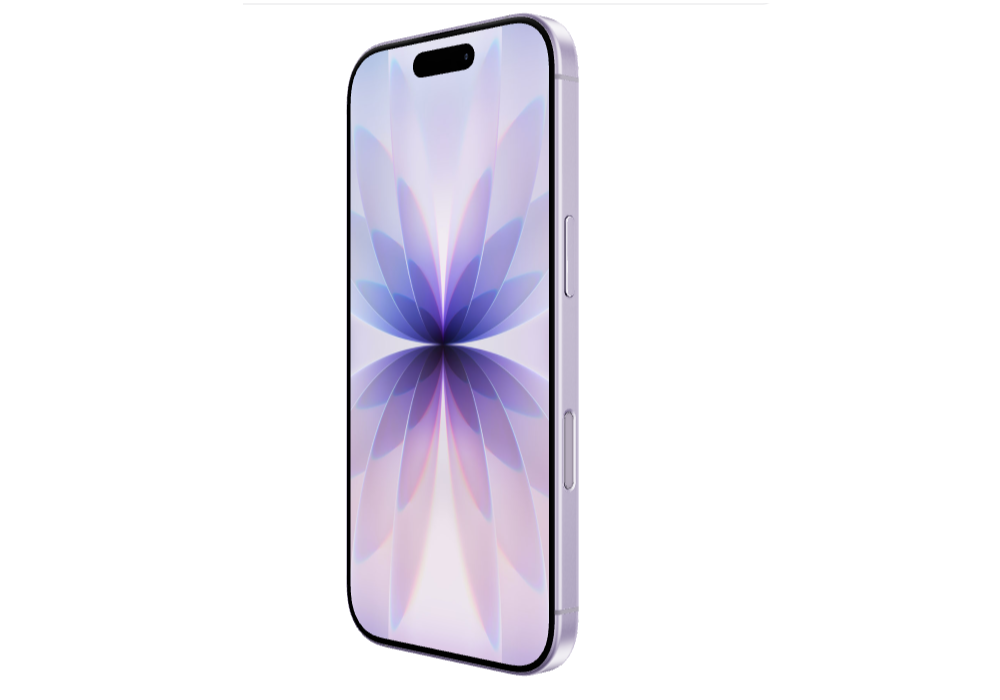
Image Source – https://www.apple.com/in/iphone-17/
The iPhone 17 is designed for users who value smooth performance, excellent video quality, and long-term reliability. Apple’s strong software optimization allows the device to deliver consistent performance even after years of usage.
It is especially suitable for content creators, professionals, and users who already use Apple products. The combination of powerful hardware and optimized software makes it a dependable premium smartphone.
Advantages:
- Excellent performance
- Strong video recording capabilities
- Long software support
- Premium ecosystem experience
Considerations:
- Higher price compared to many Android alternatives
- Less customization flexibility
Samsung Galaxy S26 – Best Premium Android Experience
The Samsung Galaxy S26 offers a complete flagship Android experience with a powerful processor, premium display technology, and a feature-rich software interface.
Samsung smartphones are particularly popular among users who want a balance of productivity, entertainment, and performance. Its high-quality AMOLED display makes it an excellent choice for gaming and multimedia consumption.
Advantages:
- Beautiful AMOLED display
- Powerful performance
- Premium design
- Feature-rich software
Considerations:
- Premium pricing
- Many advanced features may not be required by casual users
Google Pixel 10 – Best for Smartphone Photography
The Google Pixel 10 focuses heavily on artificial intelligence and computational photography. Google has built a strong reputation for producing excellent camera results through software improvements.
It is a great choice for users who want natural-looking photos, smart AI features, and a clean Android experience.
Advantages:
- Excellent photography capabilities
- Clean Android experience
- Smart AI features
- Regular software updates
Considerations:
- Availability may vary in some regions
- Gaming performance may not match dedicated gaming-focused phones
Smartphone Buying Checklist Before Making a Purchase
Before finalizing your smartphone, consider these important points:
✓ Choose a phone according to your actual usage
✓ Compare processor performance instead of only looking at RAM
✓ Select enough storage for future needs
✓ Check camera reviews and real-life samples
✓ Consider battery life and charging speed
✓ Verify software update support
✓ Check repair services and warranty options
✓ Compare multiple models before buying
Taking a few minutes to research can help you avoid a costly mistake and ensure that your smartphone remains useful for years.
Common Smartphone Buying Mistakes to Avoid
Buying a smartphone is a major decision, and many users make mistakes that affect their overall experience. With so many brands competing for attention, it is easy to get influenced by advertisements and focus only on impressive specifications.
Understanding these common mistakes can help you make a smarter purchase decision.
Choosing a Smartphone Only Because of the Brand
Brand reputation is important, but it should not be the only deciding factor. Every smartphone company offers different models with different strengths and weaknesses.
A popular brand may offer excellent premium phones, but another brand might provide better value in the same price range. Instead of choosing a phone only because it carries a famous logo, compare important factors such as performance, camera quality, battery life, software support, and after-sales service.
The best smartphone is the one that meets your requirements, not necessarily the one with the most popular name.
Focusing Only on Camera Megapixels
One of the biggest smartphone buying mistakes is judging camera quality only by megapixel numbers.
Camera performance depends on sensor quality, image processing software, lens quality, and stabilization technology. Independent platforms that test camera quality can help users compare real-world results.
Before buying a smartphone, check real-world camera samples and reviews. Look at how the phone performs in different situations, including low-light photography, portraits, videos, and selfies.
Buying More RAM Than You Actually Need
Smartphone brands often highlight high RAM numbers because they sound impressive. However, more RAM does not automatically mean a better experience.
For most users, 8GB RAM is already sufficient for smooth daily performance. Spending extra money on unnecessary RAM while compromising on storage, battery, or camera quality is usually not the best decision.
A balanced smartphone with a good processor, enough RAM, and optimized software often performs better than a device with impressive numbers on paper.
Ignoring Software Updates
Many buyers focus heavily on hardware specifications but ignore software support. This can become a problem after a few years when the device stops receiving security updates or new features.
A smartphone with longer software support offers better long-term value. It remains safer, more compatible with new applications, and more reliable throughout its lifespan.
Before buying, always check how many years of operating system updates and security patches the manufacturer promises.
Choosing Insufficient Storage
Storage problems are among the most common issues smartphone users face. As apps become larger and cameras produce higher-quality photos and videos, storage fills up quickly.
While buying a lower storage variant may save money initially, it can create problems later. For most users, 128GB is a practical starting point, while content creators and heavy users should consider 256GB or more.
Which Smartphone Should You Buy?
There is no single smartphone that can be called the best choice for everyone. The right phone depends on your priorities, usage habits, and budget.
If you want a premium smartphone with excellent performance, long software support, and outstanding video recording, the iPhone 17 is a strong option. It is particularly suitable for users who value reliability and already use Apple devices.
If you prefer Android and want a feature-packed flagship experience, the Samsung Galaxy S26 offers a premium display, powerful performance, and a wide range of productivity features. It is a great choice for users who enjoy customization, gaming, and multimedia.
For photography enthusiasts, the Google Pixel 10 stands out because of its advanced AI features and computational photography capabilities. It is ideal for users who want excellent photos without spending time manually adjusting camera settings.
However, if your requirements are simple, you do not necessarily need a flagship smartphone. Many mid-range devices today offer excellent displays, capable processors, reliable cameras, and long battery life at much lower prices.
The smartest approach is to identify the features you use most and invest your money in those areas.
Future-Proofing Your Smartphone Purchase
A smartphone should not only meet your current needs but also remain useful in the coming years. Technology changes quickly, so choosing a device with future-ready features can increase its lifespan.
When purchasing a smartphone in 2026, consider features that will remain relevant:
- 5G connectivity for faster networks
- Sufficient storage capacity
- Efficient processor technology
- Long software support
- Quality display
- Strong battery performance
A phone with these features will continue to provide a smooth experience even as applications become more demanding.
Final Thoughts: How to Choose the Best Smartphone
Choosing the perfect smartphone does not mean buying the most expensive model available. It means finding a device that offers the right combination of performance, features, reliability, and value.
Before making your final decision, focus on the factors that matter most for your lifestyle. Consider how you use your phone every day, whether you need powerful gaming performance, professional photography features, long battery life, or simply a dependable device for communication and entertainment.
A good smartphone should provide:
- Smooth everyday performance
- A quality display
- Reliable battery life
- Sufficient storage
- Good camera performance
- Strong security
- Long-term software support
Take your time to compare different models, read genuine user reviews, and avoid making a purchase based only on marketing claims.
Ultimately, the best smartphone is not the one with the highest specifications or the biggest price tag. It is the one that fits your needs, budget, and lifestyle while delivering a smooth and enjoyable experience every day.
Frequently Asked Questions (FAQs)
How much should I spend on a smartphone?
The ideal smartphone budget depends on your requirements. For most users, the ₹15,000–₹40,000 range offers excellent value with strong performance, good cameras, and reliable features. Premium phones are better suited for users who need advanced features or want long-term flagship performance.
How much RAM is enough for a smartphone?
For most users, 8GB RAM is enough for smooth daily usage, multitasking, social media, and entertainment. Users who play heavy games or perform professional tasks may benefit from 12GB or more.
Is a higher megapixel camera always better?
No. Camera quality depends on multiple factors, including sensor size, image processing, stabilization, and software optimization. A lower megapixel camera with better technology can outperform a higher megapixel camera.
Which is better: Android or iPhone?
Both Android and iPhone have their advantages. Android offers more customization and device choices, while iPhone provides strong security, smooth performance, and long-term software support. The better option depends on your personal preferences and requirements.
How much storage should I choose for my smartphone?
For most users, 128GB storage is the ideal choice. If you frequently record videos, store large files, or install many games, choosing 256GB or more is recommended.
How important is battery capacity when buying a smartphone?
Battery capacity is important, but it is not the only factor. Processor efficiency, software optimization, and display technology also affect battery life. A well-optimized phone with a smaller battery can sometimes outperform a device with a larger battery.
Should I buy a flagship smartphone or a mid-range phone?
It depends on your needs. Flagship smartphones offer premium features, better cameras, powerful processors, and longer support. However, many mid-range smartphones now provide excellent performance and are a better value choice for everyday users.
What is the most important feature to check before buying a smartphone?
There is no single most important feature because it depends on the user. However, processor performance, battery life, display quality, camera capability, storage, and software support should always be considered before making a final decision.
