


Table of Contents
Smartphone photography has evolved dramatically over the past few years. What once required a professional DSLR camera can now often be achieved with a device that fits comfortably in your pocket. Whether you’re capturing memorable family moments, creating content for social media, recording your travels, or even running a small business, choosing the best Smartphone for photography can significantly improve the quality of your photos and videos.
However, buying a camera-focused smartphone isn’t as simple as choosing the device with the highest megapixel count. Modern smartphones use advanced image processing, artificial intelligence (AI), optical stabilization, and multiple camera lenses to create stunning photographs. This means a 50MP camera on one phone may outperform a 200MP camera on another because of better software optimization and sensor quality.
With dozens of brands offering impressive camera features, it’s easy to become overwhelmed by technical specifications and marketing claims. Understanding what actually affects image quality helps you spend your money wisely and choose a phone that matches your photography style instead of paying for features you’ll rarely use.
This guide will help beginners and intermediate users understand the most important camera features, compare different technologies, and confidently choose the Best Smartphone For Photography based on their needs and budget.
Why Choosing the Best Smartphone For Photography Matters
Today’s smartphones are much more than communication devices. For many people, they serve as their primary camera for everyday life. From birthdays and vacations to online business promotions and content creation, smartphones capture moments that matter.
A high-quality camera phone offers several advantages beyond simply taking sharper pictures. Better cameras perform well in low-light conditions, produce more natural colors, focus faster on moving subjects, and record smoother videos. These improvements become noticeable every time you review your photos.
Imagine you’re attending a wedding. A phone with an excellent camera sensor and optical image stabilization can produce bright, detailed images even in dimly lit halls. In contrast, a cheaper device may create blurry, noisy, or poorly exposed photographs.
Similarly, if you’re a travel enthusiast, a smartphone with ultra-wide and telephoto lenses allows you to capture breathtaking landscapes and distant landmarks without carrying bulky camera equipment.
Choosing wisely also means your smartphone remains useful for several years, reducing the need for frequent upgrades.
Understand What Makes a Smartphone Camera Great
Many buyers focus only on megapixels because they’re the easiest specification to compare. In reality, photography performance depends on several components working together.
These include:
- Camera sensor size
- Lens quality
- Image processing software
- AI enhancements
- Optical Image Stabilization (OIS)
- Aperture size
- Multiple camera lenses
- Video recording capabilities
Instead of judging a phone by one number, consider the complete camera system.
Don’t Fall for the Megapixel Myth
One of the biggest misconceptions is that more megapixels automatically mean better photos.
Megapixels determine the resolution of an image, not necessarily its quality. A higher resolution can help when cropping or printing large photos, but it doesn’t guarantee better colors, sharper details, or improved low-light performance.
For example, many flagship smartphones produce exceptional images using 48MP or 50MP sensors because they combine large sensors with advanced computational photography. Meanwhile, some budget phones advertise 108MP or even 200MP cameras but struggle in challenging lighting conditions.
A larger sensor captures more light, which directly improves image quality.
What Should You Look For in the Best Smartphone For Photography?
| Camera Feature | Why It Matters |
|---|---|
| Sensor Size | Larger sensors capture more light and produce cleaner photos. |
| Megapixels | Useful for detail, but not the most important factor. |
| Image Processing | Enhances colors, dynamic range, and sharpness. |
| Lens Quality | Better lenses reduce distortion and improve clarity. |
| Optical Stabilization | Prevents blurry photos and shaky videos. |
The lesson is simple: never purchase a smartphone based solely on megapixels.
Why Camera Sensor Size Is More Important Than Megapixels
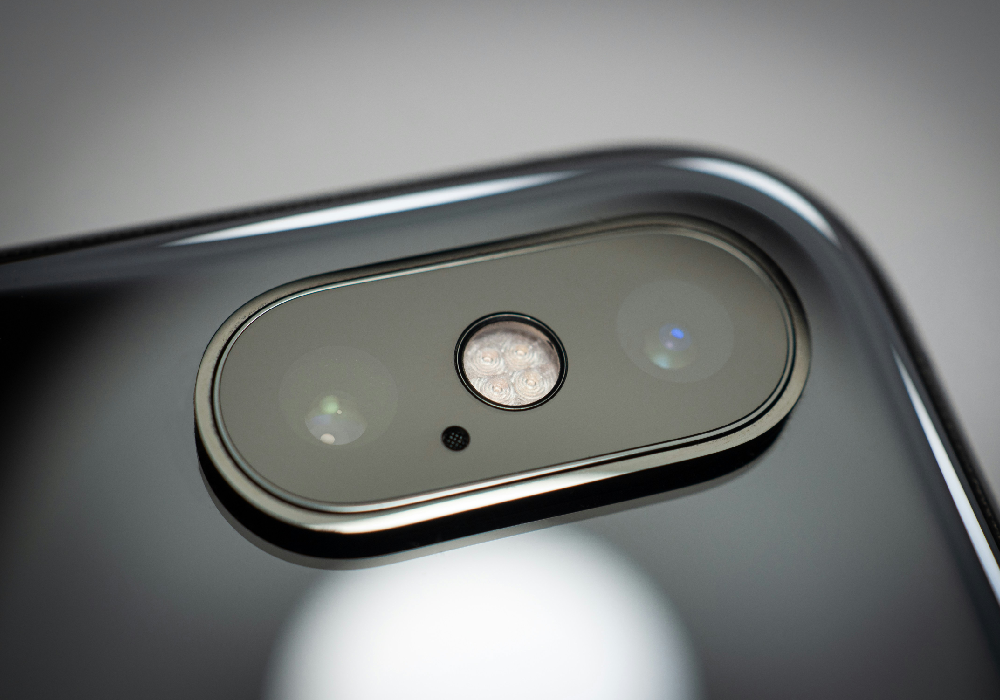
The camera sensor acts as the digital equivalent of film inside a traditional camera. It collects light and converts it into the image you eventually see.
Larger sensors capture more light, which improves:
- Low-light photography
- Dynamic range
- Natural background blur
- Color accuracy
- Overall image quality
Consider two smartphones:
- Phone A has a 200MP camera with a small sensor.
- Phone B has a 50MP camera with a significantly larger sensor.
In many real-world situations, Phone B will capture brighter, cleaner, and more realistic photographs.
This is why many premium smartphones focus on larger sensors instead of simply increasing megapixel counts every year.
Learn About Different Camera Lenses
Modern smartphones usually include multiple rear cameras, each designed for a different purpose.
Understanding these lenses helps you decide whether a smartphone matches your photography needs.
Main (Wide) Camera
The primary camera handles most everyday photography. It should offer excellent sharpness, accurate colors, and reliable autofocus.
This is the lens you’ll use for:
- Portraits
- Food photography
- Everyday moments
- Street photography
- Indoor photography
Because it’s used most often, its quality matters more than having numerous additional cameras.
Ultra-Wide Camera
An ultra-wide lens captures much more of the scene in a single frame.
It’s especially useful for:
- Landscapes
- Architecture
- Travel photography
- Group photos
- Interior photography
However, cheaper smartphones sometimes compromise image quality on their ultra-wide cameras, so it’s worth checking sample photos before purchasing.
Telephoto Camera
A telephoto lens provides optical zoom rather than relying on digital enlargement.
Optical zoom preserves detail, making it perfect for:
- Wildlife
- Sporting events
- Concerts
- Distant buildings
- Portrait photography
If you enjoy traveling or frequently photograph subjects from a distance, a telephoto lens can make a significant difference.
Macro Camera
Macro cameras allow close-up photography of flowers, insects, textures, and small objects.
Although interesting, dedicated macro cameras on many budget phones are often low quality. High-end smartphones typically use their main camera combined with software for superior macro results.
The Role of Optical Image Stabilization (OIS)
Have you ever taken a picture that looked blurry despite holding your phone carefully?
Camera shake is often responsible.
Optical Image Stabilization physically compensates for small hand movements while taking photos or recording videos.
OIS offers several benefits:
- Sharper night photography
- Better indoor photos
- Smoother videos
- Improved zoom performance
- Reduced motion blur
For anyone interested in photography, OIS is one of the most valuable features to prioritize.
Why Image Processing Software Matters
The hardware captures the image, but the software decides how it finally looks.
Modern smartphones use sophisticated computational photography to improve photos within milliseconds after you press the shutter button.
Image processing can enhance:
- Exposure
- White balance
- HDR performance
- Noise reduction
- Skin tones
- Contrast
- Color accuracy
This explains why two smartphones with nearly identical camera hardware may produce dramatically different photographs.
Companies invest heavily in software optimization because it significantly influences the final image quality.
AI Photography Features Worth Having
Artificial Intelligence has transformed smartphone photography by helping cameras recognize scenes and automatically optimize settings.
Useful AI features include:
- Automatic scene recognition
- Portrait background separation
- Night mode enhancement
- Motion detection
- Sky optimization
- Face enhancement
- Smart HDR
- AI object removal
These features don’t replace photography skills, but they make it much easier for beginners to capture attractive photos without manually adjusting settings.
For example, when photographing a sunset, AI can automatically preserve bright skies while keeping foreground subjects visible, resulting in a balanced image that would otherwise require manual editing.
Low-Light Photography: The True Test of Camera Quality
Almost every modern smartphone performs well under bright daylight. The real difference becomes visible after sunset.
Low-light photography depends on several factors working together:
| Feature | Benefit in Low Light |
|---|---|
| Large Camera Sensor | Captures more light and reduces image noise |
| Wide Aperture | Allows additional light into the lens |
| Optical Image Stabilization | Prevents blur during longer exposures |
| Night Mode | Combines multiple exposures for brighter images |
| AI Processing | Improves detail while reducing digital noise |
When comparing smartphones, always look at real-world night photography samples rather than relying only on technical specifications.
Video Recording Is Just as Important
Photography isn’t limited to still images anymore. Many users regularly record videos for YouTube, Instagram, business promotions, family memories, or travel vlogs.
A capable camera phone should offer:
- Stable 4K video recording
- Effective autofocus
- Optical stabilization
- High-quality microphones
- HDR video support
- Slow-motion recording
If video creation is important to you, don’t focus only on photo quality. Test video performance as carefully as still photography.
Don’t Ignore the Display Quality
While most buyers focus on camera specifications, the display plays a crucial role in the photography experience. After all, you’ll use the screen to frame your shots, review your images, and edit them before sharing.
A high-quality display makes it easier to evaluate colors, sharpness, and exposure accurately. If the screen has poor color reproduction, your photos may appear vibrant on your phone but look dull on other devices.
For the best experience, consider smartphones with an OLED or AMOLED display. These screens generally offer deeper blacks, better contrast, and more accurate colors than traditional LCD panels. A Full HD+ resolution is sufficient for most users, while a 120Hz refresh rate makes navigating the camera app and editing photos smoother.
If you often shoot outdoors, pay attention to peak brightness as well. A bright display remains visible even in direct sunlight, making it easier to compose your shots.
Performance Matters More Than You Think
Photography isn’t just about pressing the shutter button. Modern smartphones perform several complex tasks in seconds, such as HDR processing, AI scene recognition, noise reduction, portrait effects, and 4K video encoding.
A powerful processor ensures that these tasks happen quickly without slowing down your device.
For example, imagine photographing children playing in a park. A fast processor helps the camera focus quickly, capture multiple frames in rapid succession, and process the image almost instantly. On slower devices, you may experience shutter lag or miss the perfect moment altogether.
Similarly, if you edit photos using apps like Lightroom or Snapseed, a capable chipset and sufficient RAM will provide a smoother editing experience.
As a general guideline:
| User Type | Recommended Specifications |
|---|---|
| Casual Photography | Mid-range processor, 6GB RAM |
| Social Media Creator | Upper mid-range processor, 8GB RAM |
| Professional Content Creator | Flagship processor, 12GB RAM or more |
Choosing balanced hardware ensures your smartphone remains responsive even after years of use.
Storage Space Is Easy to Overlook
High-resolution photos and 4K videos consume storage surprisingly fast.
A single RAW photo can occupy 25–50MB, while one minute of 4K video may require several hundred megabytes. If your phone runs out of storage, you’ll constantly delete old memories or rely on cloud storage.
For photography enthusiasts:
- 128GB is suitable for occasional photography.
- 256GB offers a comfortable balance for most users.
- 512GB or higher is ideal for content creators and frequent travelers.
If expandable storage is unavailable, purchasing a higher storage variant is often worthwhile.
Battery Life Is Essential for Photography
Photography sessions often last much longer than expected. Vacations, weddings, hiking trips, or day-long events can quickly drain your battery.
A camera-heavy workload—including continuous shooting, GPS, AI processing, and video recording—consumes more power than everyday smartphone usage.
Look for devices with:
- A battery capacity of at least 5,000mAh
- Fast charging support
- Efficient power management
- USB-C charging
Reliable battery life ensures you won’t miss memorable moments because your phone needs recharging.
Which Features Should You Prioritize Based on Your Photography Style?
Different photographers have different needs. Instead of chasing every available feature, focus on what aligns with the type of photography you enjoy most.
| Photography Style | Features to Prioritize |
|---|---|
| Travel Photography | Ultra-wide lens, telephoto lens, long battery life |
| Portrait Photography | Large sensor, OIS, excellent portrait mode |
| Night Photography | Large sensor, Night Mode, Optical Image Stabilization |
| Wildlife & Sports | Telephoto lens, fast autofocus, high-speed processor |
| Social Media Content | Good front camera, AI enhancement, 4K video recording |
| Food Photography | Accurate color processing, macro capability, HDR |
Choosing features that match your real-world usage helps you get better results without overspending.
How to Choose the Best Smartphone For Photography According to Your Budget
One of the biggest misconceptions is that excellent smartphone photography is available only on expensive flagship devices. Fortunately, today’s market offers capable camera phones across multiple price ranges.
Budget Smartphones
If your budget is limited, prioritize:
- A good primary camera instead of multiple low-quality lenses.
- Optical Image Stabilization, if available.
- Reliable HDR performance.
- Good daylight image quality.
Avoid being influenced by phones that advertise four or five cameras but compromise on the quality of the main sensor.
Mid-Range Smartphones
This category offers the best value for most buyers.
Many mid-range smartphones now include:
- Excellent 50MP primary cameras
- OIS
- High-quality ultra-wide cameras
- AI photography
- Impressive Night Mode
- Strong video performance
For most people, this price segment delivers the ideal balance between cost and camera quality.
Flagship Smartphones
Premium smartphones are designed for users who demand the very best.
They typically include:
- Larger camera sensors
- Superior computational photography
- Advanced telephoto systems
- Professional-grade video recording
- Better low-light performance
- Longer software support
If photography is your profession or a significant hobby, investing in a flagship device may be worthwhile.
Common Mistakes to Avoid When Buying a Camera Phone
Many buyers regret their purchase because they focus on marketing rather than practical performance.
Here are some common mistakes to avoid:
- Choosing a phone based only on megapixels.
- Ignoring real-world camera reviews and sample photos.
- Overlooking Optical Image Stabilization.
- Assuming more cameras always mean better quality.
- Forgetting about storage capacity for photos and videos.
- Ignoring battery life if you frequently shoot outdoors.
- Purchasing based solely on brand reputation without comparing camera performance.
- Not considering software updates, which often improve camera quality over time.
Avoiding these mistakes can help you choose a smartphone that continues to deliver satisfying results long after the purchase.
A Simple Buying Checklist
Before making your final decision, ask yourself the following questions:
- Does the phone have a high-quality primary camera with a large sensor?
- Is Optical Image Stabilization available?
- Are the ultra-wide and telephoto cameras genuinely useful?
- How good is the phone’s Night Mode?
- Does it record stable 4K video?
- Is there enough storage for my photography needs?
- Will the battery comfortably last through a day of shooting?
- Have I checked real-world camera samples rather than relying only on specifications?
If most of your answers are “yes,” you’re likely choosing a phone that will serve your photography needs well.
Conclusion
Finding the Best Smartphone For Photography isn’t about purchasing the most expensive device or the one with the highest megapixel count. Great smartphone photography comes from the combination of a quality camera sensor, excellent lenses, intelligent software, Optical Image Stabilization, and powerful image processing.
Understanding these factors allows you to look beyond marketing claims and choose a smartphone that genuinely suits your needs. Whether you enjoy capturing family memories, documenting your travels, creating social media content, or exploring photography as a hobby, selecting the right camera phone can dramatically improve your results.
Before making your purchase, compare real-world camera samples, consider your budget, and think about the type of photography you’ll do most often. By focusing on practical performance rather than flashy specifications, you’ll have a much better chance of finding the Best Smartphone For Photography that continues to impress for years to come.
Frequently Asked Questions (FAQs)
What is the most important feature in the Best Smartphone For Photography?
The camera sensor is one of the most important factors because it determines how much light the camera captures. Combined with quality image processing and Optical Image Stabilization, it has a greater impact on photo quality than megapixels alone.
re more megapixels always better?
No. Higher megapixels increase image resolution but do not automatically improve image quality. Sensor size, lens quality, and software optimization are often more important.
Is Optical Image Stabilization really necessary?
Yes. OIS helps reduce blur caused by hand movements, especially in low-light photography and video recording. It significantly improves overall camera performance.
Should I buy a smartphone with multiple cameras?
Multiple cameras are useful only if each serves a practical purpose. A good primary camera is more valuable than several low-quality secondary lenses.
Which budget range offers the best value for photography?
Mid-range smartphones generally provide the best balance between price and camera performance. Many now include premium features such as OIS, AI photography, and excellent Night Mode.
How much storage do I need for photography?
For casual users, 128GB is usually sufficient. If you frequently shoot 4K videos or store many high-resolution photos, 256GB or more is recommended.
Can a smartphone replace a DSLR camera?
For everyday photography, travel, social media, and content creation, modern flagship smartphones can deliver outstanding results. However, professional DSLR or mirrorless cameras still offer greater flexibility for specialized photography.
