

Table of Contents
Your feet do much more than carry you from one place to another. Every step involves a complex combination of nerves, muscles, joints, balance, and coordination that helps you move safely through your surroundings. From your workout routine to the pavement beneath you, everyday conditions can have a bigger effect on your feet than you might realize.
Your Feet Are Packed With Sensory Information
Your feet play an important role in helping your body understand where it is in relation to the ground. They constantly respond to pressure, texture, temperature, and changes in position, allowing you to adjust your movements without consciously thinking about every step. This sensory feedback can become especially noticeable when something feels unusual, such as standing on an uneven surface or experiencing discomfort in a particular area of the foot.
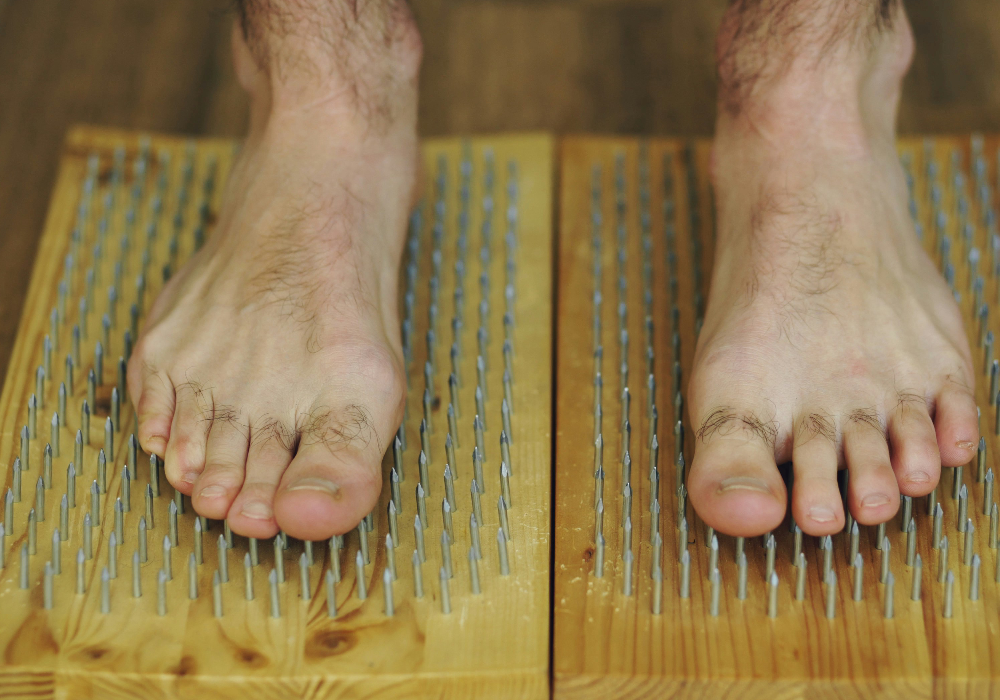
One reason your feet can be so responsive is their concentration of nerves. According to Healthline, the feet contain approximately 8,000 nerves, giving them an extensive network for detecting sensations and communicating information to the brain. These nerves help explain why a small change in pressure or surface texture can sometimes feel surprisingly noticeable, particularly when you are walking, exercising, or standing for long periods.
Because your feet receive so much sensory information, discomfort should not always be dismissed as a minor inconvenience. Pain, tenderness, numbness, or unusual sensitivity can affect the way you walk and may cause you to unconsciously change your stride. Paying attention to these signals can help you recognize when your feet may need rest, different footwear, or professional attention.
Movement Depends on More Than Exercise
Physical activity can help support strength, balance, flexibility, and coordination, all of which contribute to how comfortably you move. However, improving movement is not simply about completing more workouts or pushing yourself harder during exercise. The way you move also depends on your individual goals, current abilities, technique, and how your body responds to different activities.
The fitness industry includes a large number of professionals who help people work on these areas. The U.S. Bureau of Labor Statistics reports that there are more than 329,000 fitness trainers and instructors, illustrating the broad range of professionals available to people seeking guidance with physical activity. Depending on their training and role, fitness professionals can help individuals develop exercise routines, learn proper techniques, and work toward specific movement or fitness goals.
For someone who regularly experiences discomfort while exercising, personalized guidance may also help identify movement patterns that deserve attention. A qualified fitness professional can provide instruction on exercises and techniques, while medical concerns may require evaluation from an appropriate healthcare provider. The important point is that movement is individual, and an approach that works well for one person may not necessarily be appropriate for another.
The Ground Beneath You Can Change Your Steps
Your feet are designed to adapt to the surfaces you encounter, but the environment can still influence how confidently and comfortably you walk. Smooth, predictable surfaces generally make it easier to maintain a steady stride, while unexpected changes in elevation or texture can require quick adjustments. This becomes particularly important when walking outdoors, where pavement conditions can vary from one section of a path or sidewalk to another.
Research published by MDPI identifies uneven or damaged pavement, including raised edges and other surface irregularities, as a significant factor associated with an increased risk of pedestrian slips and trips. These conditions can also affect walkability and overall comfort for people using sidewalks and other pedestrian areas. A seemingly small crack, raised section, or uneven transition can therefore create a challenge that requires your feet and body to react quickly.
Being aware of your surroundings can help you respond to these changes more effectively. Looking ahead while walking, paying attention to transitions between surfaces, and avoiding distractions can make it easier to notice potential obstacles before reaching them. Appropriate footwear can also provide support and traction, although it cannot eliminate hazards created by damaged or uneven walking surfaces.
Your feet ultimately work as part of a much larger movement system. Their extensive network of nerves helps you sense the world beneath you, physical activity can strengthen the abilities that support movement, and the surfaces you walk across can influence how your body responds from one step to the next. Understanding these connections can make it easier to pay attention to changes in comfort, balance, and movement rather than overlooking them.
Small details can have a meaningful impact on how you move through your day. Whether you are exercising, walking around your neighborhood, or simply standing for extended periods, your feet are constantly gathering information and helping your body adjust. By paying attention to foot comfort, maintaining healthy movement habits, and staying aware of the surfaces around you, you can better understand why your feet notice more than you think.
