

Table of Contents
Ensuring the longevity and health of your teeth requires proper and consistent care. A proactive approach to dental health can save not only your teeth but also time and money in the long run. This article explores effective ways to protect your teeth from decay and details the significance of regular dental checkups and a proper oral care routine.
Understanding the Importance of Oral Health
Oral health is integral to overall well-being, impacting everything from confidence to systemic health. Neglecting dental care can lead to serious complications, including heart disease and diabetes, as research has often linked oral health to these conditions. The World Health Organization highlights that over 3 billion individuals worldwide suffer from various oral diseases, indicating the widespread nature of this issue.
Incorporating proper dental hygiene practices daily is crucial in combating the onset of decay. Brushing your teeth at least twice a day with fluoride toothpaste is a simple yet effective measure. Flossing complements this practice by cleaning areas where toothbrush bristles cannot reach, ensuring comprehensive care.
The role of diet should also not be underestimated when considering oral health. A diet high in sugars and acids can increase the risk of tooth erosion and decay over time. Thus, balancing your intake with tooth-friendly foods, such as dairy products and fibrous vegetables, can significantly bolster oral health.
Regular Visits to the Dentist
Routine dental visits play a vital role in maintaining optimal oral health. According to Delta Dental, visiting a dentist for regular check-ups and professional cleanings twice a year is advisable for most individuals. These appointments allow for early detection of potential issues, making treatment more manageable and less invasive.
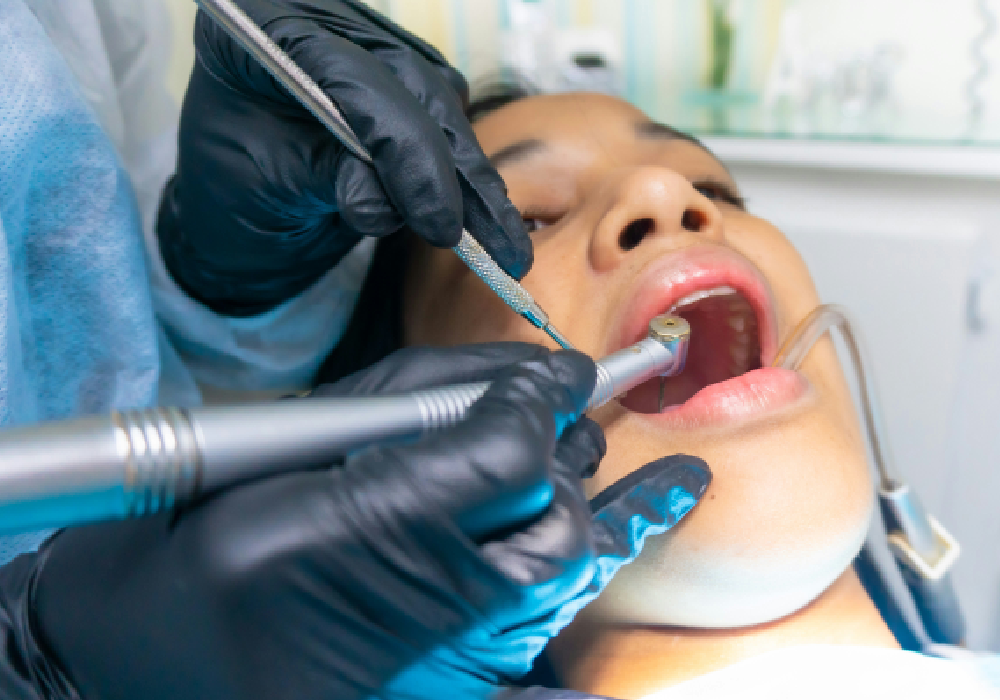
During a dental examination, a dentist not only cleans your teeth but also examines them for any signs of decay or gum disease. Professional cleanings remove plaque build-up that regular brushing and flossing may miss, reducing the likelihood of cavities. Additionally, dentists provide personalized advice on how to improve your at-home oral care routine.
Despite the common reluctance due to perceived discomfort or cost, regular dental visits ensure that minor problems do not become larger, more expensive issues. With the dental implants market projected to reach almost $6 billion by 2029, investing in preventative care now can potentially save high costs in the future. Thus, prioritizing routine dental examinations aligns with both health and financial prudence.
Adopting a Comprehensive Oral Care Routine
Maintaining an effective oral care routine is as important as regular dental visits for preventing decay. Such a routine consists of daily brushing and flossing along with the use of mouthwash to augment protection against bacteria. Implementing these routines conscientiously will help ensure that your dental health is optimized, which in turn supports your overall health.
The use of fluoride toothpaste, which strengthens the enamel, is a straightforward method to reduce the risk of cavities. Furthermore, selecting the right toothbrush—preferably one with soft bristles to avoid damaging gums—is essential. Electric toothbrushes, which often boast superior cleaning capabilities, might also enhance your oral care efforts.
Staying hydrated is another key strategy in maintaining oral health. Water helps wash away food particles and dilute acids produced by bacteria in your mouth. Additionally, ensuring adequate water intake supports saliva production, which naturally defends your teeth against decay.
Prioritize Your Oral Health
Preserving your teeth from decay involves a commitment to both regular dental visits and a diligent at-home oral care routine. Understanding the global impact of oral disease, as indicated by health organizations, underscores the importance of taking preventive measures. By integrating the steps discussed in this article, you are well-positioned to maintain a healthy smile for years to come.
Regular interaction with a dental professional will guide you towards better oral health and empower you with knowledge and tools that facilitate self-care. This proactive approach not only protects your teeth now but ensures that you’d remain one step ahead in combating decay. Greater awareness of the long-term benefits of oral health prevention will lead to healthier choices and outcomes.
Ultimately, recognizing that maintaining oral health is a vital aspect of overall well-being, one cannot take it lightly. By adhering to essential practices and seeking regular professional advice, you can uphold your teeth’s health and avoid the uncertainties of dental decay. Invest in your oral health today and enjoy its benefits well into the future.
