 Blogging Heros

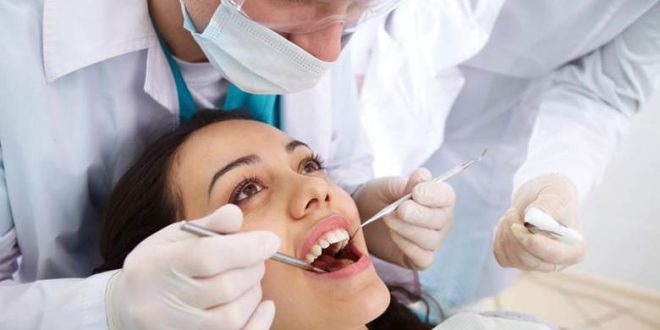
The Prevalence of Gum Disease
Many adults are unaware of how common gum disease actually is. In fact, nearly one-fifth of adults between 33 and 44 years old experience some form of gum disease. Delaying dental check-ups exacerbates these problems and could lead to more severe dental health issues.
These early signs often go unnoticed because they may not cause pain immediately. Regular visits to the dentist can help catch these signs early on, preventing the escalation of minor issues. Ignoring symptoms not only puts your dental health at risk but can also lead to more costly treatments down the line.
While gum disease might seem insignificant, it’s a condition that can lead to severe health implications if left untreated. Regular professional cleanings and assessments are critical for maintaining gum health. Preventive care is significantly more cost-effective than treatments required for advanced gum disease.
Financial Implications of Orthodontic Treatments
Orthodontic treatments like braces are another significant expense associated with neglecting dental health. The cost for adult braces commonly hovers around $6,000, which is a financial burden many do not anticipate. Regular dental visits can identify misalignments early, potentially avoiding the need for costly orthodontic interventions.
In some cases, delayed dental visits can compound minor alignment issues, turning simple corrections into elaborate procedures. Dentists can recommend early interventions that may reduce the severity and cost of orthodontic treatments. Addressing these issues promptly with a dentist can lead to more affordable and effective solutions.
Without regular oversight, dental complications can progress unnoticed, increasing the necessity for orthodontic treatment. Choosing to skip routine dental check-ups may save money in the short term but can result in substantial expenses later. Proactive care with your dentist can often mitigate these potential expenses.
The Emergency Room Dilemma
Many individuals avoid visiting the dentist until a severe issue arises. According to the North American Dental Group, over half of Americans would only see a dentist during an emergency situation. This trend not only compromises long-term dental health but also significantly increases healthcare costs.
Emergency dental visits are generally more expensive and stressful than routine appointments. In contrast, regular dental care allows for the monitoring and management of oral hygiene, drastically reducing the risk of emergencies. Addressing issues before they escalate keeps costs manageable and dental health optimal.
Frequent dental checkups also preclude unnecessary pain and suffering. With preventive care, dentists can identify potential issues and provide solutions before they worsen. Investing in regular dental visits ensures long-term savings and bolsters overall well-being.
The Undervalued Role of Preventive Care
Despite the well-documented benefits of preventive dental care, many individuals overlook its importance. Routine dental visits equip individuals with the necessary tools to maintain oral health and prevent costly issues. By regularly consulting with a dentist, patients receive personalized advice and a proactive approach to dental care.
The minimal costs associated with preventive visits compare favorably to the exorbitant expenses of emergency treatments. Creating a consistent dental care regimen cultivates healthier habits, leading to a lifelong reduction in the likelihood of serious complications. Regular cleanings and check-ups significantly reduce the risk of developing more serious dental conditions.
The Overall Impact on Health and Finances
Neglecting dental visits has repercussions extending beyond just oral health. Poor dental health can impact cardiovascular wellness, indicating the interconnectedness of bodily systems. Ongoing dental care is an investment that transcends simple oral hygiene.
From a financial perspective, the cumulative cost of delayed dental care holds profound implications. While skipping regular check-ups may appear economically sensible, other significant costs inevitably arise. Residual costs associated with emergency care and lost productivity often far exceed those of preventive measures.


