

Table of Contents
In today’s dynamic economy, consumers increasingly look for ways to optimize their spending. One rising trend is the adoption of thrifting and renting as practical approaches to manage finances effectively. This article delves into how these options can enhance affordability and improve financial wellbeing.
The Thrifting Phenomenon
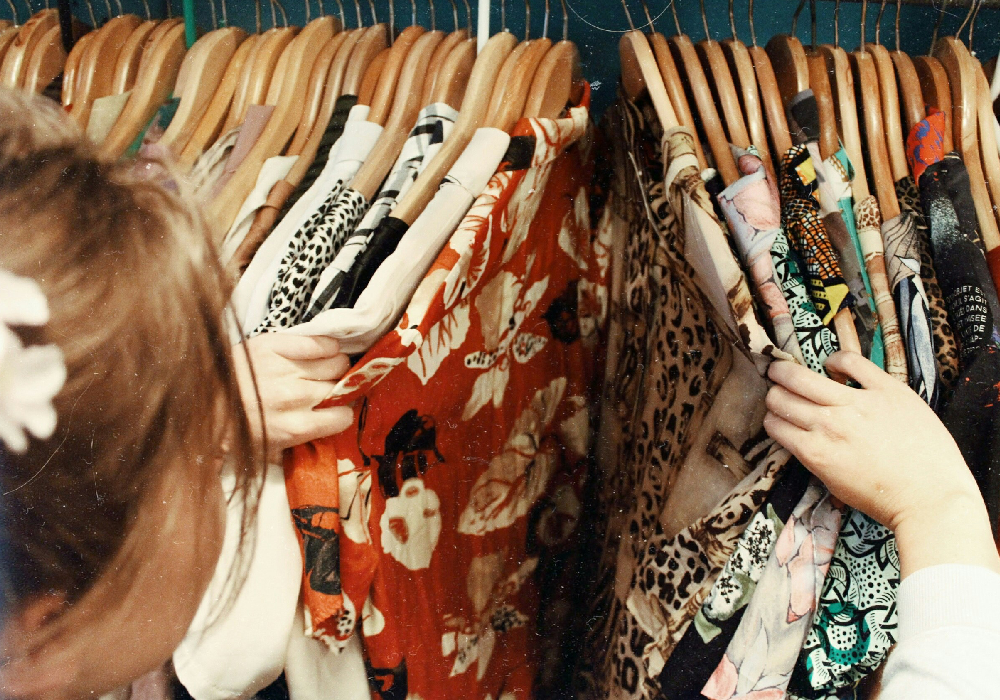
Thrifting has become a popular choice for many individuals aiming to save money while still enjoying quality products. According to America’s Research Group, around 16% to 18% of Americans make purchases at thrift shops within any given year. Shoppers are increasingly drawn to the idea of finding unique, durable items at a fraction of the original cost.
Not only does thrifting offer financial savings, but it also presents consumers with opportunities to find vintage and rare items not available in regular stores. These treasures add value to the consumer’s experience by meeting both economic and emotional needs. In doing so, thrifting effectively transforms the way people shop, equating savings with the excitement of discovery.
Moreover, the practice of thrifting promotes environmental sustainability by reducing waste. It aligns with a growing consciousness towards minimizing our ecological footprint. This environmentally friendly aspect makes thrifting an appealing lifestyle choice for a segment of eco-aware consumers.
The Significance of Renting
Renting services, particularly in the furniture industry, offer another dimension of flexibility and affordability. According to Future Market Insights, the furniture rental market was valued at USD 13.2 billion in 2025, and it’s anticipated to grow at an 8.4% CAGR from 2025 to 2035 due to increasing demand. Such services provide immediate access to high-quality, stylish furniture without the long-term financial commitment of owning.
Consumers, especially in urban areas, find renting to be a practical solution that adapts to their transient lifestyles. Renting enables them to enjoy modern amenities without the burden of ownership and the depreciation costs associated with it. The ability to alter decor and furniture styles more frequently contributes to personal satisfaction and efficient use of money.
Furthermore, renting provides a buffer against economic uncertainties, allowing people to conserve cash for other priorities. This approach encourages more mindful spending, focusing on experiences and growth rather than accumulating possessions. Consequently, renting supports both financial dexterity and an improved quality of life.
Jewelry and Personal Finance
Pawn shops represent another sector where people seek affordability through alternative shopping channels. According to a study by WifiTalents, 50% of the clients at pawn shops purchase jewelry for personal enjoyment rather than investment purposes. This trend highlights a shift in consumer attitudes towards balancing personal indulgence and money management.
The purchase of pre-owned jewelry at pawn shops allows consumers to access luxurious items for less, making it a cost-effective option for self-expression and gift-giving. Jewelry tends to hold its value over time, offering potential for resale if financial circumstances change. Thus, it acts both as an adornment and a backstop against immediate financial needs.
Additionally, engaging in transactions at pawn shops can cater to a wide range of budgets, providing flexibility and instant gratification. This level of affordability allows individuals to enjoy quality possessions without incurring unnecessary debts. As such, jewelry from pawn shops becomes a strategic component of a well-rounded personal finance plan.
Thrifting and renting signify a transformative shift in consumer behavior towards practical and sustainable living. These options not only promote financial savings but also contribute to a cultural change towards embracing simplicity and reducing waste. As depicted, these trends create a positive impact on lifestyles by prioritizing experience over possession.
By integrating thrifting and renting into their lives, consumers can effectively stretch their money, leading to greater financial security and resourcefulness. As these practices continue to evolve, they promise to enhance economic resilience for individuals and communities alike. Therefore, it’s evident that thrifting and renting represent crucial strategies in navigating the evolving economic landscape.
The shift towards thrifting and renting marks a conscientious effort to adapt to modern economic pressures without sacrificing quality of life. As society progresses, these trends are expected to further influence spending habits and define future standards of affordability. Embracing these practices not only saves money but also fosters a sustainable, innovative future.
