

Table of Contents
Hearing aids are invaluable tools for those with hearing loss, but proper care and maintenance are essential for their longevity and effectiveness. Users often seek solutions for discomfort or irritation caused by their devices, leading to questions about what products can be safely used with them. One common query is, “Can I use Neosporin in my hearing aid domes?” In this article, we’ll explore the implications of using Neosporin in hearing aid domes, the nature of hearing aid domes, and safer alternatives for maintaining ear health.
What Are Hearing Aid Domes?
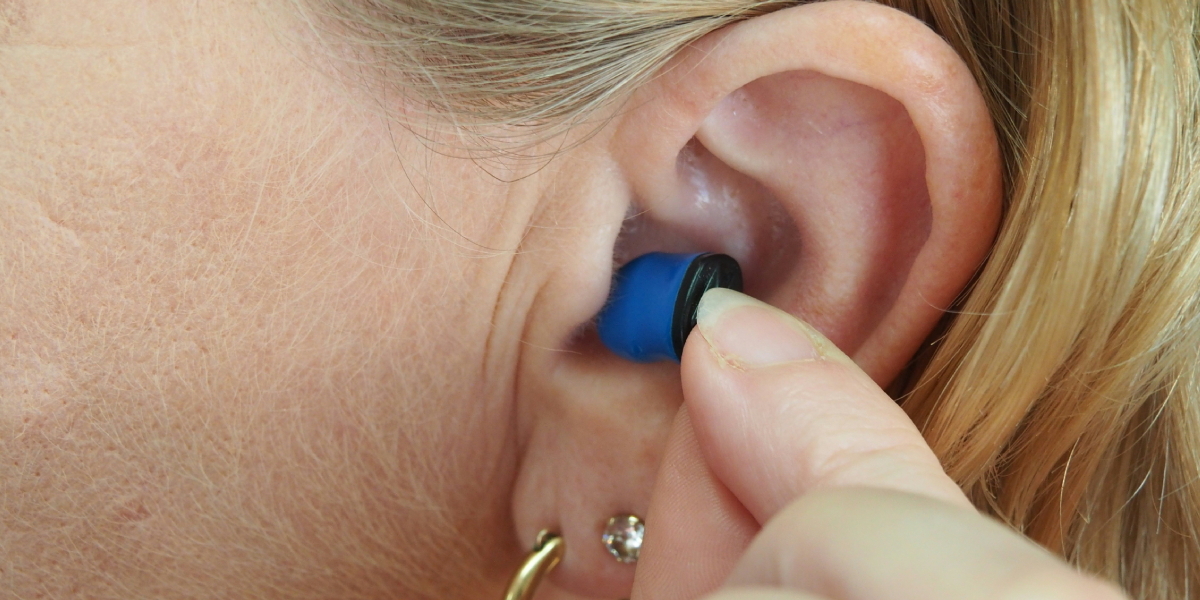
Hearing aid domes are small silicone or rubber tips attached to the end of hearing aids that fit into the ear canal. They serve several purposes:
- Comfort: Domes provide a snug fit, making the hearing aid more comfortable to wear.
- Sound Quality: They help direct sound from the hearing aid into the ear canal effectively, enhancing auditory clarity.
- Sealing: Domes help to create a seal that minimizes feedback and allows for better sound transmission.
Given their importance, proper care of hearing aid domes is crucial to ensure both the comfort of the user and the functionality of the device.
Can I Put Neosporin in My Hearing Aid Domes?
Using Neosporin, a popular topical antibiotic ointment, may seem like a straightforward solution for discomfort or minor skin irritations in the ear. However, there are several reasons to avoid using Neosporin in hearing aid domes:
Risk of Clogging the Domes
One primary concern is that applying Neosporin can lead to the clogging of hearing aid domes. The thick, greasy consistency of the ointment can accumulate in the small openings of the domes, impairing sound quality and potentially leading to malfunctions. Hearing aids rely on clear pathways for sound transmission, and any blockage can hinder performance.
Potential Damage to Hearing Aids
Neosporin contains ingredients that may not be compatible with hearing aid materials. The oil-based components can degrade the silicone or rubber of the domes, leading to premature wear or damage. This can result in costly repairs or replacements, making it a risky choice for users looking for relief.
Increased Risk of Bacterial Growth
Ironically, while Neosporin is designed to combat bacteria, applying it in a warm, moist environment like the ear canal can create an environment conducive to bacterial growth. If the ointment traps moisture, it can lead to infections or exacerbate existing ear issues, counteracting the very benefits users hope to achieve.
Irritation or Allergic Reactions
Some individuals may experience skin irritation or allergic reactions to the ingredients in Neosporin. Applying it directly in the ear can cause discomfort, redness, or itching, worsening any existing irritation. Given the sensitivity of the ear canal, it is crucial to use only safe and approved products.
Safe Alternatives to Neosporin for Hearing Aid Users
Instead of using Neosporin in hearing aid domes, there are several safer alternatives and practices to consider:
Consult an Audiologist
If you’re experiencing discomfort or irritation from your hearing aids, the first step should be to consult an audiologist. They can assess the situation, recommend appropriate products, and provide guidance tailored to your specific needs. Professional advice is crucial for addressing any underlying issues.
Keep Hearing Aids Clean
Regular cleaning of hearing aids and domes is vital for preventing irritation and infection. Here are some cleaning tips:
- Daily Cleaning: Wipe the domes with a soft, dry cloth daily to remove earwax and moisture.
- Weekly Deep Cleaning: Soak the domes in a gentle soap solution once a week, then rinse thoroughly and allow them to dry completely before reattaching them to the hearing aids.
Use Ear Drops for Dryness or Irritation
If dryness or irritation is a concern, consider using over-the-counter ear drops specifically designed to soothe the ear canal. Look for products that are gentle and suitable for regular use. Always follow the manufacturer’s instructions and consult a healthcare professional if unsure.
Consider a Hearing Aid Dome Cover
For additional protection, consider using hearing aid dome covers. These disposable covers fit over the domes and can provide a barrier against moisture and bacteria while still allowing sound to pass through. They are an effective way to maintain hygiene and comfort without compromising the hearing aid’s function.
Treat Ear Infections Properly
If you suspect an ear infection, seek medical attention promptly. Using Neosporin or any other home remedy without a proper diagnosis can lead to complications. A healthcare provider can prescribe appropriate treatments to address infections effectively and safely.
Conclusion
In summary, while it may be tempting to use Neosporin for discomfort associated with hearing aid domes, the risks outweigh any potential benefits. Issues such as clogging, damage to the devices, increased bacterial growth, and the possibility of irritation make it inadvisable. Instead, consider safer alternatives and consult with healthcare professionals to ensure proper care of your hearing aids and ear health. Remember, your hearing aids are vital tools, and maintaining them properly will enhance your overall hearing experience.
FAQs
1. Can I use any ointment in my hearing aid domes?
It’s best to avoid using ointments or creams in hearing aid domes. Instead, consult your audiologist for safe alternatives.
2. How often should I clean my hearing aid domes?
You should clean your hearing aid domes daily to prevent buildup of earwax and moisture. A deeper clean can be performed weekly.
3. What should I do if I suspect an ear infection?
Seek medical attention promptly. A healthcare provider can diagnose and prescribe appropriate treatment for ear infections.
4. Are there specific ear drops recommended for hearing aid users?
Look for over-the-counter ear drops specifically designed for soothing the ear canal. Always consult with a healthcare professional if you have concerns.
5. What are the signs that I need to replace my hearing aid domes?
If you notice cracks, discoloration, or persistent discomfort, it may be time to replace your hearing aid domes. Regular checks can help maintain optimal performance.
