

Table of Contents
Orthodontic treatment has changed considerably over the years, giving patients more choices when addressing crowded teeth, spacing concerns, and bite alignment. Traditional braces remain an effective option for many people, but clear aligner systems have also become popular among teens and adults who want a less noticeable approach. Understanding the differences between treatment options can help families make decisions that fit their dental needs and daily routines.
How Clear Aligners Move Teeth
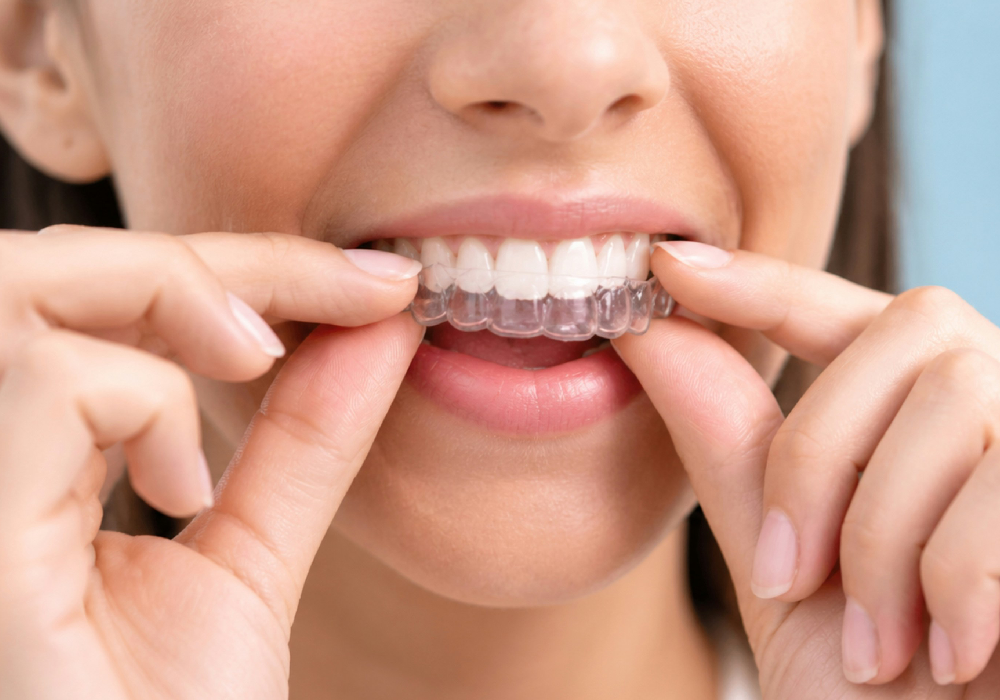
Clear aligner treatment uses a series of custom-made trays designed to apply controlled pressure to specific teeth. Each set is worn according to the treatment plan before moving on to the next set. Over time, these small adjustments can improve tooth positioning and help address certain alignment concerns.
One reason patients consider Invisalign is its removable design. Unlike traditional brackets and wires, aligners can generally be taken out for meals, brushing, and flossing. This can make some aspects of daily oral hygiene easier, although patients still need to wear the trays for the amount of time recommended by their provider.
The treatment process begins with an evaluation to determine whether clear aligners are appropriate. A dental professional may examine the bite, take digital scans or impressions, and develop a plan based on the movements needed. Not every orthodontic concern can be addressed with aligners, so a consultation is important before choosing a treatment method.
Why Consistency Matters With Removable Appliances
The convenience of removable aligners also comes with responsibility. Because patients can take them out, treatment depends heavily on following the recommended wear schedule. Leaving trays out for extended periods can interfere with planned tooth movement and may affect how well later aligners fit.
Patients should also clean their trays according to provider instructions. Drinking anything other than water while wearing aligners may stain them or expose teeth to sugars and acids. Before eating, trays should generally be removed, and teeth should be cleaned before putting them back in.
Keeping the aligners in their case when they are not being worn can help prevent accidental damage or loss. Wrapping them in a napkin during meals may seem convenient, but it can make them easy to throw away or misplace.
Traditional Braces Still Have an Important Role
Clear aligners are not the only option for improving tooth alignment. Traditional braces use brackets and wires to guide teeth into their intended positions. They may be recommended for patients with more complex alignment or bite concerns, or for those who may have difficulty following a removable treatment schedule.
For children and teenagers, kids braces may be part of a treatment plan designed around jaw development, permanent tooth eruption, and the way the upper and lower teeth fit together. The timing of orthodontic treatment varies, and not every child needs braces at the same age.
Braces require consistent care because food particles can collect around brackets and wires. Patients need to brush carefully, clean between teeth, and follow instructions about foods that could damage the appliance. Regular adjustment appointments allow the provider to monitor progress and make changes as needed.
Comparing Treatment Choices for Different Ages
The best orthodontic option depends on more than appearance. Age, tooth development, the severity of alignment concerns, oral hygiene habits, and the ability to follow instructions all matter. Some patients may be good candidates for clear aligners, while others may benefit from the control offered by fixed braces.
Parents should discuss treatment goals and timing with an orthodontic provider before making a decision for a child. Adults should also consider how treatment fits into work, travel, meals, and other daily responsibilities. Asking about expected treatment duration, appointment frequency, maintenance, and total cost can help set realistic expectations.
Maintaining Results After Orthodontic Treatment
Completing active treatment does not mean teeth will remain in their new positions without additional care. Teeth can shift over time, which is why retainers are commonly recommended after braces or aligner treatment. Patients should follow their provider’s instructions about how often to wear a retainer and how to keep it clean.
Orthodontic treatment is a process that requires cooperation between the patient and dental team. Whether someone chooses removable aligners or traditional braces, consistent care and regular appointments help support progress. A personalized evaluation is the best way to identify an approach that addresses both dental needs and everyday preferences.
