


Table of Contents
Protein is one of the most important nutrients for maintaining good health. It supports muscle growth, helps repair body tissues, strengthens immunity, and plays an important role in producing hormones and enzymes. While many people believe that protein mainly comes from meat, fish, and eggs, a well-planned vegetarian diet can provide enough protein through a wide range of plant-based and dairy foods. So here we have shared the Protein Sources for Vegetarians.
In recent years, more people have started focusing on vegetarian protein sources because of health goals, fitness requirements, environmental concerns, or personal food choices. The good news is that vegetarians have plenty of options, from traditional Indian foods like dal and paneer to modern choices like tofu, quinoa, and plant-based protein products.
The important thing is to understand which foods are rich in protein and how to include them regularly in your meals.
How Much Protein Your Body Need?
Protein requirements vary from person to person. Your age, body weight, physical activity level, and fitness goals determine how much protein you need every day.
For a healthy adult with a normal lifestyle, approximately 0.8–1 gram of protein per kilogram of body weight is generally considered sufficient. However, people who exercise regularly, want to build muscle, or are recovering from illness may need more.
For example, a person weighing 60 kg may require around 50–60 grams of protein daily for general health, while someone involved in strength training may need considerably more.
Many vegetarian diets naturally contain protein, but the challenge is that people often consume meals focused mainly on carbohydrates such as rice, roti, bread, and potatoes. Adding a good protein source to every major meal can help create a more balanced diet.
The following table gives a general idea:
| Category | Approximate Protein Requirement |
|---|---|
| Average healthy adult | 0.8–1 gram per kg body weight |
| Regular gym-goer or athlete | 1.2–1.6 grams per kg body weight |
| Muscle-building goals | 1.6–2.2 grams per kg body weight |
| Older adults | Around 1–1.2 grams per kg body weight |
Why Protein Is Important for Vegetarians
Protein is often associated with bodybuilding, but its role goes far beyond muscle development. Every cell in the human body requires protein to function properly.
A sufficient protein intake helps maintain muscle mass, especially as people age. It also supports faster recovery after workouts, helps keep you full for longer periods, and can make weight management easier by reducing unnecessary snacking.
Protein also contributes to healthy skin, hair, and nails because these tissues are largely made up of protein-based structures.
Best Protein Sources for Vegetarians
1. Lentils (Dal): The Traditional Protein Source
Lentils are one of the most common and affordable protein sources in vegetarian diets. In India, different types of dal have been part of daily meals for generations, and they provide a combination of protein, fiber, iron, and other essential nutrients.
Moong dal, masoor dal, toor dal, and chana dal are all good options. A bowl of dal with rice or roti creates a balanced meal because it combines protein with carbohydrates.
The protein content varies depending on the type of lentil:
| Type of Dal | Protein Content (Approx. per 100g cooked) |
|---|---|
| Masoor dal | 9 grams |
| Moong dal | 7 grams |
| Toor dal | 8 grams |
| Chana dal | 8–9 grams |
Including different types of lentils throughout the week can improve nutritional variety and prevent meals from becoming repetitive.
2. Soy Products: A Complete Plant Protein
Soy is considered one of the best vegetarian protein sources because it contains all nine essential amino acids required by the body. This makes soy different from many other plant proteins.
Soy products are especially useful for vegetarians who need higher protein intake for fitness or muscle-building goals.
Common soy-based foods include tofu, soy chunks, soy milk, and tempeh.
| Soy Food | Approximate Protein Content |
|---|---|
| Soy chunks (100g dry) | 50–52 grams |
| Tofu (100g) | 8–15 grams |
| Soy milk (250 ml) | 7–8 grams |
| Edamame (100g cooked) | 11 grams |
Soy chunks are particularly popular in India because they are inexpensive, easy to cook, and contain a very high amount of protein. They can be added to curries, pulao, sandwiches, and salads.
3. Paneer: A High-Quality Dairy Protein
Paneer is one of the most popular vegetarian protein foods, especially in Indian households. It provides high-quality protein along with calcium, which is important for maintaining strong bones.
Around 100 grams of paneer generally provides 18–20 grams of protein. It can be included in meals through dishes such as paneer curry, grilled paneer, salads, or sandwiches.
However, paneer also contains fat and calories, so people who are trying to lose weight should pay attention to portion sizes and cooking methods.
Low-fat paneer can be a useful option for those who want more protein with fewer calories.
4. Milk, Curd, and Greek Yogurt
Dairy products can make it easier for vegetarians to meet their daily protein requirements. Milk and curd are simple foods that can be included regularly, while Greek yogurt offers a higher protein concentration compared to regular yogurt.
| Dairy Product | Protein Content (Approx.) |
|---|---|
| Milk (250 ml) | 8 grams |
| Regular curd (100g) | 3–4 grams |
| Greek yogurt (100g) | 8–10 grams |
| Paneer (100g) | 18–20 grams |
Greek yogurt is a convenient snack option and can be combined with fruits, nuts, or seeds for a more nutritious meal.
5. Chickpeas, Rajma, and Other Beans
Beans and legumes are excellent vegetarian protein sources that also provide plenty of fiber. Foods like chole, rajma, black beans, and lobia are filling and nutritious additions to a vegetarian diet.
They are especially useful because they provide slow-digesting carbohydrates along with protein, helping maintain energy levels for longer.
A traditional meal like rajma with rice or chole with roti is a good example of combining protein with other essential nutrients.
6. Nuts and Seeds for Additional Protein
Nuts and seeds may not replace major protein sources like lentils or soy, but they are valuable additions because they provide protein, healthy fats, minerals, and antioxidants.
Almonds, peanuts, pumpkin seeds, sunflower seeds, chia seeds, and flax seeds can easily be added to everyday meals.
For example, adding a spoonful of seeds to oatmeal or yogurt can increase the nutritional value of a simple breakfast.
| Nuts and Seeds | Protein Content (Approx. per 30g) |
|---|---|
| Pumpkin seeds | 8–9 grams |
| Peanuts | 7–8 grams |
| Almonds | 6 grams |
| Chia seeds | 5 grams |
7. Quinoa: A Protein-Rich Alternative to Rice
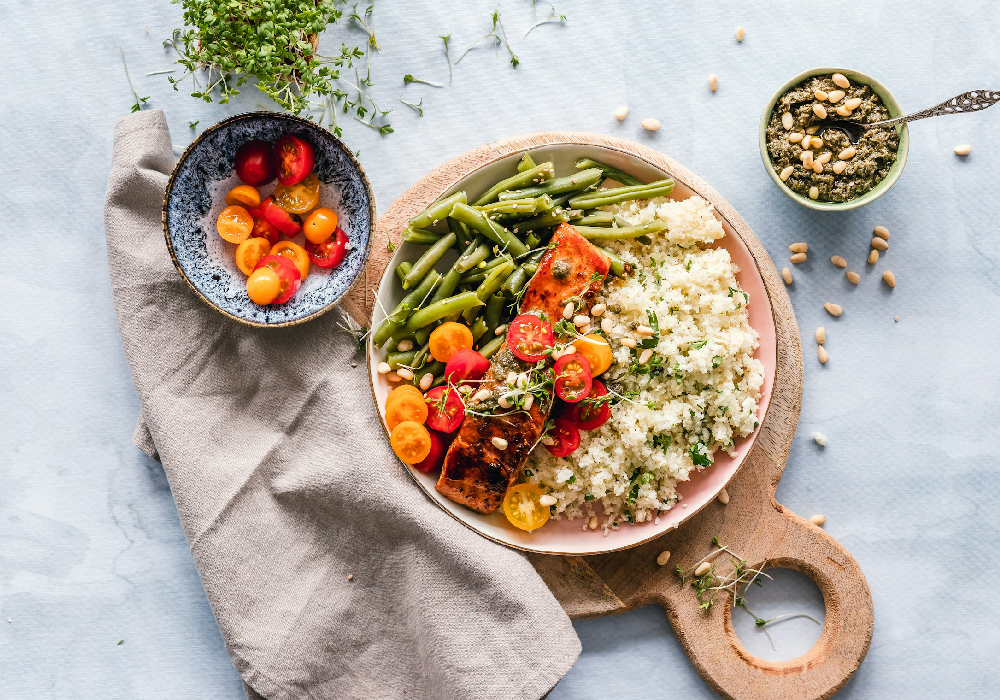
Quinoa has become popular among health-conscious people because it provides protein along with fiber and minerals. Unlike many plant foods, quinoa contains all essential amino acids.
One cup of cooked quinoa provides around 8 grams of protein. It can be used instead of rice, added to salads, or included in healthy meal bowls.
Although quinoa is nutritious, it does not need to replace traditional foods completely. Indian staples like dal, beans, and millets can also provide excellent nutrition.
How Vegetarians Can Increase Protein Intake Naturally
Increasing protein intake does not require expensive foods or complicated recipes. Small changes in everyday meals can make a significant difference.
Instead of having only tea and bread for breakfast, you can choose options like besan chilla with curd, sprouts, or a paneer-based dish. Lunch and dinner can include dal, beans, tofu, paneer, or soy products along with regular vegetables and grains.
A balanced vegetarian meal usually works best when it includes a combination of protein, carbohydrates, healthy fats, and vegetables.
Sample High-Protein Vegetarian Meal Plan
| Meal | Example Protein-Rich Options |
|---|---|
| Breakfast | Besan chilla with curd, sprouts, Greek yogurt with nuts |
| Lunch | Dal with rice, rajma with roti, chole salad |
| Evening Snack | Roasted chana, peanuts, yogurt, smoothie |
| Dinner | Paneer curry, tofu stir-fry, soy chunk dishes |
Do Vegetarians Need Protein Supplements?
Protein supplements are not compulsory for vegetarians. Many people can easily meet their protein needs through normal food if their diet is properly planned.
However, protein powders can be useful for certain situations, such as people with very high protein requirements, athletes, or those who find it difficult to prepare protein-rich meals regularly.
Plant-based protein powders made from sources like soy, pea, and rice protein are available for people who prefer non-dairy options.
A supplement should be considered as a convenience, not a replacement for a balanced diet.
Common Mistakes Vegetarians Make About Protein
One common mistake is assuming that eating vegetables alone provides enough protein. While vegetables contain many vitamins and minerals, most are not high-protein foods. Vegetarians should regularly include protein-rich foods such as lentils, beans, soy, dairy, nuts, and seeds.
Another mistake is depending only on one protein source. Eating only paneer, only dal, or only soy products may limit nutritional variety. A combination of different foods provides a better balance of nutrients.
It is also important to remember that protein intake should match your lifestyle. Someone who exercises regularly will usually need more protein than someone with a sedentary routine.
Final Thoughts
A vegetarian diet can easily provide sufficient protein when planned properly. Foods like lentils, soy products, paneer, dairy, beans, nuts, seeds, and quinoa offer excellent ways to meet daily protein requirements.
The key is consistency and variety. Instead of searching for one perfect protein food, focus on building balanced meals that include different protein sources throughout the day.
With the right choices, a vegetarian diet can support muscle growth, fitness goals, weight management, and overall health while remaining enjoyable and diverse.
