

Vision is one of the most vital senses humans possess, shaping how we perceive and interact with the world around us. From admiring a beautiful sunset to reading a book or driving a car, our eyes play a crucial role in almost every aspect of our daily lives. However, maintaining optimal eye health requires more than just recognizing the importance of clear vision. Regular eye examinations conducted by qualified eye doctors are essential for ensuring the well-being of our eyes and overall visual function.
In this comprehensive guide, we delve into the significance of vision care and the role of eye doctors in safeguarding our ocular health. From understanding common eye conditions to exploring preventive measures and the latest advancements in vision correction, this article aims to empower readers with the knowledge they need to take proactive steps towards maintaining healthy eyesight.
- The Importance of Eye Health:
- Vision as a Vital Sense: Discuss the significance of vision in daily life and its impact on overall well-being and quality of life.
- Prevalence of Vision Problems: Highlight common vision issues such as myopia, hyperopia, astigmatism, presbyopia, and eye diseases like glaucoma, cataracts, and macular degeneration.
- Economic and Social Impact: Explore the broader implications of untreated vision problems, including productivity loss, healthcare costs, and the social stigma associated with vision impairment.
- Understanding the Role of an Eye Doctor:
- Who is an Optometrist? Explain the role of optometrists in primary eye care, including conducting comprehensive eye examinations, prescribing corrective lenses, and diagnosing common eye conditions.
- Ophthalmologists: Define the role of ophthalmologists as medical doctors specializing in eye and vision care, capable of performing surgeries, treating eye diseases, and providing advanced care for complex ocular conditions.
- Opticians: Describe the role of opticians in fitting and dispensing eyeglasses and contact lenses based on prescriptions provided by optometrists or ophthalmologists.
- The Eye Examination Process:
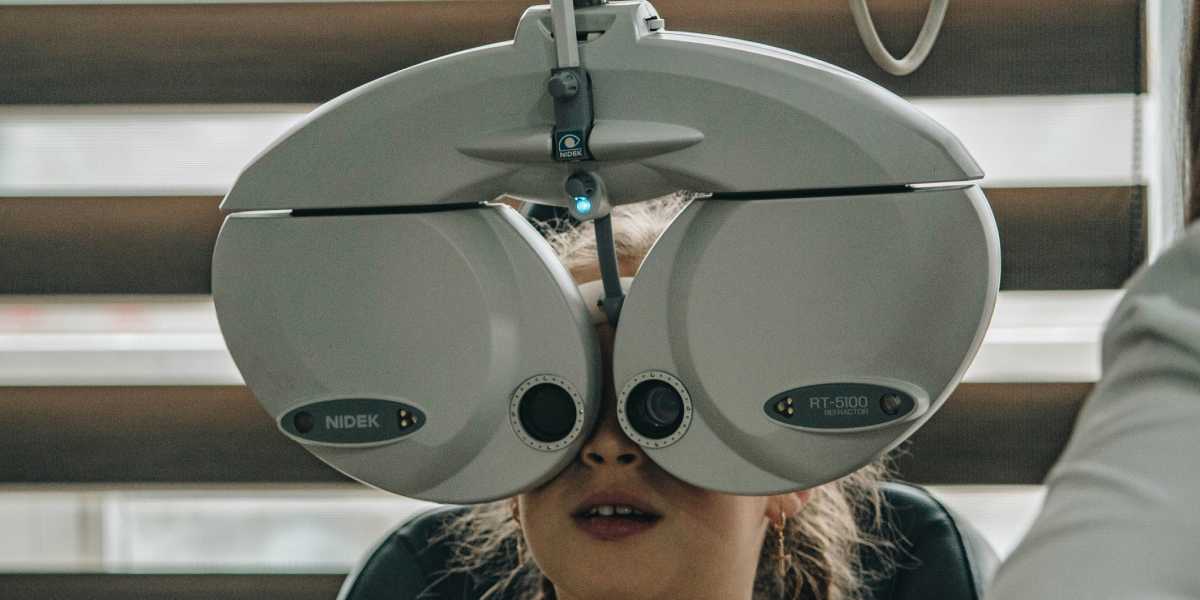
- Comprehensive Eye Exam: Detail the components of a thorough eye examination, including visual acuity testing, refraction assessment, eye muscle function evaluation, pupil response tests, and examination of the external and internal structures of the eye.
- Importance of Regular Eye Check-ups: Emphasize the significance of periodic eye exams in detecting vision problems early, preventing eye diseases, and maintaining optimal eye health throughout life.
- Common Eye Conditions and Treatments:
- Refractive Errors: Discuss myopia, hyperopia, astigmatism, and presbyopia, their causes, symptoms, and treatment options such as eyeglasses, contact lenses, and refractive surgery (LASIK, PRK, etc.).
- Eye Diseases: Provide an overview of common eye diseases like glaucoma, cataracts, macular degeneration, diabetic retinopathy, and dry eye syndrome, including risk factors, symptoms, and available treatments.
- Pediatric Eye Care: Address the importance of early detection and treatment of vision problems in children, including amblyopia (lazy eye), strabismus (crossed eyes), and developmental disorders affecting visual function.
- Preventive Measures for Eye Health:
- Lifestyle Factors: Discuss the impact of nutrition, exercise, sleep, and smoking on eye health, emphasizing the importance of a balanced lifestyle for maintaining optimal vision.
- Eye Safety: Educate readers about the significance of eye protection in preventing injuries during sports, recreational activities, and hazardous occupations.
- Screen Time and Digital Eye Strain: Address the growing concern over prolonged screen exposure and its potential effects on eye health, offering practical tips for reducing digital eye strain and promoting healthy screen habits.
- Advancements in Vision Correction:
- Innovations in Eyewear: Explore the latest developments in eyeglass lenses, frames, and contact lens materials aimed at enhancing comfort, clarity, and aesthetics.
- Surgical Options: Highlight advancements in refractive surgery techniques, including custom wavefront-guided procedures, implantable collamer lenses (ICL), and femtosecond laser-assisted cataract surgery, offering improved safety and precision.
- Emerging Technologies: Discuss promising technologies such as corneal cross-linking for keratoconus, gene therapy for inherited retinal diseases, and artificial intelligence applications in diagnosing and managing eye conditions.
Conclusion:
In conclusion, prioritizing eye health and seeking regular care from qualified eye doctors are essential steps towards preserving clear vision and preventing vision problems. By understanding the significance of comprehensive eye examinations, recognizing common eye conditions, and embracing preventive measures, individuals can take proactive control of their ocular health and enjoy a lifetime of optimal vision. Remember, your vision matters – so schedule that eye appointment today and embark on the journey towards healthier eyesight.
