

Table of Contents
Everyone has made a cooking mistake at one point or another. Even celebrity chefs walk away with eggs on their faces on occasion.
If you’re a beginner when it comes to getting your hands dirty in the kitchen, you’re bound to make some gaffes in the process. Avoiding these common errors is the best way to turn out fantastic meals on a regular basis.
Ready to upgrade your skills in the kitchen? Keep reading to learn about the most common beginner dinner cooking mistakes you should try to avoid!
1. Failing to Follow Instructions
One of the beginner dinner cooking mistakes people fail to follow instructions. It’s very important to read the recipe thoroughly before beginning to cook. Many times, people rush through the process by skipping the instruction steps, resulting in lower-quality dishes. Reading the instructions can provide a great head start.
It can help you choose the right ingredients and supplies and give you a better understanding of the techniques required. To improve your ability to follow instructions, try breaking down the steps into manageable parts and gather all the dinner cooking supplies beforehand.
2. Overcrowding the Pan
Cooking can be satisfying and rewarding when done correctly, but mistakes can lead to frustration. One of the most common beginner dinner cooking mistakes is overcrowding the pan. When there is too much food in the pan, it does not cook efficiently and evenly. Instead, the food gets steamed and won’t brown.
To avoid overcrowding the pan, divide your ingredients into batches and cook them in small batches, allowing enough space between the ingredients and the popular dinner sides of the pan. This will help the food cook in its own juices while achieving that tasty, browned look. You should also use the right size pan and avoid using a pan that’s too small as it will cause overcrowding.
3. Not Allowing Proper Cooking Time
One of the biggest beginner dinner cooking mistakes is not allowing for proper cooking times. Many recipes call for a certain minimum cooking time for properly cooked results. This time is important, as allowing food to cook for the suggested time allows for flavors to fully develop and for the food to be thoroughly cooked.
If food is not cooked for a set amount of time, it will likely be undercooked and not come out the way it should. To avoid this mistake, make sure to read the recipe you’re cooking thoroughly and follow the suggested cooking times. Set a timer for each food you’re cooking so that you can keep track of cooking times.
4. Adding Too Much Seasoning
One of the most common beginner dinner cooking mistakes is adding too much seasoning. Allowing flavors to be too intense can ruin the entire dish and deter diners from enjoying their meal. To avoid over-seasoning and ruining your dinner, start off with a lesser amount of the desired seasoning. You can always add more.
If adding dried herbs and spices, begin with 1/2 teaspoon and add more as needed. Adding a pinch of salt or a sprinkling of pepper also won’t overpower food. It’s best to hold off on salting until the end of cooking, as this allows you to truly judge the right amount of seasoning.
5. Not Preheating the Oven
Another common dinner cooking mistake beginner chefs make is not preheating the oven. Preheating the oven is essential in achieving a successful dinner. If the oven is not preheated, food might not be cooked thoroughly and will not have the right texture or flavor.
Preheating the oven ensures that dinner is cooked properly, evenly, and consistently. To avoid this mistake and have the best end result, it’s important to always preheat the oven before putting dinner in the oven. To preheat the oven, adjust the temperature to what is required in the recipe and allow the oven to heat up for at least 15-20 minutes before placing it in the dinner.
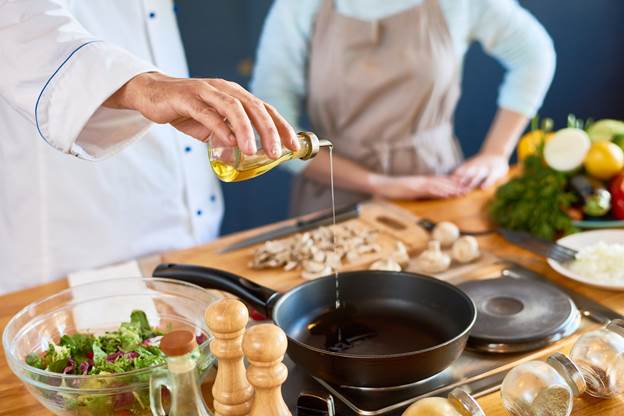
6. Overcooking Grease and Oil
One mistake beginner dinner cooks make is overcooking their grease and oil. When oil is heated to a high temperature, it starts to smoke, which can cause a lot of damage to the food. Too much grease or oil can also create an unappetizing greasy texture.
To avoid overcooking grease and oil, make sure to use the recommended temperature for your recipe and pay close attention to how the oil behaves during cooking. If it starts to smoke, immediately turn down the heat and remove food from the heat. Use a smaller amount of grease or oil to minimize the risk of overcooking, and also make sure to pay close attention to the food while it’s cooking.
7. Adding Too Much Salt
Too much salt will render food inedible and unappetizing. To avoid this mistake, start by measuring out salt, taste the food in progress, and adjust the seasoning as needed.
Start very small and conservatively, as it’s easy to add more salt in successive batches but difficult to reduce the salt once it’s been added. If the recipe does not specify a salt measurement, start small, taste, and adjust as needed. Additionally, make sure to use a silicon or rubber-coated spoon when measuring out salt to avoid clumping.
8. Not Having the Right Utensils and Equipment
When starting out in the kitchen, it can be hard to know what kinds of tools you need. Pay attention to the types of ingredients and dishes you’ll be preparing to develop the right inventory.
A few bare essentials you should have to include sturdy knives, cutting boards, pots, pans, measuring cups, and spoons. Many dishes also require specialty items like zesters, graters, sieves, and colanders.
9. Not Knowing Your Cooking Times and Temperatures
Beginner dinner cooking mistakes involving not knowing your cooking times and temperatures can result in spoiled food, foodborne illnesses, and wasted resources. To avoid these mistakes, learn the general timelines for various components of your dinner.
For example, roasting chicken usually takes 45 minutes to 1 hour to cook through – depending on the weight. Additionally, it is important to know the appropriate cooking temperatures for safety. Most meats should be cooked to an internal temperature of 165°F, whereas ground beef should reach 160°F.
10. Not Prepping and Organizing Ingredients in Advance
Many beginner cooks make the mistake of not prepping and organizing their ingredients in advance. This can lead to feelings of frustration, confusion, and wasted time. To avoid this mistake, assemble all the ingredients before you begin cooking.
Measure out and prepare all of the ingredients according to the recipe. For example, chopping veggies, measuring out liquids and spices, etc. Taking the extra time in the beginning will help you stay organized and on track while cooking. Additionally, as you are preparing ingredients, read through the recipe in its entirety to avoid missing any steps or adding ingredients out of order.
11. Making Too Many Changes to a Recipe
Making too many changes to a recipe can be a common mistake for beginner dinner cooks. Making modifications to create something new or to suit your tastes is natural, but doing so in excess can lead to disastrous results.
When first starting to cook, it is best to follow the recipe to the best of your abilities and to stay within the guidelines. For minor tweaks, start with small changes, like swapping out certain ingredients or adding a few of your favorite herbs. If you enjoy experimenting, try out a single variable at a time to see how it works, and do not try several modifications in the same batch.
12. Ignoring Measurements and Recipes
Beginner dinner cooking mistakes oftentimes include overlooking measurements and recipes. This can result in meals that are either too salty, too sweet, or just plain inedible. To avoid making these mistakes, it is essential for novice chefs to pay attention to the recipes and measurements given.
They should also double-check to make sure they understand the instructions so they are not adding too many of the wrong ingredients. Taking the time to pay attention and see these delicious Turkish dishes for the measurements can help new cooks avoid creating mealtime disasters.
Avoid Beginner Dinner Cooking Mistakes
There are several challenges of beginner dinner cooking mistakes. The good news is, avoiding them is easy, so long as you go into the kitchen with knowledge and follow basic safety and hygiene protocols.
Through careful meal planning and good practice, you can have a more confident and experienced dinner with your family.
Did you find this article informative? Check out the rest of our blog for more!
