

Table of Contents
The evolution of mobile technology has brought forth many advancements, and one of the key developments in recent years is the emergence of eSIMs. This innovation marks a significant shift from the traditional physical SIM cards that have been a staple in mobile devices for decades. In this blog, we’ll explore the differences between an eSIM and a physical SIM, and also delve into what an Airtel eSIM is, providing a comprehensive understanding of these two technologies.
What is a Physical SIM?
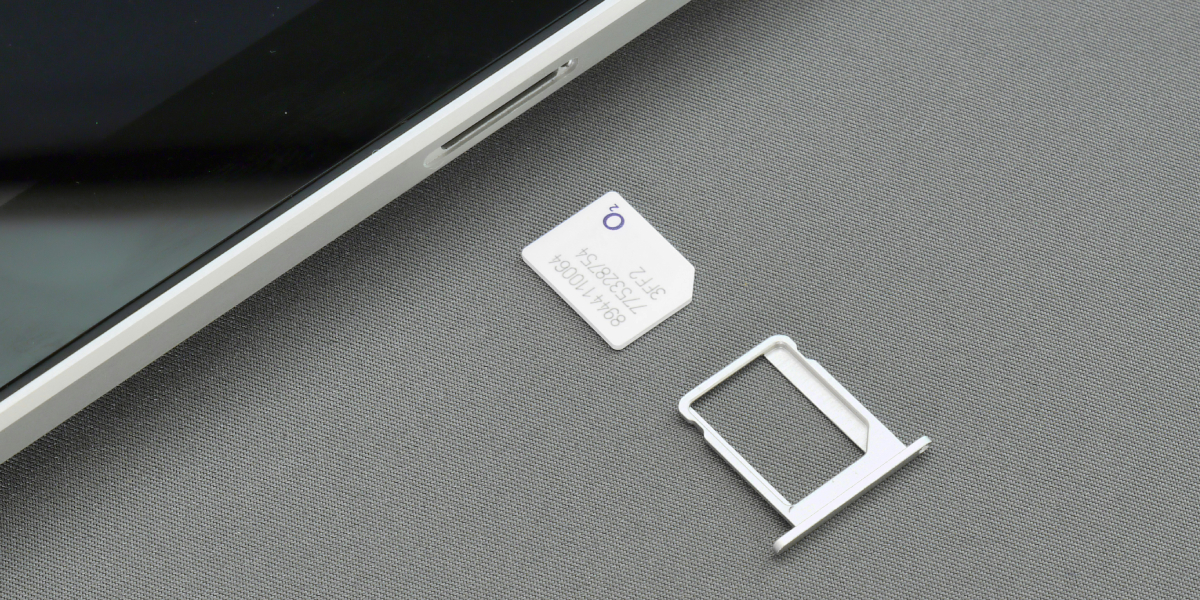
A physical SIM (Subscriber Identity Module) card is a small, removable card that stores the data needed for a device to connect to a mobile network. These cards hold your mobile number, service provider details, and some personal data. They come in various sizes – standard, micro, and nano – and must be physically inserted into a device for it to access a mobile network.
What is an eSIM?
An eSIM, or embedded SIM, is a newer technology that serves the same purpose as a physical SIM card, but with a few significant differences. It is a small chip embedded directly into a device, eliminating the need for a physical card. An eSIM cannot be removed from a device; instead, it is reprogrammed as needed to change service providers or plans.
eSIM vs. Physical SIM: The Key Differences
1. Form Factor: The most obvious difference is in their form. A physical SIM is a removable card, while an eSIM is built into the device and cannot be removed.
2. Convenience: eSIMs offer greater convenience as they can be activated digitally without the need to physically swap out a card. This feature is particularly beneficial for travellers who frequently change carriers.
3. Device Design: eSIMs allow for more compact and innovative device designs. Without the need for a SIM card slot, manufacturers have more freedom to create slimmer devices or use the space for other features.
4. Durability and Reliability: eSIMs are less prone to damage since they are embedded in the device. There’s no risk of losing or damaging the SIM during swaps, making them more reliable in the long run.
5. Environmentally Friendly: As eSIMs do not require plastic cards and packaging, they are a more environmentally sustainable option.
6. Number of Plans: Many eSIM-enabled devices allow users to store multiple plans on a single eSIM, making it easier to switch between carriers or data plans.
What is an Airtel eSIM?
Airtel eSIM is Airtel’s implementation of this technology, offering customers the benefits of eSIMs on supported devices. With an Airtel eSIM, users can activate their mobile service without needing a physical SIM card. This is particularly advantageous for users who have devices that support dual SIM functionality with one physical SIM and one eSIM.
How Does Airtel eSIM Work?
Activating an Airtel eSIM involves a simple digital process:
1. Compatibility Check: Ensure your device is eSIM compatible and supports Airtel’s network.
2. Request eSIM: Contact Airtel to request an eSIM activation. This can often be done through their website, app, or customer service.
3. QR Code Activation: Airtel will provide a QR code, which you scan with your device to download the eSIM profile.
4. Configuration: Follow the on-screen instructions to configure your eSIM.
Who Can Benefit from Airtel eSIM?
– Travelers: Those who travel frequently can benefit from an eSIM ability to easily switch between local carriers.
– Tech Enthusiasts: Individuals who enjoy using the latest technology will appreciate the advanced features that eSIMs offer.
– People with Multiple Devices: eSIMs make managing multiple devices easier, as you can have several connections without needing multiple physical SIM cards.
Conclusion
The debate about eSIM vs. physical SIM boils down to the advancements in technology and user preference. While eSIMs offer a more modern, convenient, and sustainable approach to mobile connectivity, physical SIMs are still prevalent and preferred by some due to their familiarity and simplicity. Airtel’s eSIM technology represents a step towards a more seamless and flexible mobile experience, catering to the evolving needs of modern consumers. As technology continues to evolve, eSIMs are likely to become the norm, redefining our approach to mobile connectivity.
